
Why Choose DIY Hair Masks?
Benefits over Commercial Products
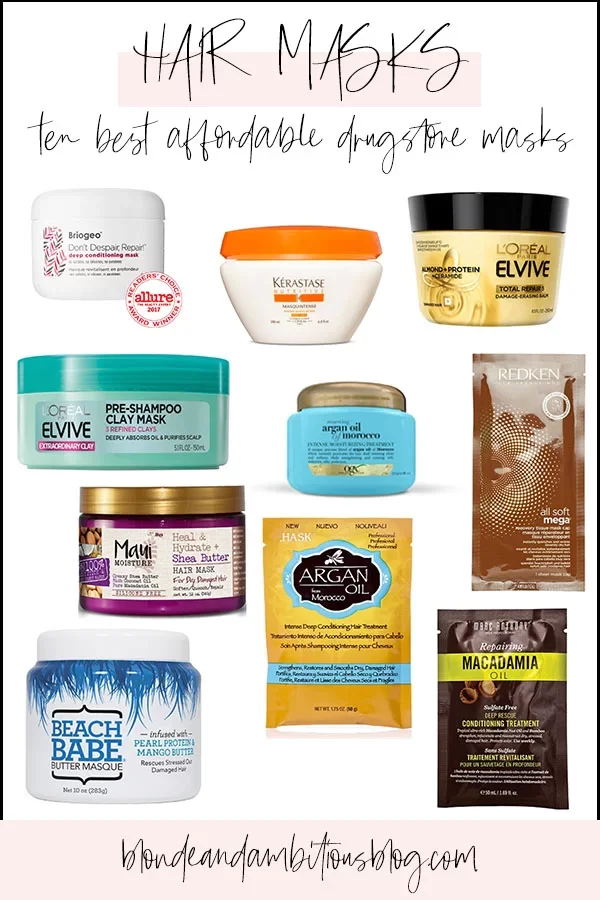
DIY hair masks have been gaining popularity, and it’s easy to see why. Unlike many commercial hair treatments loaded with chemicals and preservatives, homemade masks rely on natural ingredients that are gentle on your hair and scalp. They allow you to control exactly what goes into your hair, minimizing the risk of irritation or allergic reactions. Plus, these masks often contain real food items packed with vitamins and antioxidants, which can deeply nourish and repair damaged strands.
Cost-Effectiveness and Accessibility
Another major advantage is the affordability. High-quality hair masks from salons or stores can be pricey, especially if you need consistent treatment. On the other hand, most DIY hair mask ingredients are already in your kitchen or easy to find at local grocery stores. This keeps your hair care routine budget-friendly without sacrificing quality. Plus, making the masks yourself means you can whip them up whenever your hair needs some TLC, without waiting for a special purchase or delivery.
Key Ingredients for Repairing Damaged Hair
Natural Oils and Their Properties
Oils like coconut, olive, and avocado oil play a vital role in restoring hair health. Their molecules penetrate deep into hair shafts, replenishing lost moisture and strengthening fibers from the inside out. Coconut oil is particularly known for reducing protein loss, making hair less prone to breakage. Olive oil adds shine and smoothness, while avocado oil delivers essential fatty acids that soothe dry, flaky scalps. These oils also form a protective barrier, shielding hair from environmental damage.
Vitamins and Nutrients Essential for Hair Health
Beyond oils, ingredients rich in vitamins like E, A, and B-complex are key players in repairing damaged hair. Vitamin E acts as a powerful antioxidant, promoting scalp circulation and hair growth. Eggs bring in protein, which is the building block of hair strands, aiding in reconstruction of damaged cuticles. Natural honey is packed with vitamins and minerals while acting as a humectant, locking in moisture. Incorporating these nutrients ensures that your hair regains strength, elasticity, and vitality.
Top 5 Homemade Hair Mask Recipes
Avocado and Honey Hydration Mask
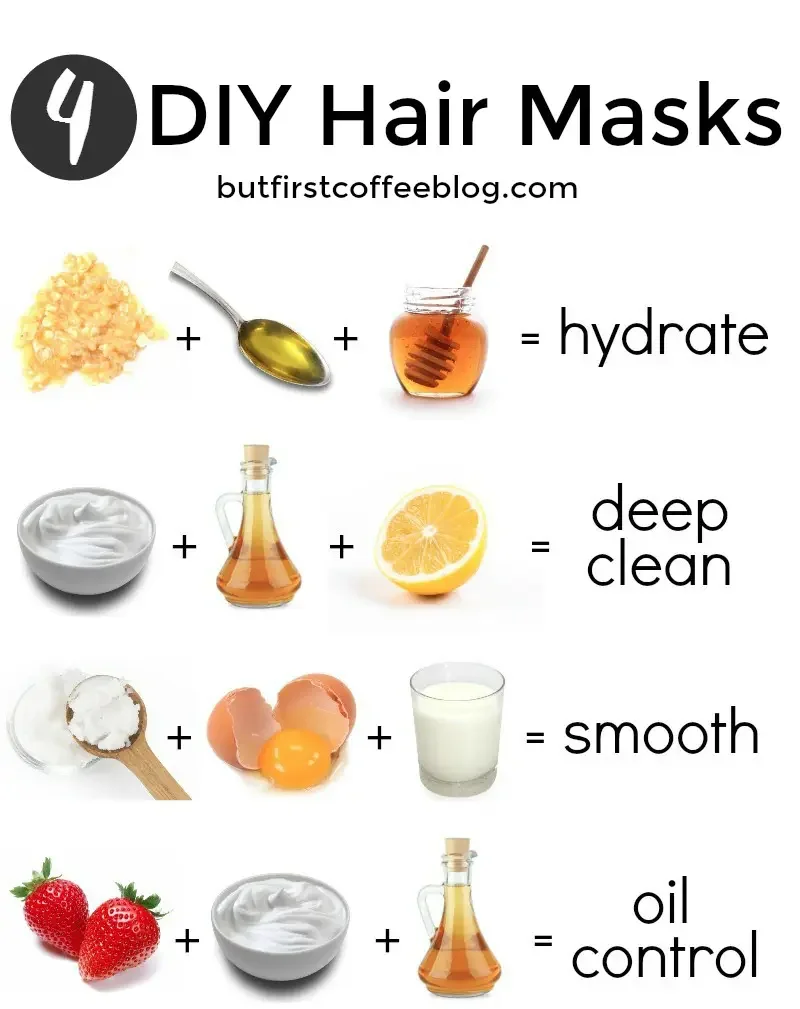
Avocado is buttery and rich, perfect for adding intense moisture to dry, brittle hair. When combined with honey, which helps retain that moisture, this mask turns dull hair into silky softness. Simply mash a ripe avocado and mix it with two tablespoons of honey. Apply generously, focusing on the ends. Leave it on for about 30 minutes before rinsing. You’ll notice your hair feeling refreshed and deeply hydrated.
Coconut Oil and Banana Strengthening Mask
Bananas provide moisturizing benefits and improve elasticity, making them excellent for strengthening fragile hair. Coconut oil adds nourishment and combats protein loss. Blend one banana with two tablespoons of coconut oil into a creamy texture. Apply thoroughly, especially on damaged sections. The natural oils restore shine and resilience, while banana’s nutrients fill in weak spots, reducing split ends.
Yogurt and Olive Oil Nourishing Mask
Yogurt is packed with proteins and lactic acid, which gently cleanse and nourish the scalp. Olive oil complements it by sealing in moisture and softening hair cuticles. Mix half a cup of plain yogurt with two tablespoons of olive oil. This mask improves scalp health while making hair manageable and less prone to frizz. Apply it evenly and leave for 20-30 minutes before washing out.
Egg and Aloe Vera Repair Mask
Eggs are protein-rich and help rebuild hair structure, while aloe vera calms inflamed scalps and hydrates strands. Whisk one egg with three tablespoons of fresh aloe vera gel. This combination offers a powerful repair boost, promoting stronger, healthier hair growth. Use a wide-tooth comb to distribute the mask evenly, and leave it on for 25 minutes to experience maximum benefits.
Mayonnaise and Vitamin E Boost Mask
Mayonnaise is surprisingly effective because it contains oils, eggs, and vinegar, ingredients beneficial for damaged hair. Adding a few drops of vitamin E oil enhances nutrient delivery and scalp nourishment. Mix half a cup of mayonnaise with 1-2 vitamin E capsules. This mask restores softness and shine, protecting hair from further damage. It works best when applied on damp hair and left on for 30 minutes.
How to Apply Hair Masks for Best Results
Step-by-Step Application Guide
To get the most from your homemade hair masks, start with clean hair — not freshly washed, but free of heavy product buildup. Section your hair to ensure even application. Using your fingers or a brush, apply the mask generously from mid-length to the ends where the damage is worst. Don’t forget to massage the scalp gently if the mask’s ingredients are also beneficial for scalp health.
Frequency and Timing Tips
Consistency is key. Applying a hair mask once a week is usually sufficient for damaged hair to receive proper care. For very dry or chemically treated hair, twice a week might be more effective. Masks should ideally stay on for 20 to 30 minutes, giving the ingredients enough time to penetrate. You can wrap your hair in a warm towel to enhance absorption, but avoid leaving the mask on too long, as it may have a reverse drying effect.
Additional Tips for Maintaining Healthy Hair
Diet and Lifestyle Adjustments
Healthy hair starts from within. Eating a balanced diet rich in omega-3 fatty acids, biotin, and vitamins significantly improves hair strength and growth. Drinking plenty of water keeps your hair hydrated. Managing stress through exercise or meditation can also reduce hair loss caused by emotional strain. Remember, supplements can support your routine, but nothing replaces nutrient-rich meals.
Hair Care Practices to Avoid Further Damage
Damaged hair requires gentler handling. Avoid excessive heat styling, and always use a heat protectant if you must blow-dry or straighten your hair. Skip harsh chemical treatments like bleaching or perms until your hair recovers. Use a wide-toothed comb to detangle and never brush wet hair aggressively. Lastly, choose sulfate-free shampoos to prevent stripping your hair of natural oils.


