
Introduction to Screen-Free Healthy Eating Lessons for Kids
In today’s digital world, it’s all too common for children to turn to screens for entertainment and learning. However, teaching kids about healthy eating without relying on screens can create more meaningful and lasting experiences. Simple cooking activities offer a wonderful way to engage children in hands-on learning while nurturing their understanding of nutrition. By involving them in the kitchen, you open the door to valuable lessons about food, health, and creativity—all away from electronic distractions.
Why Choose Simple Cooking Activities?
Benefits for Children’s Nutrition
Cooking together introduces kids to fresh ingredients and diverse flavors. It encourages them to try new foods and appreciate the effort behind preparing meals. When children participate in cooking, they become more likely to enjoy healthier options. This exposure to nutritious dishes can help plant the seeds for positive eating habits that last a lifetime.
Enhancing Motor Skills and Independence
Simple cooking tasks like washing vegetables, mixing ingredients, or spreading spreads not only teach children about food but also help develop fine motor skills. These hands-on activities boost their confidence and independence as they accomplish tasks on their own. Being involved in meal preparation can make kids feel proud and more invested in what they eat.
Essential Kitchen Tools and Ingredients for Kids
Safe Utensils for Young Chefs
Choosing the right tools is crucial to keep cooking fun and safe. Kid-friendly knives with blunt edges, small mixing bowls, and colorful measuring cups make the experience enjoyable and manageable. Utensils designed to fit smaller hands allow children to practice cooking tasks with control and reduce the risk of accidents.
Kid-Friendly Healthy Ingredients
Stocking the kitchen with fresh fruits, colorful vegetables, whole grains, and natural sweeteners creates a wonderful palette for simple recipes. Ingredients like bananas, berries, carrots, whole wheat bread, and plain yogurt are excellent starting points. Introducing these wholesome options in easy-to-use forms encourages kids to explore tastes and textures without overwhelming them.
Five Easy Recipes to Try Together
Fresh Fruit Salad with Natural Sweeteners
A vibrant fruit salad is a delightful way to showcase natural sweetness. Combining an assortment of chopped fruits like apples, oranges, and berries lets children experiment with colors and flavors. Adding a drizzle of honey or a sprinkle of cinnamon can enhance taste without relying on processed sugars.
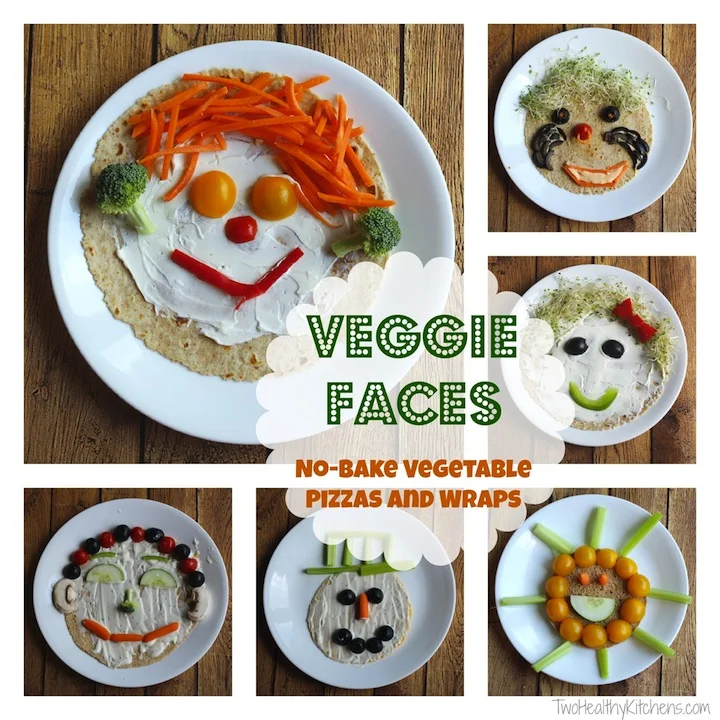
Mini Veggie Wraps
Creating mini wraps with soft whole wheat tortillas and a variety of crunchy vegetables offers both fun and nutrition. Kids can choose from sliced cucumbers, bell peppers, and shredded carrots to customize their wraps. This hands-on activity highlights the appeal of fresh vegetables in a portable, kid-friendly form.
Homemade Yogurt Parfaits
Layering plain yogurt with fresh fruit and a sprinkle of granola can transform a simple snack into a delightful treat. This recipe allows children to play with textures and build a balanced combination of protein, fiber, and natural sweetness. Parfaits are visually appealing, making healthy choices exciting.
Simple Whole Wheat Sandwiches
Wholesome sandwiches made with whole wheat bread, lean spreads, and fresh vegetables teach kids the basics of balanced meals. Encouraging them to assemble their own sandwiches fosters creativity and an understanding of mixing flavors and nutrients. This activity is quick, satisfying, and perfect for beginners.
No-Bake Energy Bites
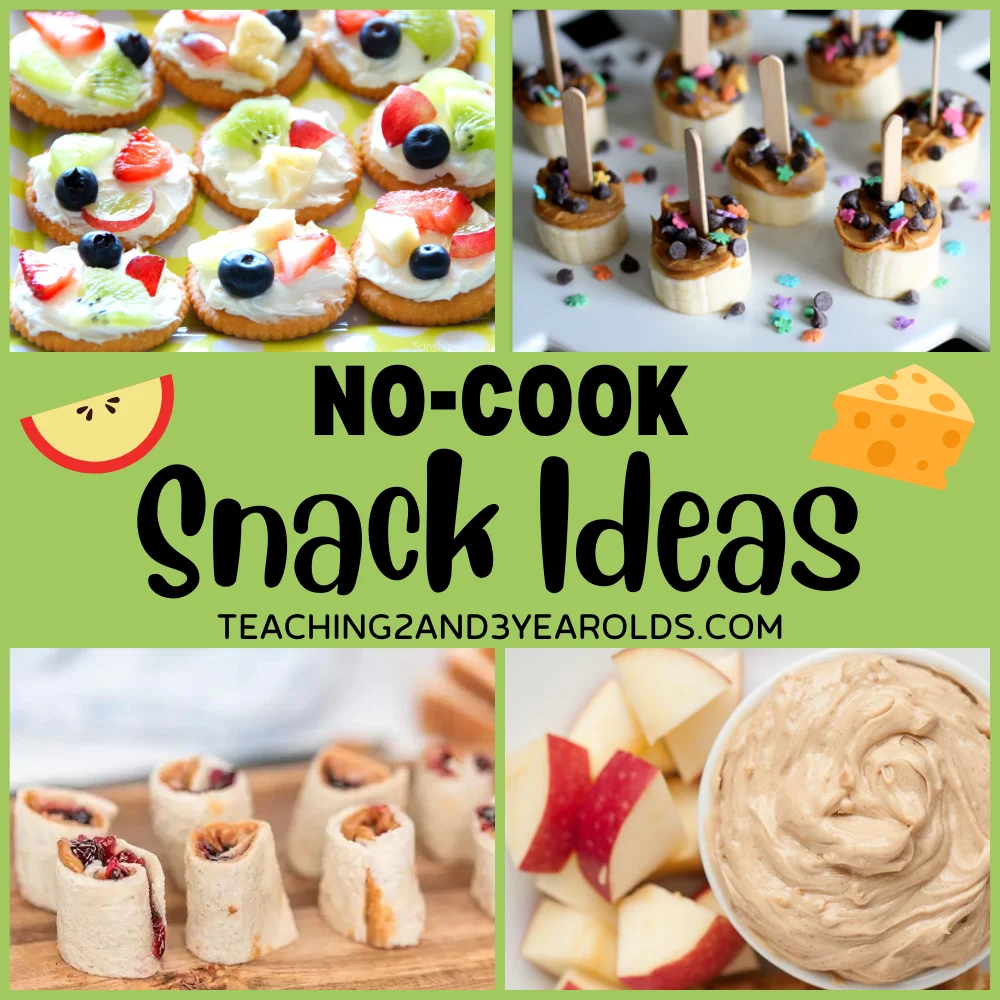
Blending oats, nut butters, and dried fruits into bite-sized snacks offers a nutritious energy boost without any cooking involved. These no-bake treats introduce children to combining ingredients and rolling them into fun shapes. It’s a practical lesson in creating healthy snacks with minimal fuss.
Turning Cooking Time into Learning Moments
Teaching Portion Control
Cooking together provides an ideal setting to discuss serving sizes and healthy portions. Kids can learn how much of each food group should go onto their plates. This practical approach builds awareness about balanced eating and helps prevent overeating without making it a challenge or chore.
Understanding Food Groups
While preparing meals, you can naturally introduce the concept of different food groups—fruits, vegetables, grains, proteins, and dairy. Helping children recognize these categories encourages a well-rounded diet. By connecting ingredients to their nutritional roles, cooking becomes an engaging way to explore healthy eating fundamentals.
Encouraging Mindful Eating
Involving kids in cooking encourages them to slow down and appreciate mealtime. Tasting ingredients during preparation highlights flavors and textures, promoting mindfulness. When children are aware of what they eat and how it’s made, they tend to develop a deeper connection to their food and healthier habits overall.
Tips for Keeping Kids Engaged Without Screens
Interactive Storytelling with Food
Bringing stories into cooking can transform the kitchen into a magical space. Narrating tales about where foods come from or inventing fun characters inspired by ingredients can keep children entertained and attentive. Storytelling encourages imagination and makes the experience more memorable, reducing the need for screen distractions.
Creating a Cooking Game
Turning meal preparation into a playful challenge can boost enthusiasm. Setting small goals, like guessing ingredients or timing how quickly tasks are completed, creates excitement. Games allow kids to focus on the activity while learning, making cooking a highlight of their day rather than a routine chore.
Conclusion: Building Lifelong Healthy Habits Through Cooking
Teaching children about healthy eating through simple, screen-free cooking activities is a powerful way to set them on a path toward wellness. These experiences nurture their curiosity, skills, and appreciation for wholesome food. By making cooking enjoyable and educational, you help cultivate habits that can last a lifetime—building confident, mindful eaters ready to embrace nourishing choices without the need for screens.


