
Understanding Hip Mobility and Its Importance for Seniors
Hip mobility refers to the ability of the hip joint to move freely in various directions. As we age, maintaining this mobility becomes increasingly important. For seniors, good hip mobility can mean the difference between moving comfortably and struggling with daily activities. Stiff hips can limit walking, bending, and balance, which raises the risk of falls and reduces overall independence.
Common Hip Mobility Challenges in Older Adults
Many seniors experience hip stiffness due to a combination of factors including arthritis, muscle tightness, and decreased activity levels. Years of repetitive movements and sometimes injury can lead to diminished range of motion. This often results in discomfort or pain when trying to perform simple tasks such as standing up from a chair or climbing stairs. Recognizing these common challenges is crucial to addressing them effectively.
Benefits of Improving Hip Mobility
Improving hip mobility offers numerous benefits beyond just reducing stiffness. Enhanced hip flexibility can improve balance, making it easier to prevent falls. It also supports better posture and relieves pressure on other joints like the knees and lower back. Seniors who invest time in mobility exercises often notice a boost in their overall energy levels and confidence in moving around freely.
Preparing for Hip Mobility Exercises at Home
Before diving into the exercises, it’s important to create a safe and comfortable environment. This preparation helps minimize injury risks and ensures the exercises are effective. A little time spent on warm-up and safety can make a big difference in results.
Essential Warm-Up Techniques
Warming up your body is the first step. Simple activities such as marching in place, gentle walking, or light stretching help increase blood flow to your hip muscles. This makes them more pliable and ready for movement. Even just five minutes of warm-up can reduce stiffness and prepare you mentally for the drills ahead.
Safety Tips and Equipment Needed
When exercising at home, safety is paramount. Use a sturdy chair or countertop for balance during standing drills. A comfortable mat or blanket can protect your joints if you are working on the floor. Always wear supportive shoes to reduce strain and prevent slips. If you have any existing injuries or medical conditions, it’s a good idea to consult your doctor before starting.
Simple Hip Mobility Drills for Seniors: Step-by-Step Instructions
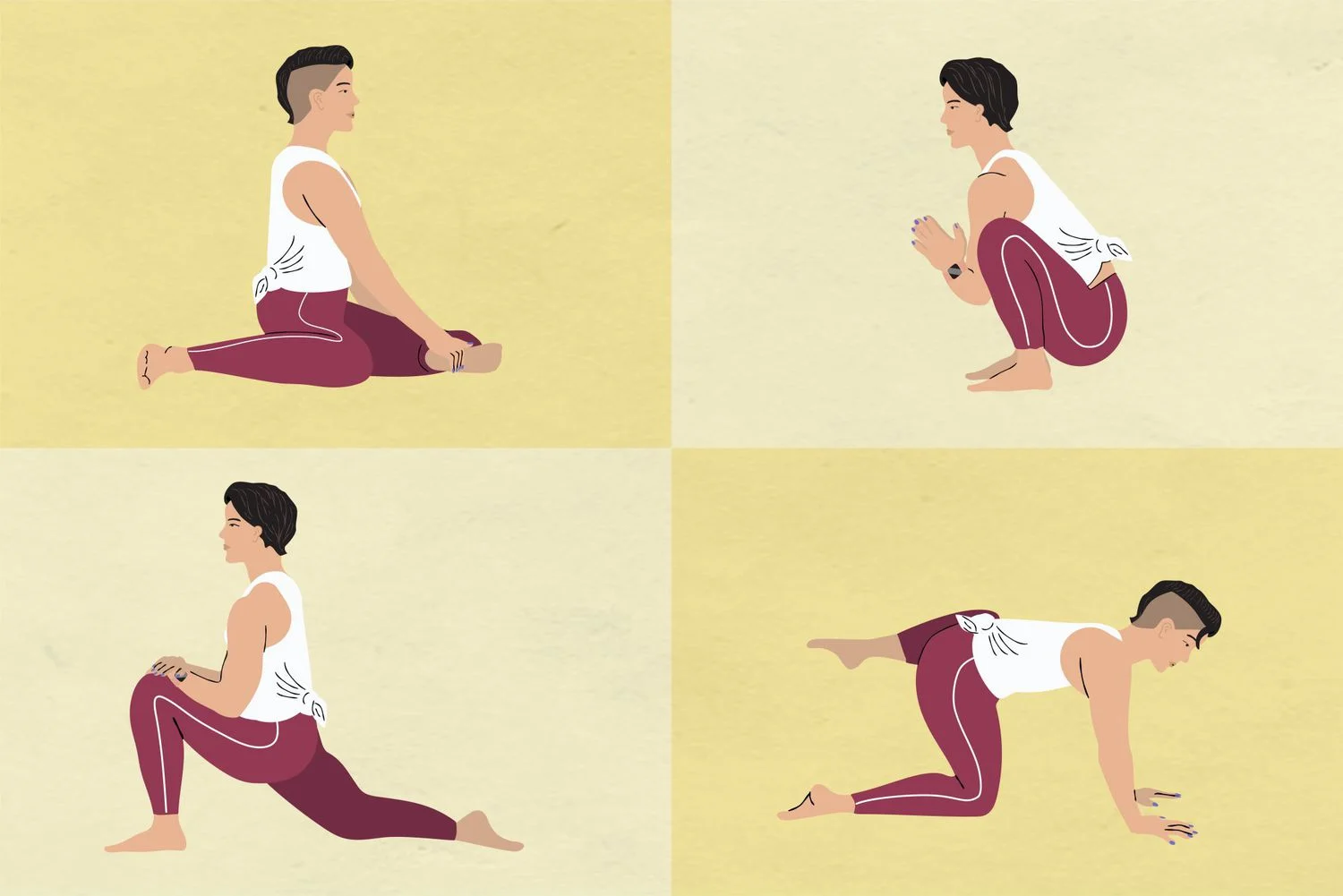
These drills are designed to be gentle yet effective, improving strength and flexibility in your hips one step at a time. Take your time with each exercise and listen to your body, adjusting as needed.
Seated Hip Marches
Begin sitting on a sturdy chair with your back straight. Slowly lift one knee toward your chest as if marching, then lower it back down. Alternate legs in a steady rhythm. This exercise strengthens hip flexors and improves joint mobility without putting weight on your hips.
Standing Hip Circles
Hold onto a chair or countertop for support. Lift one leg slightly off the ground and slowly make circular motions with your knee. Make the circles as wide as you comfortably can, first clockwise, then counterclockwise. This helps loosen the entire hip joint and enhances control over movement.
Supine Hip Rolls
Lie down on your back with your knees bent and feet flat on the floor. Slowly drop both knees to one side while keeping your shoulders flat. Hold for a few seconds and then move them to the other side. This gentle twist increases hip flexibility and stretches the surrounding muscles.
Side-Lying Leg Raises
Lie on your side with your legs stacked. Keeping the top leg straight, raise it slowly upward, then lower it back down with control. This targets the outer hip muscles, strengthening them to support better stability and movement.
Integrating Mobility Drills into Daily Routine
Consistency is key when it comes to hip mobility. Incorporating these drills smoothly into your daily schedule ensures you reap the benefits over time. It doesn’t have to take long—small, regular sessions add up.
Best Times for Practice
Many seniors find it helpful to do their mobility exercises in the morning to start the day feeling loose and energized. Others prefer to stretch in the evening to unwind and relieve tension built up during the day. It’s best to choose a time when you won’t feel rushed and can focus on the movements.
Tracking Progress Effectively
Keeping a simple journal of your exercises and how you feel afterward can be motivating. Noticing improvements—like being able to lift your leg higher or experiencing less stiffness—helps maintain momentum. If you’re unsure about your progress, consider checking in with a physical therapist who can offer guidance tailored to your needs.


