
Understanding Stress and Its Impact on Daily Life
What Causes Stress in Everyday Situations?
Stress often arises from the demands and pressures many face daily, including work deadlines, family responsibilities, financial concerns, and unexpected challenges. These situations trigger the body’s natural fight-or-flight response, leading to elevated anxiety and mental tension. Without effective coping mechanisms, even minor irritations can accumulate, making it difficult to remain calm and focused.
How Chronic Stress Affects Mental and Physical Health
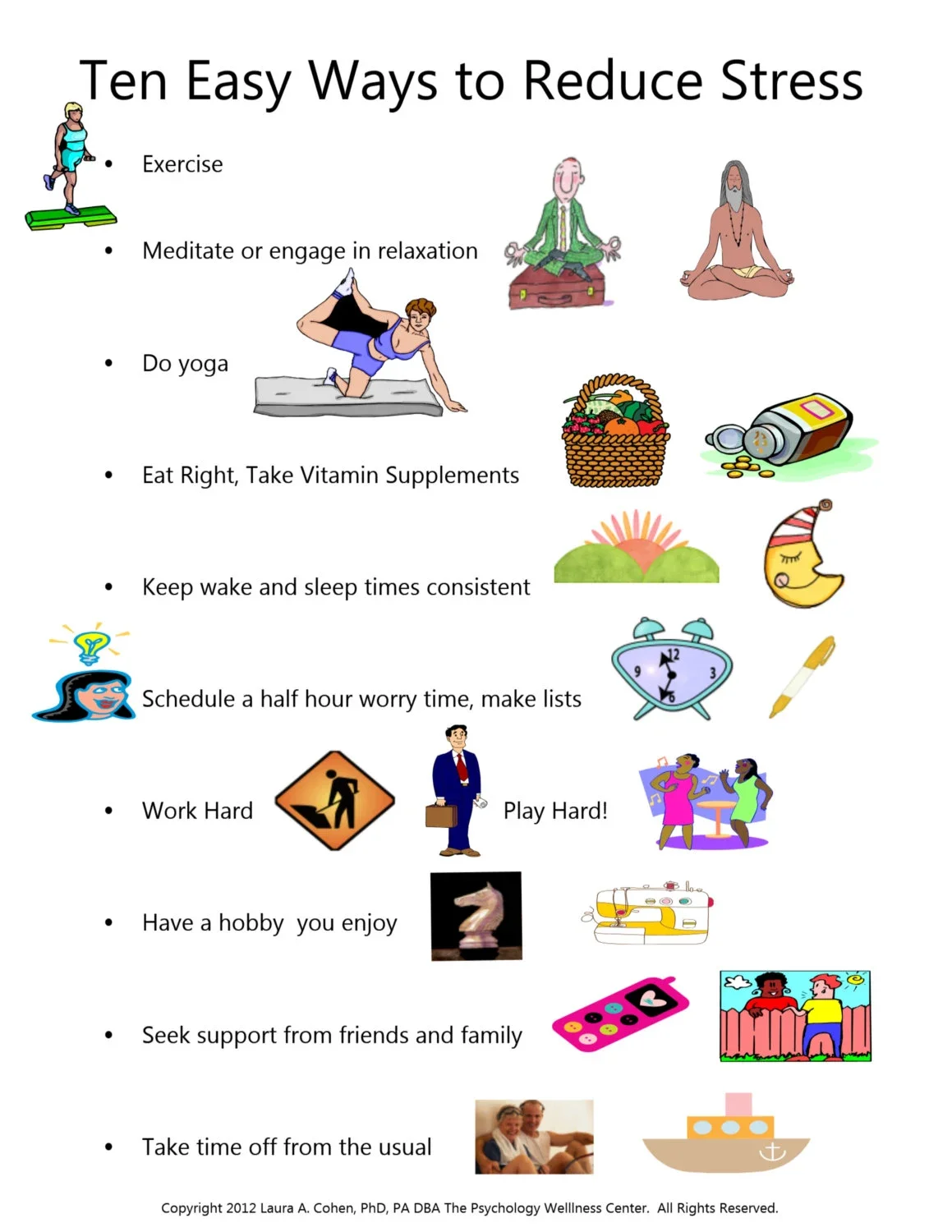
When stress becomes chronic, it no longer serves as a helpful motivator but instead contributes to ongoing mental strain and physical wear. It can affect mood regulation, leading to irritability or feelings of overwhelm. Physically, persistent stress may cause muscle tension, headaches, fatigue, and interfere with sleep quality. Recognizing the harmful effects is crucial to adopting healthier stress management techniques that can be practiced at home.
Simple Breathing Techniques to Calm Your Mind
Deep Breathing Exercises You Can Do Anywhere
One of the most accessible ways to reduce stress is through deep, mindful breathing. Shallow breaths often accompany anxiety, exacerbating tension. By consciously slowing your breath and focusing on deep inhales and exhales, you stimulate the body’s relaxation response. This can be accomplished anywhere—while sitting at a desk, waiting in line, or lying in bed—making it a versatile tool for restoring calm.
Guided Visualization for Instant Relaxation
Visualization techniques work by redirecting your thoughts away from stressors towards peaceful, positive images. You can imagine a serene beach or a quiet forest, engaging your senses to make the experience vivid. This mental escape triggers relaxation and helps break the cycle of anxious thinking. Practicing guided visualization regularly can train your mind to find calm instantly when stress arises.
Movement and Stretching Practices Without Equipment
Gentle Yoga Poses to Release Tension
Physical tension often accompanies stress and can be alleviated through gentle yoga poses. These movements do not require any special gear and can be done on a yoga mat or a soft surface at home. Poses like child’s pose, cat-cow stretch, and seated forward bends encourage muscle relaxation and promote mind-body connection, helping to ease both mental and physical stress.
Stretching Routines to Improve Circulation and Relax Muscles
Staying still during stressful periods can worsen muscle stiffness and reduce blood flow, which intensifies discomfort and anxiety. Simple stretching routines, such as neck rolls, shoulder shrugs, and hamstring stretches, can be performed throughout the day. These movements improve circulation, release muscle tension, and signal the nervous system to relax, making them practical options to incorporate into a daily stress relief routine.
Mindfulness and Meditation Methods at Home
Starting a Mindfulness Practice in 5 Minutes
Many avoid mindfulness due to perceived time constraints, but even a brief practice can be effective. Taking five minutes to focus on your breathing, observe your thoughts without judgment, and ground yourself in the present moment can reduce stress significantly. This brief pause interrupts automatic anxious thinking patterns and builds resilience over time.
Using Body Scans to Stay Present and Reduce Anxiety

Body scan meditation is a simple yet powerful method to cultivate awareness and calm. By slowly directing your attention to different parts of your body—from head to toes—you notice areas of tension that often go unnoticed. This practice encourages relaxation by gently releasing stress stored in muscles and helps maintain a balanced mental state by keeping your focus grounded in the physical sensations of the present.
Creating a Peaceful Environment for Stress Relief
Decluttering Tips to Clear Your Mind
A cluttered environment can reflect and amplify mental chaos, making stress harder to manage. Removing unnecessary items and organizing your space creates a sense of order that can soothe the mind. Start small by clearing a desk or a single shelf; the act of tidying can itself be meditative and provide immediate psychological relief.
Incorporating Natural Light and Fresh Air into Your Space
Natural light and fresh air play important roles in boosting mood and reducing stress. Sunlight influences the production of hormones associated with happiness and alertness, while fresh air helps refresh the mind and body. Opening windows regularly or spending time near a bright window can transform your home into a more peaceful refuge where stress is less likely to build up.
Nutrition and Hydration for Stress Reduction
Simple Dietary Adjustments to Improve Mood
Poor nutrition can exacerbate feelings of stress and irritability by affecting energy levels and brain function. Incorporating balanced meals with whole foods, such as fruits, vegetables, nuts, and whole grains, supports mood stability. Avoiding excessive caffeine and sugar can prevent spikes and crashes in energy that may worsen stress symptoms.
Hydration Habits That Support Relaxation
Dehydration often goes unnoticed but can contribute to fatigue, headaches, and difficulty concentrating—all factors that increase stress. Drinking sufficient water throughout the day helps maintain overall bodily function and supports cognitive clarity. Cultivating consistent hydration habits is an easy way to complement other at-home stress reduction strategies.
Leveraging Everyday Activities to Manage Stress
Journaling Prompts to Process Feelings
Writing down thoughts and emotions can provide clarity and a sense of release. Using simple journaling prompts like “What made me feel stressed today?” or “What am I grateful for right now?” encourages reflection without overwhelming. This practice can help identify stress patterns and shift focus toward positive aspects of life, providing mental relief.
Enjoying Music and Art as Therapeutic Tools
Engaging with music and art offers a creative outlet that can reduce tension and uplift mood. Listening to soothing tunes or spending a few moments doodling or coloring allows the mind to disconnect from stressors. These activities stimulate different brain areas involved in emotion regulation and can be easily integrated into daily routines without any special materials.
Conclusion
Stress is an inevitable part of life, but managing it does not require complex tools or external resources. By understanding its roots and impact, you can apply simple, accessible practices at home—such as mindful breathing, gentle movement, and environmental adjustments—to foster relaxation. Embracing these habits consistently helps build resilience and creates a calmer, more centered daily experience.


