
Understanding the Impact of Excessive Screen Time
Physical and Mental Health Consequences
Working from home often means extended hours in front of a computer screen, which can lead to a range of physical and mental health issues. Physically, prolonged screen exposure strains the eyes, causing discomfort known as digital eye strain or computer vision syndrome. This can result in headaches, blurred vision, and dry eyes. Additionally, sitting for long periods without movement can lead to poor posture, back pain, and even repetitive strain injuries. Mentally, excessive screen time contributes to increased stress levels and difficulties in maintaining a healthy work-life balance. It can also disrupt sleep patterns, leading to fatigue and reduced overall well-being.
How Screen Time Affects Productivity and Focus
While screens are essential tools for remote work, too much screen time can hinder productivity. Constant exposure often results in mental fatigue and diminished concentration, making it hard to stay on task. The allure of digital distractions such as social media or emails adds to the challenge, pulling attention away from work priorities. Overloading on screen activities can leave employees feeling drained, reducing motivation and creativity. Understanding how excessive screen time undermines focus is crucial in finding ways to manage and optimize work efficiency in a home environment.
Setting Up a Healthier Work-from-Home Environment
Ergonomic Workspace Design
A significant cause of physical discomfort when working from home is an improperly set up workspace. Many do not have dedicated office furniture, which results in poor posture and strain. To reduce screen-related issues, it’s important to create an ergonomic setup that supports the body correctly. This includes using a chair that promotes good posture, positioning the monitor at eye level to avoid neck strain, and keeping the keyboard and mouse at a comfortable height. Paying attention to lighting is also vital; natural light helps reduce eye strain, while avoiding glare on screens prevents headaches.
Establishing Clear Boundaries Between Work and Rest
One reason screen time can easily spiral out of control is the blurring of boundaries in a home setting. Without clear separation, work tasks spill over into personal time, leading to longer hours in front of screens. This problem is often caused by the lack of a fixed schedule or a dedicated workspace. The solution involves defining specific work hours and creating a distinct area reserved solely for work activities. This separation helps signal the brain when it’s time to focus and when to relax, effectively reducing unnecessary screen exposure outside of work tasks.
Effective Strategies to Minimize Screen Exposure
Implementing the Pomodoro Technique with Screen Breaks
The Pomodoro Technique, which alternates focused work periods with short breaks, offers a practical method to cut down continuous screen time. Many remote workers ignore the need for pauses, leading to prolonged screen exposure and fatigue. By working in intervals—typically 25 minutes of concentrated work followed by a 5-minute break—individuals can reduce eye strain and maintain better mental clarity. During breaks, stepping away from the screen completely is essential, allowing the eyes and mind to rest before returning to work tasks.
Using Technology Wisely: Tools and Apps to Limit Screen Usage
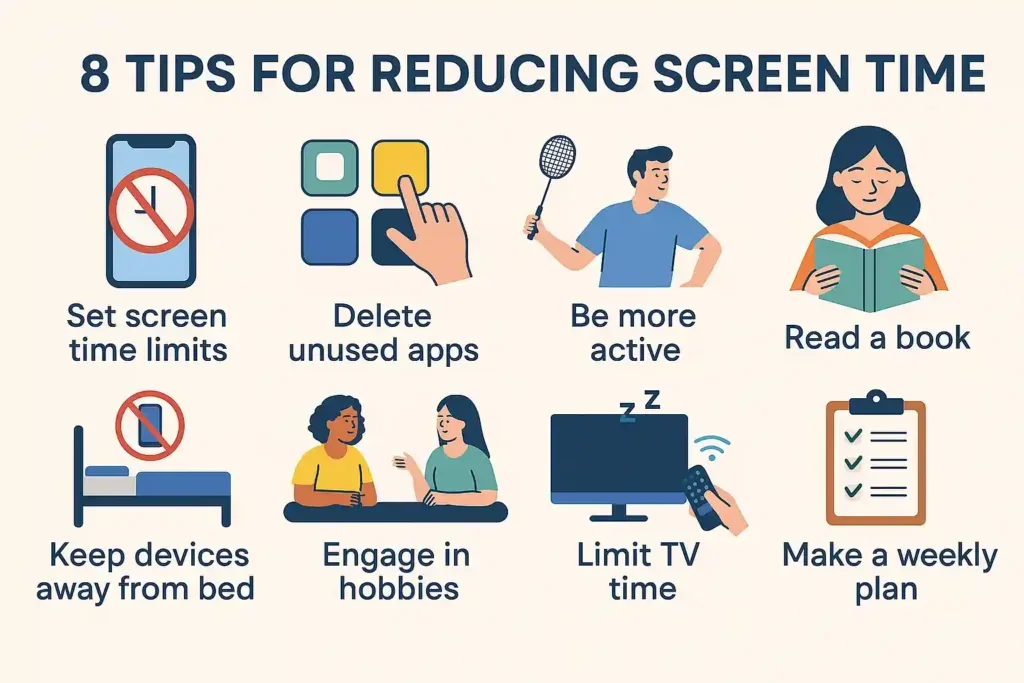
Ironically, technology itself can provide the solution to excessive screen time. Various productivity apps and tools are designed to monitor and limit screen usage. These apps can send reminders to take breaks, block distracting websites, and track the amount of time spent on different tasks. Using these tools helps workers become more aware of how much time they spend in front of screens and encourages healthier habits. The key is to choose applications that fit individual work styles and to set realistic goals to avoid adding stress.
Alternative Activities to Replace Screen Time
Incorporating Physical Exercise and Outdoor Breaks
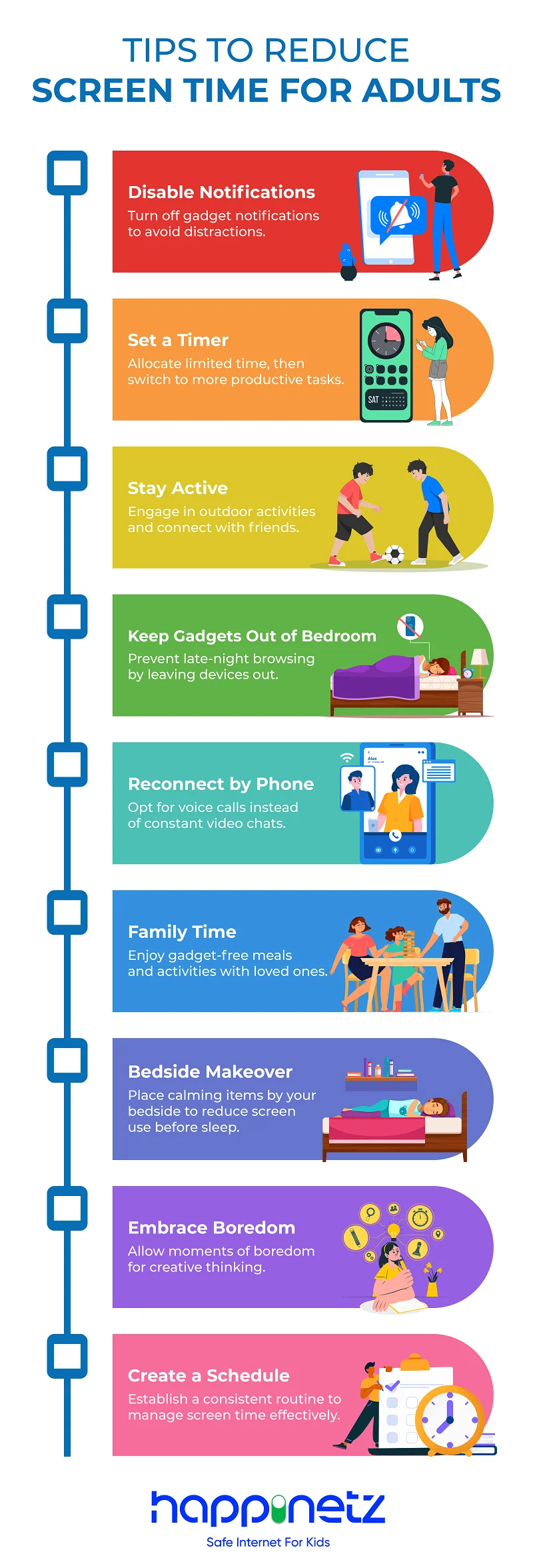
A common pitfall when working from home is neglecting physical activity, which compounds the negative effects of screen time. Incorporating regular exercise, even simple stretches or short walks, helps mitigate the physical strain caused by prolonged sitting. Outdoor breaks not only provide a change of scenery but also expose workers to natural light and fresh air, which are beneficial for eye health and mental rejuvenation. Engaging in these activities breaks the monotony of screen-focused work and contributes to overall health.
Engaging in Offline Hobbies and Mindfulness Practices
To reduce screen dependence, it’s helpful to develop interests that don’t involve digital devices. Offline hobbies such as reading physical books, gardening, or crafting encourage mental engagement without the drawbacks of screen exposure. Additionally, mindfulness practices like meditation and deep-breathing exercises can improve focus and reduce stress accumulated from screen time. These activities foster a healthier work-life balance and serve as effective alternatives to constantly being connected to digital screens.
Building Sustainable Screen Time Habits
Tracking Progress and Adjusting Routines
Reducing screen time is not a one-time effort but requires ongoing attention and adaptation. Tracking how much screen time is spent daily helps identify problem areas and measure improvement. Using journals or digital trackers can reveal patterns, such as especially long sessions without breaks or after-hours screen use. Based on this information, routines can be adjusted to set attainable goals for further reduction. Regular review ensures that healthier habits are not just temporary but become a lasting part of the work-from-home lifestyle.
Encouraging Social Interaction Beyond Digital Channels
One reason many rely heavily on screens is the social connection provided through digital communication. However, this can increase screen time unnecessarily. To address this, fostering social interactions offline is vital. Scheduling phone calls instead of video meetings when appropriate or meeting colleagues and friends in person can reduce the hours spent in front of a screen. Building a support system beyond digital media provides emotional benefits while helping maintain a more balanced daily screen exposure.


