
Understanding Mindful Eating
Definition and Key Principles
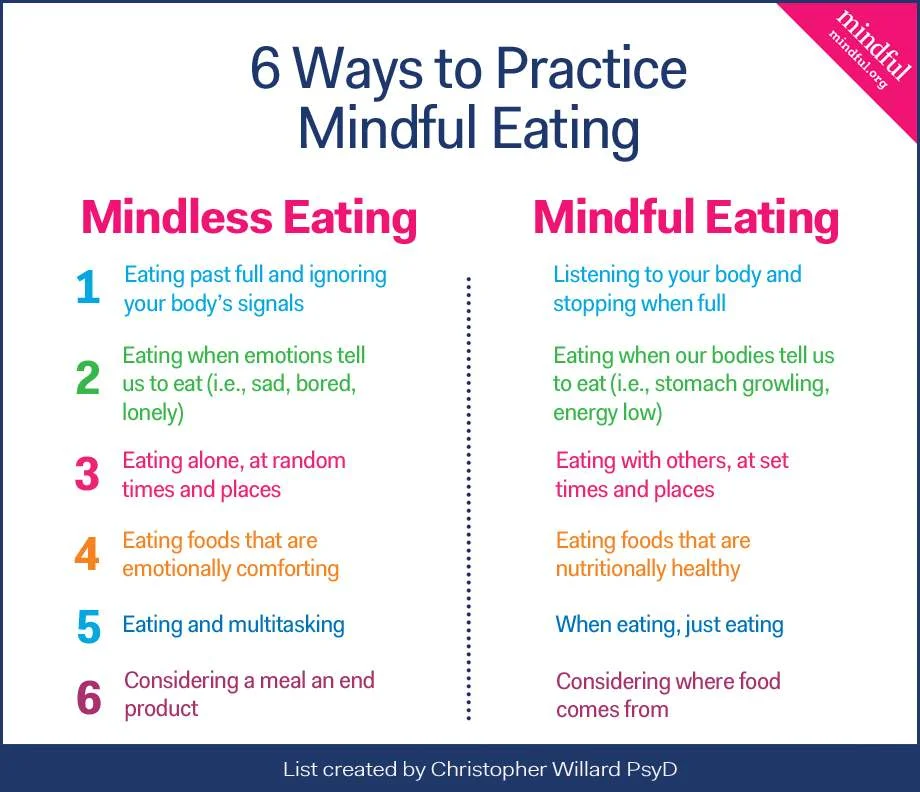
Mindful eating is the practice of paying close attention to the experience of eating and drinking, both inside and outside the body. It involves being fully present during meals, noticing the flavors, textures, colors, and smells of food while also recognizing physical hunger and satiety cues. The key principles revolve around slowing down, avoiding distractions, and approaching food without judgment or emotional baggage. This heightened awareness fosters a positive relationship with food, encouraging healthier habits and deeper enjoyment.
The Science Behind Mindful Eating
The scientific community increasingly supports mindful eating as a tool to improve eating behaviors and overall well-being. Studies show that mindfulness practices can reduce binge eating and emotional eating episodes by helping individuals tune into internal signals rather than external triggers. Neurological research reveals that mindful eating activates brain regions responsible for self-regulation and impulse control, which can lead to more deliberate food choices. Additionally, mindfulness enhances the sensory enjoyment of food, which may reduce the tendency to eat mindlessly or in excess.
Benefits of Mindful Eating for Daily Life
Enhancing Sensory Experience
One common issue today is eating quickly without truly tasting or enjoying meals. This detracts from the sensory pleasure that food can offer. Mindful eating challenges this by encouraging you to slow down and savor every bite. Carefully noticing the aroma, taste, texture, and even the sound of chewing transforms eating into a rich sensory experience rather than a rushed routine. Not only does this amplify enjoyment, but it also nurtures gratitude and appreciation for nourishment.
Improving Digestion and Nutrient Absorption
Rushing through meals or eating under stress often leads to poor digestion. When meals are hurried, the body may not produce adequate enzymes and digestive juices, resulting in discomfort or inefficient nutrient absorption. Mindful eating helps reverse this by fostering a calm, relaxed state during meals. Chewing thoroughly and eating slowly allows the digestive system to function optimally, improving the breakdown and assimilation of nutrients. Over time, this can enhance energy levels and overall health.
Reducing Overeating and Emotional Eating
Many people struggle with overeating or turning to food in response to emotional triggers like stress, boredom, or sadness. Mindful eating addresses these issues by helping individuals become more conscious of why they eat. By recognizing genuine hunger signals versus emotional cravings, it becomes easier to make intentional choices. This awareness can lead to reduced excess calorie intake and greater control over food choices, contributing to healthier weight management and emotional balance.
Step-by-Step Guide to Incorporate Mindful Eating Habits
Preparing Your Eating Environment
A chaotic or distracting environment is one of the biggest barriers to mindful eating. To begin, create a dedicated space for meals free from screens, clutter, or interruptions. Setting the table with care or sitting down in a quiet, comfortable spot encourages focus. This physical separation from distractions signals the brain to prepare for a mindful eating experience, laying the groundwork for greater awareness.
Practicing Mindful Observation Before Eating
Before taking your first bite, take a moment to observe your food visually. Notice colors, shapes, and textures. Reflect on where the food came from and appreciate the effort involved in its preparation. This brief pause helps transition your mind into a present-focused state, breaking the cycle of autopilot eating and enhancing your overall connection to the meal.
Techniques for Mindful Chewing and Savoring
Once you begin eating, slow down your chewing and focus fully on the taste and texture of each bite. Chew thoroughly instead of swallowing quickly, noting how the flavors evolve on your palate. This technique not only increases enjoyment but also gives your body time to register fullness signals. Engaging all your senses—sight, smell, taste, and touch—turns every meal into a richer and more fulfilling experience.
Listening to Hunger and Fullness Cues
One of the hardest but most important aspects is recognizing when to start and stop eating. Mindful eating involves tuning into physical sensations of hunger and fullness rather than external cues like clock time or plate size. By regularly checking in with your body’s signals, you can avoid overeating and honor your natural appetite. This intuitive approach supports balanced nutrition and greater satisfaction.
Common Challenges and How to Overcome Them
Dealing with Distracted Eating
In a fast-paced world, eating while multitasking is common but undermines mindful practices. The cause often lies in ingrained habits and environmental triggers such as smartphones or television. Overcoming this requires intentional changes like designating meal times as technology-free zones. Simple actions such as turning off devices and focusing solely on the food during meals can help retrain the mind toward mindful awareness.
Managing Social Pressures and Time Constraints
Social settings and busy schedules can make mindful eating feel impractical. People may feel pressured to eat quickly or conform to group habits, while limited time encourages rushing meals. To counter this, prepare by setting realistic goals—aim for at least one mindful meal daily. When in social situations, focus on savoring a few bites or pausing between courses. Even small adjustments can gradually build mindful awareness without feeling overwhelming.
Examples of Mindful Eating Exercises to Try Daily
Raisin Meditation
Raisin meditation is a classic exercise that cultivates mindful eating by focusing intently on a single piece of food. Begin by observing the raisin closely, noticing its texture and color. Smell it deeply and then place it in your mouth without chewing immediately. Gradually explore its taste and texture as you chew slowly. This exercise trains mindfulness by engaging senses in an unfamiliar way, helping you recognize the richness of simple foods.
Five Senses Food Journal

Keeping a food journal that highlights sensory details encourages ongoing mindful eating practice. After each meal or snack, jot down observations about how the food looked, smelled, tasted, felt, and sounded (such as crunchiness). This process develops greater awareness over time and helps identify patterns related to emotional or distracted eating. It acts as a reflective tool promoting deeper engagement with your eating habits.
Conclusion: Sustaining Mindful Eating as a Lifestyle Change
Incorporating mindful eating habits is not a quick fix but a gradual lifestyle transformation. Challenges like distractions and social pressures can derail progress, but consistent effort creates lasting change. By nurturing presence during meals and respecting hunger cues, mindful eating enhances daily awareness and enjoyment while supporting better health. Embracing this approach invites a more balanced, satisfying relationship with food that can improve well-being in meaningful ways.


