
Introduction to Bulk Cooking: Healthy and Budget-Friendly
Why Bulk Cooking Saves Time and Money
Bulk cooking involves preparing large quantities of meals at once, which can significantly reduce daily cooking time. This approach minimizes frequent trips to the grocery store and cuts down on impulse purchases. By buying ingredients in bulk, you often pay less per unit, making it easier to stick to a budget without sacrificing quality.
Health Benefits of Preparing Meals in Advance
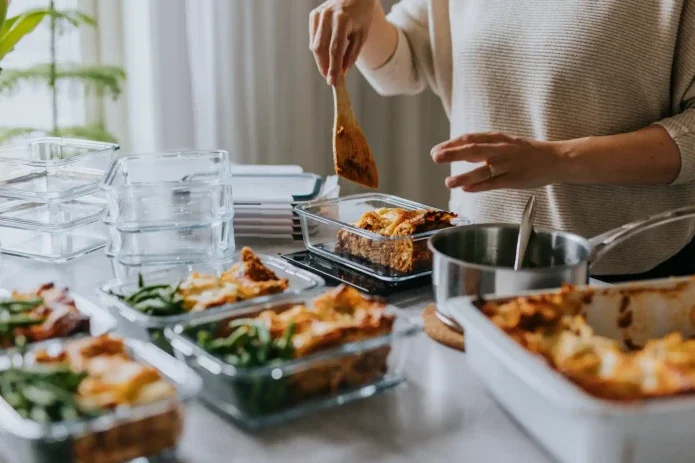
When meals are prepared ahead, there’s greater control over portion sizes and ingredients, enabling healthier choices. Ready-to-eat meals reduce the temptation to opt for fast food or processed snacks. Bulk cooking empowers you to incorporate fresh vegetables and balanced components consistently throughout the week.
Planning Your Budget-Friendly Bulk Cooking Sessions
Setting Realistic Goals for the Week
Start by gauging how many meals you need and the variety you want to enjoy. Planning for two to three different dishes often strikes a balance between simplicity and meal satisfaction. Keeping goals realistic avoids overwhelming your schedule and ensures you can maintain the habit long term.
Creating a Smart Grocery List with Affordable Ingredients
Focus on staples like beans, whole grains, seasonal vegetables, and inexpensive proteins. Planning meals around sales and local produce helps stretch your budget. Write a grocery list that aligns with your recipes to prevent overbuying and waste.
Tools and Equipment Needed for Bulk Cooking
Essentials include large pots, sturdy baking trays, and multiple storage containers for easy portioning. Investing in airtight containers and freezer-safe bags supports freshness and prolongs meal life. A slow cooker or pressure cooker can also simplify batch preparation.
Essential Tips for Cooking Large Batches of Healthy Meals
Batch Cooking Techniques That Preserve Nutrition
Use cooking methods that retain nutrients, such as steaming, roasting, or simmering gently. Avoid overcooking vegetables to keep vitamins intact. Preparing ingredients separately, like cooking grains and proteins independently, allows flexibility and reduces nutrient degradation.
Portion Control and Storage Methods
Divide meals into single-serving sizes immediately to make grabbing meals convenient. Label containers with the date and contents. Store portions in the refrigerator or freezer depending on when you plan to consume them, ensuring freshness and reducing the risk of spoilage.
Beginner-Friendly Recipes to Start Bulk Cooking
Hearty Vegetable and Bean Chili
This recipe is cost-effective and nutritious, combining beans, vegetables, and spices to create a filling meal. It can be cooked entirely on the stovetop in one pot, simplifying cleanup and preparation for bulk quantities.
One-Pot Whole Grain and Protein Bowls
Using whole grains like brown rice or quinoa paired with legumes, tofu, or lean meats forms a balanced base. Adding seasonal vegetables and a simple dressing completes these bowls, making them versatile and easy to portion for the week ahead.
DIY Healthy Sauces and Dressings in Bulk
Preparing your own sauces and dressings reduces reliance on store-bought options that may contain preservatives or excess sugar. Simple recipes using olive oil, lemon juice, herbs, and spices can be made in large batches and stored for use throughout the week.
Storing and Reheating Bulk Meals Without Losing Flavor
Freezing and Refrigeration Best Practices
Cool meals completely before storing to prevent condensation and freezer burn. Use appropriate containers with tight seals to maintain texture and flavor. Rotate meals regularly to consume the oldest batches first and minimize waste.
Tips for Quick and Tasty Reheating
Reheat meals gently to preserve moisture, using methods like stovetop simmering or microwave with a cover. Adding a small splash of water or broth can help retain texture in rice or grains. Stirring occasionally during warming ensures even heat distribution.
Common Challenges and How to Overcome Them
Staying Motivated and Avoiding Meal Fatigue
Variety is key to sustaining enthusiasm for bulk cooking. Rotate recipes weekly and experiment with different spices and ingredients. Setting achievable goals and celebrating small successes supports long-term commitment.
Adjusting Recipes for Dietary Preferences on a Budget
Adapt recipes by substituting ingredients based on availability and personal needs. For example, use legumes instead of meat or swap vegetables according to seasonality. This creativity helps maintain nutritional balance while respecting diverse preferences and budgets.


