
Understanding the Importance of Meal Prepping for College Students
Benefits of Healthy Lunches on Campus
Imagine Sarah, a sophomore juggling classes, a part-time job, and club activities. She often found herself skipping lunch or grabbing fast food between sessions, leaving her tired and unfocused. When she started preparing healthy lunches ahead of time, she noticed a remarkable difference—not just in her energy levels but also in her ability to concentrate during lectures. Healthy lunches help maintain steady blood sugar, which is essential for memory retention and alertness. For college students facing long days and demanding schedules, this can be a game-changer.
How Budget Constraints Affect Food Choices
College life rarely comes with a luxury budget. Mark, a freshman, quickly realized that eating out every day drained his finances rapidly. Budget constraints often push students towards cheaper, less nutritious options, like instant noodles or fast food. However, learning to meal prep even with limited funds allows students to eat well without overspending. Stretching dollars through thoughtful planning means less stress about money and more control over nutritional quality.
Step 1: Planning Your Meals Effectively
Assessing Nutritional Needs for Energy and Focus
Planning meals starts with understanding what your body needs. College students like Emma, who stay up late studying, need a balance of protein, fiber, and healthy fats to sustain energy. Before hitting the grocery store, take a moment to think about your daily activities and which nutrients support brain power and stamina. For instance, incorporating whole grains and lean proteins can fuel morning classes, while colorful vegetables provide antioxidants important for overall health.
Creating a Weekly Meal Calendar
When Jason struggled to keep track of what to eat each day, he began drafting a simple weekly meal calendar. This approach gave him clarity and prevented last-minute decisions leading to unhealthy choices. Setting aside a few minutes to map out lunches for the week helps with shopping more efficiently and managing portion sizes. Even writing down three staple meals that rotate throughout the week reduces planning fatigue and keeps variety balanced with convenience.
Step 2: Smart Grocery Shopping Tips
Choosing Affordable and Nutrient-Dense Ingredients
Tina discovered that canned beans, frozen vegetables, and brown rice were her go-to staples because they combined affordability with nutrition and lasted longer. Bulk items like oats and nuts offer great value, especially when used across meals. Prioritizing whole foods over processed snacks can initially seem more expensive but often results in better satiety and less waste. Local farmer’s markets or ethnic grocery stores sometimes offer fresh produce at lower prices, adding flavor and nutritional value without breaking the bank.
How to Use Grocery Store Sales and Coupons
Learning to spot sales and use coupons can significantly reduce grocery bills. For example, when Miguel noticed a discount on chicken breasts, he bought extra to freeze and use later. Many stores have apps or weekly flyers that highlight deals—checking these before shopping can turn an ordinary trip into a deal hunt. Students can also team up to pool coupons and bulk-buy certain items, making it easier to stick to a tight budget.
Step 3: Meal Prep Techniques for Busy Students
Batch Cooking and Portioning Strategies
On Sunday afternoons, Lisa spends an hour batch cooking basics like quinoa, roasted vegetables, and grilled chicken. Portioning these into containers ensures grab-and-go meals for the week ahead. This method prevents the daily scramble to cook fresh lunches and reduces the temptation of unhealthy alternatives. By cooking in bulk, students can customize portions based on their hunger and avoid food waste, which often happens with individually prepared meals.
Quick and Easy Recipes for Healthy Lunches
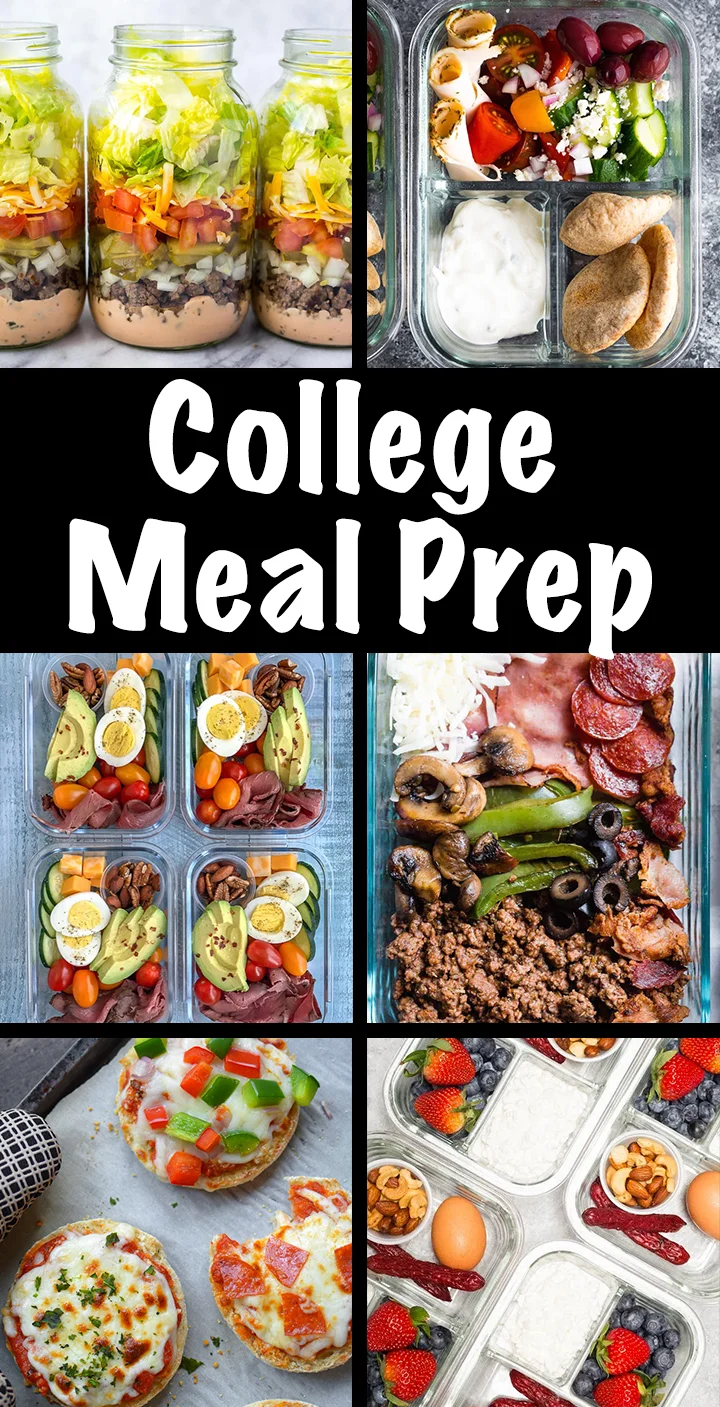
Simple recipes are key to sticking with meal prep. Dishes like grain bowls with a mix of beans, veggies, and a drizzle of olive oil are quick to assemble and pack nutrients. Stir-fried tofu with frozen mixed greens or pasta salads with chickpeas and cherry tomatoes provide flavorful, satisfying options that don’t consume much time. These meals can be tweaked easily to suit tastes, dietary preferences, or whatever ingredients are on hand.
Step 4: Storage and Reheating Tips
Best Containers for Meal Prep
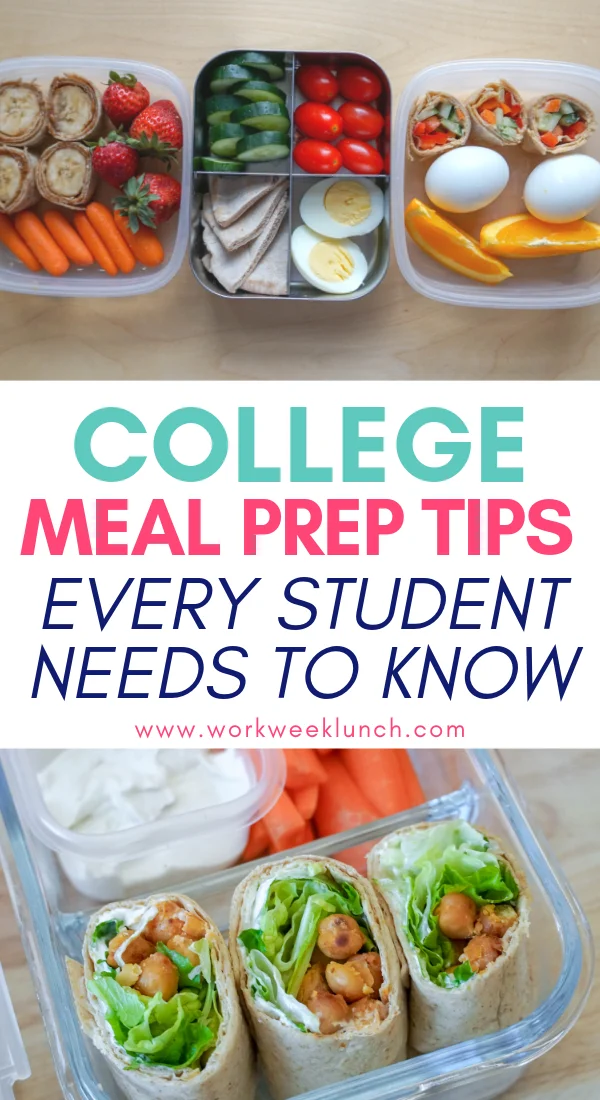
Choosing the right containers can make or break the meal prep experience. Jill invested in a set of airtight, BPA-free containers that stack neatly in her dorm fridge. Containers with compartments helped her keep ingredients separate until reheating. Durable, microwave-safe options save time and maintain meal quality. Clear containers also allow quick visual checks on freshness, avoiding forgotten meals.
Keeping Food Fresh Throughout the Week
Maintaining freshness requires proper refrigeration and storage habits. Luke learned to cool cooked meals before sealing containers to avoid condensation that accelerates spoilage. Using paper towels to absorb excess moisture in leafy greens helped keep salads crisp longer. Additionally, rotating meals so the oldest get eaten first prevents waste and ensures every lunch tastes as good as when prepared.
Additional Tips to Save Time and Money
Using Freezer-Friendly Meals
Freezing meals can be a lifesaver during busy weeks. Emma preps sturdy dishes like chili and vegetable soups in larger batches then freezes portions. When a deadline loomed, she simply reheated her frozen meals without sacrificing nutrition. This strategy not only saves time but also smooths out unpredictability in weekly schedules.
Incorporating Leftovers Creatively
Mark mastered turning dinner leftovers into exciting lunches. A roasted chicken dinner could transform into a hearty salad or wrap the next day. Using leftovers creatively limits food waste and diversifies lunch options. Even small tweaks like adding fresh herbs or a squeeze of lemon can renew flavors and keep meals enjoyable.
Conclusion: Maintaining Consistency and Staying Motivated
Consistency is the key to reaping the full benefits of meal prepping. Like any habit, it takes time to become second nature. College students who remind themselves of the energy and money saved find motivation grows naturally. Setting small, achievable goals, like prepping just a couple of lunches each week, builds confidence and momentum. Over time, meal prepping shifts from a chore into a supportive routine that enhances both wellbeing and academic performance.


