
Understanding Overwatering: The Silent Killer of Indoor Plants
What Happens When Plants Are Overwatered?
Imagine nurturing a beloved fiddle leaf fig, watering it diligently every few days, only to notice its leaves turning yellow and drooping. Overwatering is a common mistake that can suffocate indoor plants. When the soil remains soggy for too long, the roots become starved of oxygen, leading to root rot. This condition hinders the plant’s ability to absorb nutrients, causing stress and ultimately, death if not corrected. Overwatering doesn’t just drown the roots; it also creates an environment ripe for harmful fungi and bacteria.
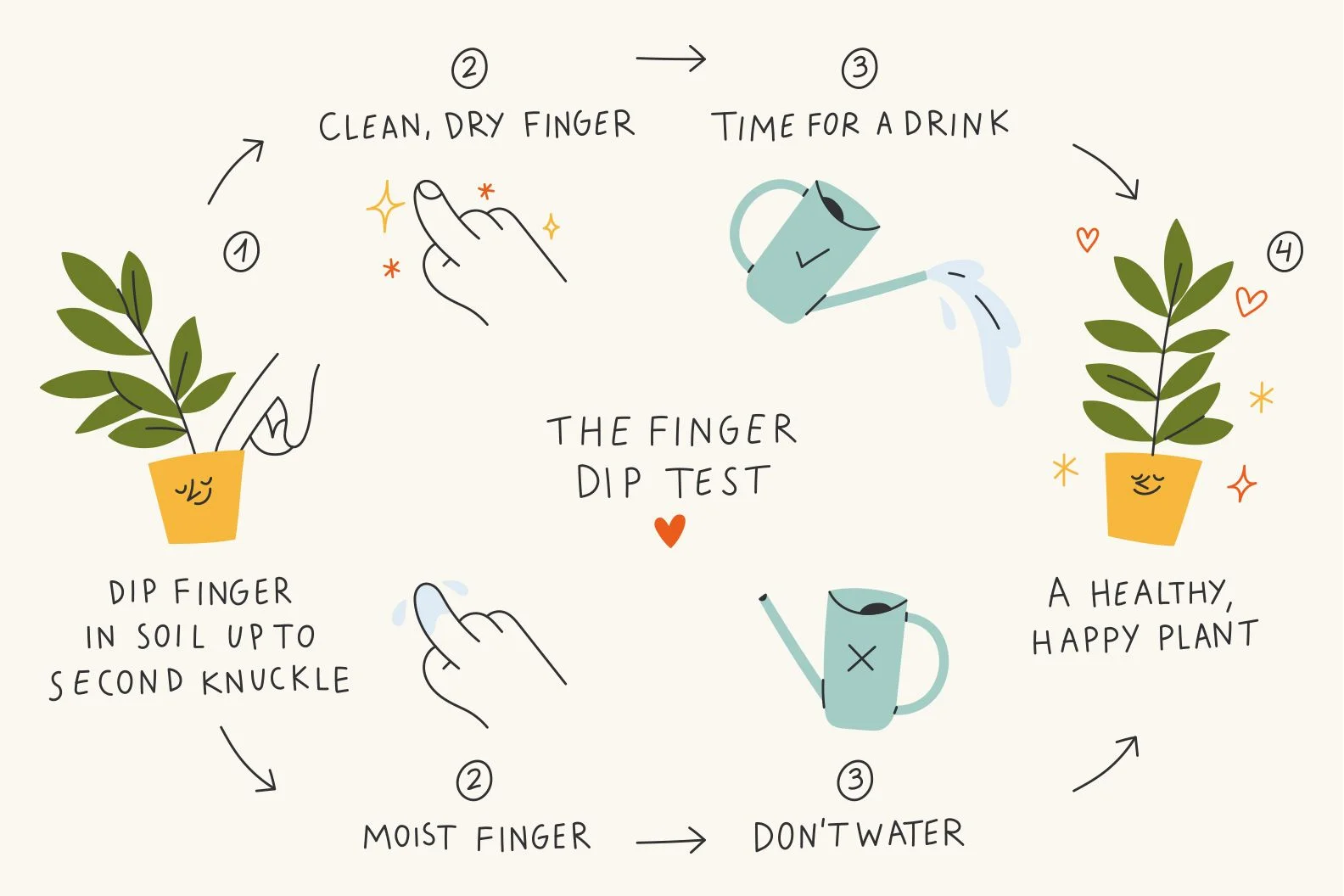
Signs and Symptoms of Overwatering in Common Indoor Plants
Recognizing overwatering early can save your plants. For example, peace lilies often develop browning leaf tips and yellowing leaves when overwatered. Spider plants may exhibit droopy, soft leaves. Common symptoms include wilting despite wet soil, moldy soil surfaces, and a sour or musty smell. Succulents are especially sensitive—they may appear swollen and the leaves become mushy. Observing these signs helps prevent irreversible damage.
Essential Factors to Monitor for Healthy Indoor Plants
Soil Type and Drainage: Foundation of Proper Watering
Imagine filling a pot with dense garden soil and planting a fern—watering it normally might leave a puddle sitting at the bottom. The key to preventing overwatering starts with soil selection. Well-draining soil allows excess water to flow away from roots, while soil that retains too much moisture invites root rot. Using a soil mix tailored for your plant type, such as cactus mix for succulents or peat-based mix for tropical plants, creates the ideal environment. Equally important is ensuring pots have drainage holes to prevent water buildup.
The Role of Humidity and Temperature in Water Needs
Indoor environments vary greatly. During winter, heated homes often have dry air, causing plants to dry out faster, whereas in summer, higher humidity means less frequent watering. Tropical plants like monstera thrive in warmer, moist conditions and may require more water, while desert plants need less frequent care. Understanding the interplay of temperature and humidity helps adjust watering routines accordingly. For instance, a beginner watering a monstera in a dry, cold room might need to increase watering compared to what a succulent needs in the same setting.
Step-by-Step Watering Guide for Beginners
Step 1: Identifying Your Plant’s Specific Water Requirements
The first step is research. Not all indoor plants drink the same amount of water. For example, ZZ plants prefer their soil to dry out completely before the next watering, while ferns like consistently moist soil. Beginners should start by listing their plants and looking up recommended watering schedules, but always observe how the plant responds. Real-life experience, combined with reliable sources, builds confidence.
Step 2: Choosing the Right Pot and Soil Mixture
After learning your plant’s needs, select a pot that supports healthy root growth and drainage. For instance, a shallow pot might suit a snake plant but not a tall palm. Pair this with an appropriate soil mix—well-drained for succulents and moisture-retentive for ferns. This combination sets the stage for successful watering.
Step 3: Learning Proper Watering Techniques
Water slowly and evenly to saturate the soil without flooding. Avoid watering leaves, which can cause fungal issues. Instead, target the base of the plant. A story from a beginner gardener illustrates this well: watering a spider plant from the top caused water to collect on the leaves, leading to brown tips. Adjusting the watering to the soil surface alone improved leaf health significantly.
Step 4: Setting Up a Watering Schedule and Sticking to It
Consistency helps prevent overwatering. Use a calendar or phone reminder to check your plants at regular intervals. However, don’t water blindly by dates alone—always check soil moisture first. For example, watering a pothos plant every five days is a good baseline, but if the soil is still damp, it’s better to wait. This approach balances routine with flexibility, fostering healthier plants.
Using Tools to Avoid Overwatering
How Moisture Meters Help Beginners Water Correctly

Moisture meters are inexpensive devices that measure how wet the soil is beneath the surface. For beginners uncertain about when to water, these tools offer clear guidance. For instance, a new plant owner used a moisture meter to realize their succulents were being watered too frequently. By following the meter’s reading, they perfectly timed watering sessions and saw a noticeable improvement in plant vitality.
Self-Watering Pots and Smart Irrigation Systems
Technology can simplify plant care. Self-watering pots regulate the water supply to plants, reducing the risk of overwatering. Similarly, smart irrigation systems paired with sensors can automatically adjust watering based on soil moisture and environmental data. A practical example is someone with a busy schedule using smart pots for herbs in their kitchen, ensuring steady moisture without daily attention.
Troubleshooting and Recovery
What to Do When You’ve Overwatered Your Indoor Plants
Overwatering is fixable if caught early. Start by removing the plant from its pot and inspecting the roots. Healthy roots are white and firm; rotten roots are brown and mushy. Trim damaged roots with clean scissors and repot the plant in fresh, dry soil. Quarantine the plant away from others to prevent spreading disease. This hands-on approach helps salvage seemingly doomed plants.
Best Practices to Revive Water-Logged Plants
After repotting, allow the plant a dry period before resuming normal watering. Increasing airflow and light exposure aids drying. For example, a philodendron with soggy soil improved dramatically after a week in a well-lit spot with no watering, followed by gradual reintroduction to a proper watering routine. Patience and careful monitoring are key to recovery.


