
Understanding Afternoon Slumps: Causes and Effects
What Triggers Energy Drops During the Day?
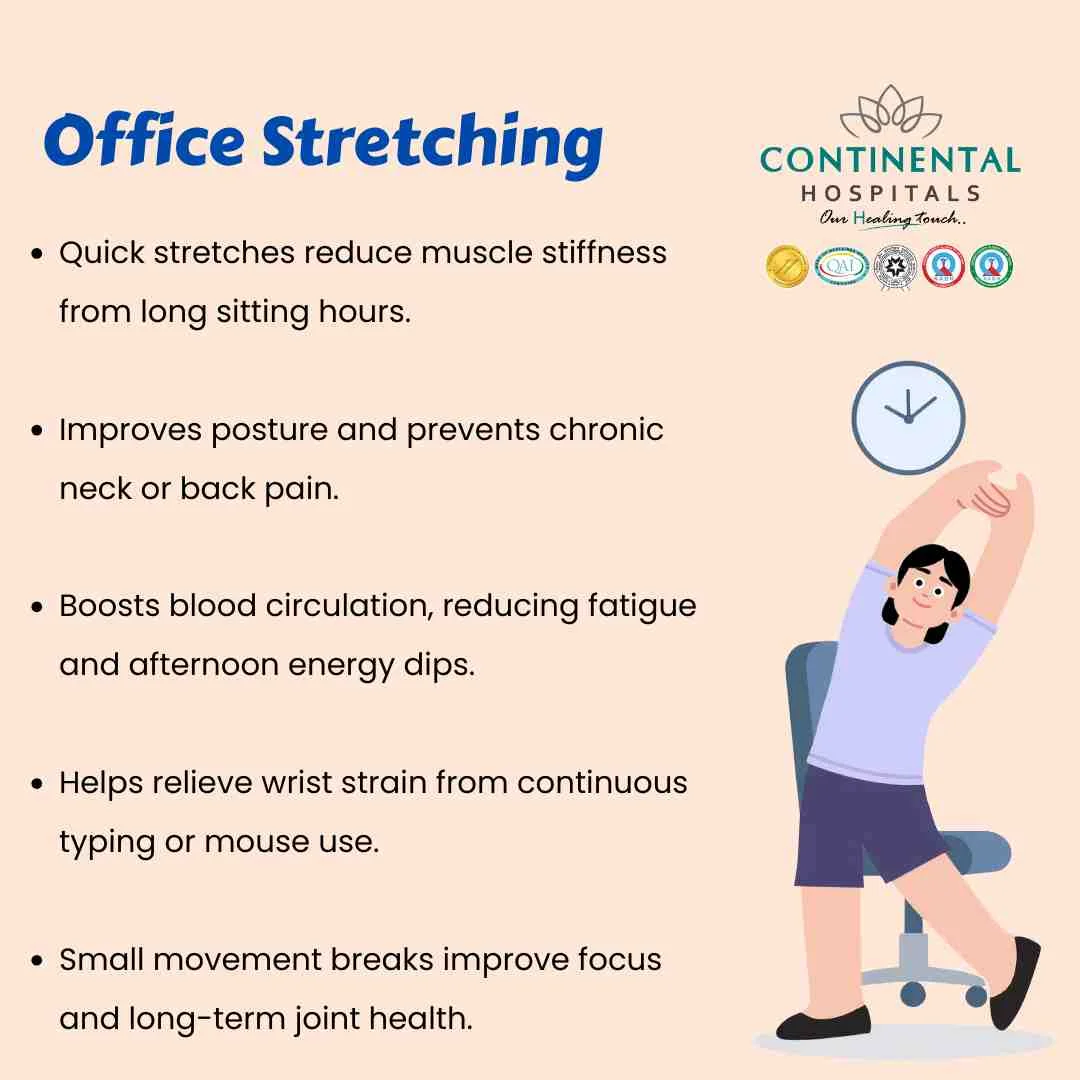
Many people experience a noticeable dip in energy levels during the afternoon, commonly known as the afternoon slump. This drop typically occurs a few hours after lunchtime when the body’s natural circadian rhythms influence alertness. Several factors contribute to this phenomenon, including digestion processes that redirect blood flow to the stomach, leading to temporary lethargy. Additionally, prolonged sitting and minimal physical activity at the desk can reduce circulation and cause muscles to stiffen, which further contributes to feelings of fatigue.
Impact of Slumps on Productivity and Health
The effects of afternoon slumps go beyond simple tiredness. When energy dips, concentration tends to wane, making it difficult to maintain productivity and focus on tasks. This reduction in mental sharpness can lead to mistakes or slower performance. Over time, the lack of movement combined with poor posture during these low-energy periods may result in physical discomfort, including muscle strain and tension headaches. Recognizing how these slumps affect both work output and physical well-being highlights the importance of addressing them effectively.
Why Stretching Works to Boost Energy
Physiological Benefits of Stretching
Stretching is a natural way to re-energize the body during a sedentary workday. When muscles are stretched, blood vessels expand, allowing for improved blood flow which delivers oxygen and nutrients more efficiently throughout the body. This process helps to reduce muscle stiffness and prepares the muscles for movement, reducing overall fatigue. Beyond the physical, stretching also triggers the release of endorphins that can enhance mood and promote a sense of alertness.
How Stretching Enhances Blood Flow and Alertness
Desk work often involves sitting in one position for extended periods, which can slow circulation particularly in the lower extremities. By engaging in stretching exercises, especially those targeting the neck, shoulders, and legs, circulation is stimulated. This increased blood flow helps flush out metabolic waste products that accumulate from inactivity. As a result, the body and brain receive revitalizing oxygen, which can boost cognitive functions and heighten energy levels, helping to counteract afternoon drowsiness.
Quick and Simple Desk Stretching Techniques
Neck and Shoulder Stretches to Relieve Tension
One effective way to ease tension accumulated in the upper body is through gentle neck and shoulder stretches. Begin by slowly tilting your head toward each shoulder, holding for a few seconds to release tightness. Follow this with shoulder rolls, moving the shoulders forward and backward to open the chest and reduce stiffness. These movements can quickly counteract the hunched posture common at desks and relieve stress that often leads to fatigue.
Seated Spinal Twists for Improved Posture
Spinal twists performed while seated are an excellent method to engage the core and improve posture, which often suffers during desk work. To do this, sit upright with both feet flat on the ground. Place one hand on the opposite knee and gently twist your torso in that direction, holding the position for a few breaths before switching sides. This movement encourages spinal mobility and releases tension around the back and torso, contributing to renewed alertness and reduced discomfort.
Leg and Ankle Movements to Increase Circulation
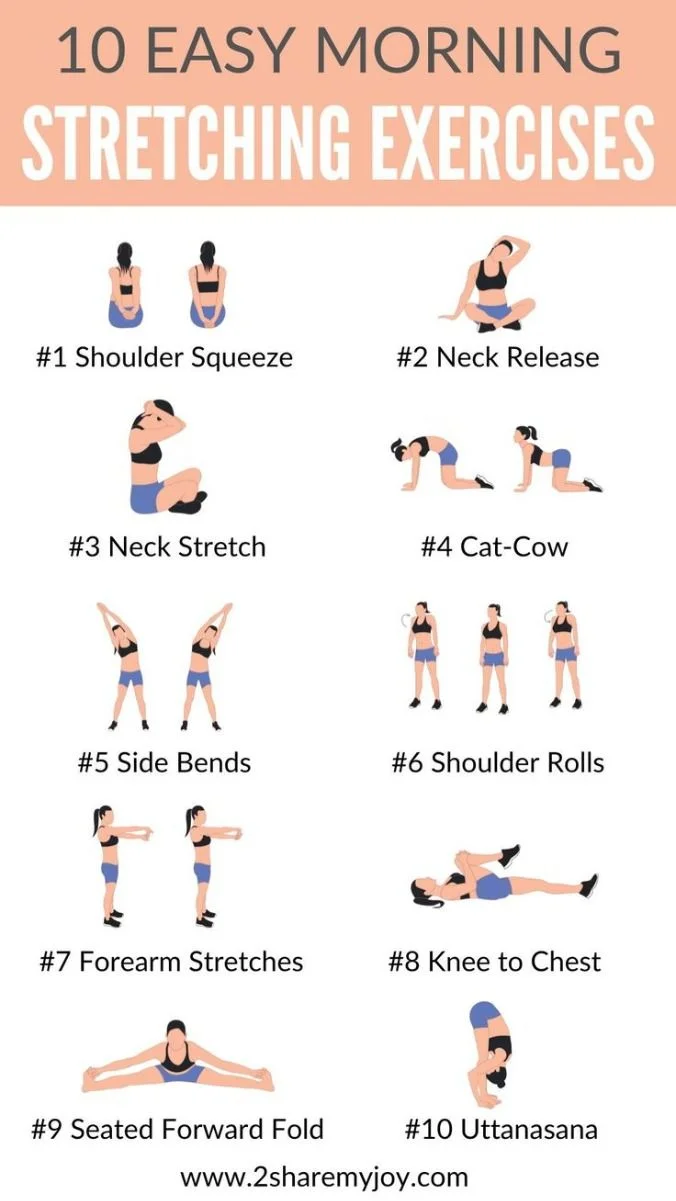
Leg and ankle exercises can be discreetly performed under the desk to promote blood flow in the lower body. Simple actions like ankle circles or flexing and pointing the toes help stimulate circulation and prevent the sluggishness that sets in from prolonged sitting. These movements also engage the muscles, reducing stiffness and the risk of discomfort that can distract from work.
Integrating Stretching Breaks into Your Work Routine
Optimal Timing and Frequency for Stretching
To maximize energy levels, it is beneficial to schedule stretching sessions at regular intervals throughout the workday. Ideally, short breaks every hour or so help maintain circulation and muscle flexibility. These moments do not need to be long; even a few minutes of focused stretching can provide noticeable improvements in alertness and comfort. By aligning these breaks with natural dips in energy, such as mid-morning or mid-afternoon, you can more effectively combat the slump.
Tips for Staying Consistent Throughout the Day
Incorporating stretching consistently requires mindfulness and motivation. Utilizing reminders, such as phone alarms or desktop notifications, can prompt regular movement. Pairing stretches with routine activities—for example, standing and stretching before a meeting or after completing a task—helps establish habits. Additionally, preparing a comfortable and open workspace encourages movement and reduces resistance to taking breaks.
Additional Tips to Sustain Energy without Leaving Your Desk
Hydration and Nutrition Essentials
Maintaining proper hydration throughout the day is fundamental to sustaining energy. Even mild dehydration can exacerbate feelings of fatigue and reduce concentration. Drinking water regularly supports bodily functions and can help alleviate the sluggishness associated with afternoon slumps. Alongside hydration, choosing balanced snacks with steady-release energy sources, such as nuts or fruit, can complement stretching efforts by preventing sudden energy crashes.
Mindfulness and Breathing Exercises
In addition to physical stretches, brief mindfulness or breathing exercises can further enhance alertness. Deep, controlled breathing increases oxygen intake and calms the nervous system, helping to clear mental fog. Practicing mindfulness allows you to reset focus and reduce stress, both of which contribute to improved productivity when returning to tasks. Integrating these practices with stretching establishes a holistic approach to managing energy levels at the desk.
Conclusion
Afternoon slumps are a common challenge in the workday, often stemming from natural bodily rhythms and prolonged inactivity. By understanding these causes and the impact they have on productivity and well-being, taking proactive measures becomes essential. Simple stretching techniques targeting the neck, shoulders, spine, and lower limbs can reinvigorate the body by improving circulation and reducing tension. Coupling these exercises with mindful hydration, nutrition, and breathing practices helps create a sustainable routine to maintain energy. Making stretching breaks a consistent part of your day transforms the desk workspace into an environment that supports both physical comfort and mental clarity.


