
Why Workspace Organization Matters for Mental Focus
The Psychology Behind Clutter and Distraction
Our surroundings deeply influence our mental state. When your workspace is cluttered, it can overwhelm your brain, making it difficult to focus on tasks. Clutter competes for your attention, causing constant distractions and reducing cognitive efficiency. This mental noise often leads to increased stress levels and decreased motivation. Understanding this psychological connection helps in recognizing the importance of maintaining a tidy workspace for clearer thinking and improved concentration.
How an Organized Space Enhances Productivity
Having an organized workspace creates a sense of control and calmness, which is essential for mental focus. When everything has its place, you spend less time searching for items and more time completing your work. This streamlines your workflow, reduces decision fatigue, and fosters a productive mindset. Additionally, organization supports better time management by enabling you to prioritize tasks more effectively without the distraction of mess or disorder.
Step-by-Step Guide to Decluttering Your Workspace
Assessing What to Keep, Toss, or Relocate
Start by taking a thorough look at your current workspace. Identify items that you use daily and keep them within easy reach. Next, find things that you rarely use but still need and consider relocating them to storage outside your immediate workspace. Finally, be honest about what no longer serves a purpose—whether it’s old papers, broken tools, or unnecessary gadgets—and discard them. This initial triage balances functionality with simplicity, laying the groundwork for a focused environment.
Implementing a Minimalist Approach
After triaging your items, embrace minimalism by keeping only essentials on your desk. A minimalist workspace reduces visual clutter and mental distractions, allowing your brain to prioritize the task at hand. This doesn’t mean stripping the space bare, but rather intentionally selecting a few key objects that aid productivity and inspire creativity. By minimizing excess, you create breathing room that supports clarity and calmness.
Essential Tools and Accessories for an Organized Workspace
Choosing the Right Storage Solutions
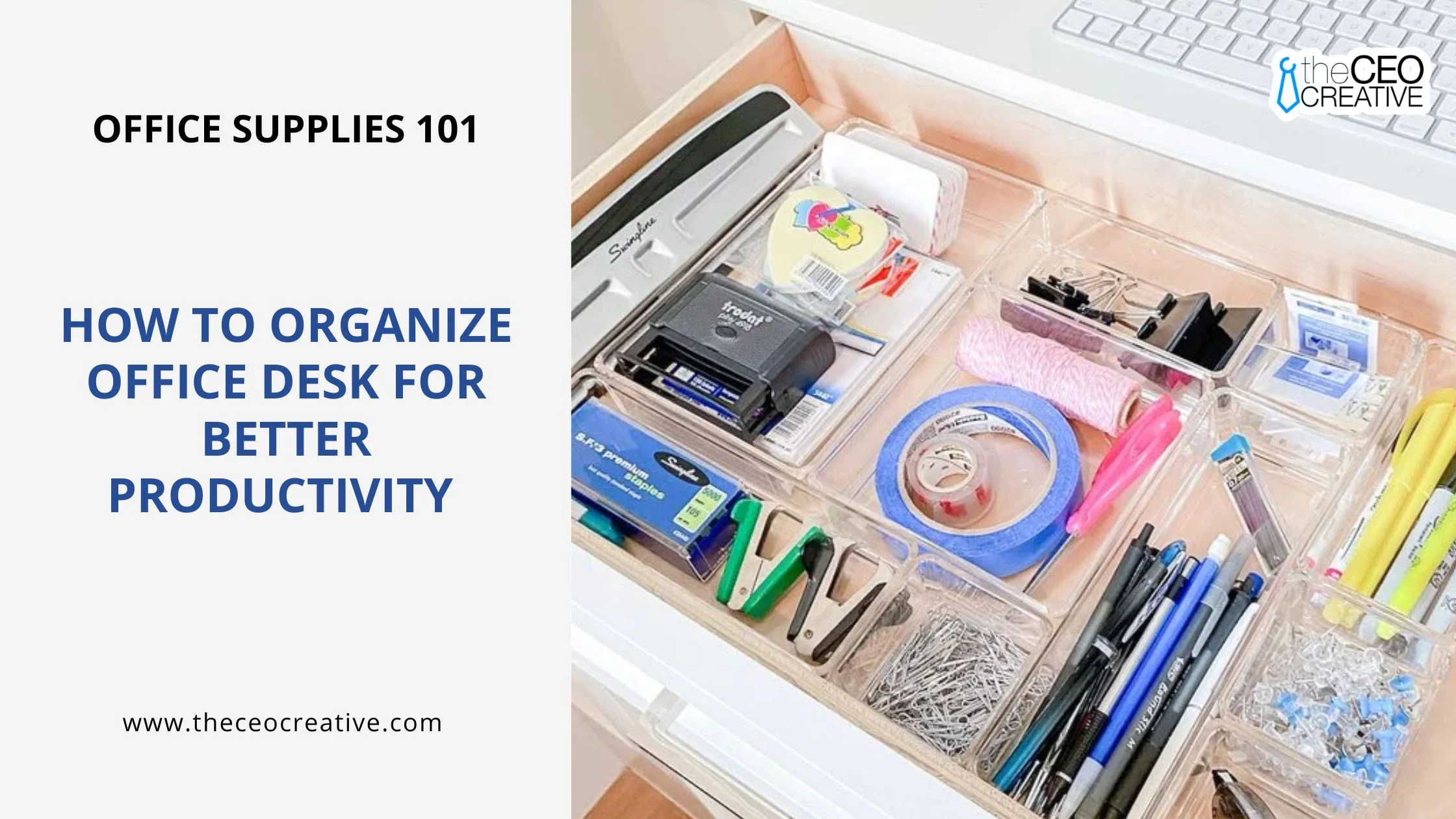
Effective storage plays a vital role in maintaining an orderly workspace. Consider using desk organizers, filing trays, or drawer dividers that accommodate the specific items you use. These tools help categorize your belongings and prevent accumulation of loose papers or supplies. Vertical storage options can save space while still keeping materials accessible, and clear containers allow you to quickly identify what’s inside without creating unnecessary clutter.
Tech Tools to Reduce Digital Clutter
Workspace organization extends beyond the physical into the digital realm. Using tools like cloud storage and file management software keeps your digital files structured and easy to retrieve. Additionally, apps that block distracting websites or set focused work sessions can improve concentration. Regularly decluttering your computer desktop and email inbox also contributes to a sense of order, reducing the overwhelm that digital mess often causes.
Daily Habits to Maintain an Organized and Focused Workspace
Creating a Clean-Up Routine
Maintaining an organized space requires consistency. Establish a daily habit of tidying your desk at the end of each workday. This involves putting away items used during the day, clearing crumbs or dust, and preparing the workspace for the next day. A simple 5-minute cleanup helps prevent mess from building up, reinforcing a habit of neatness that supports ongoing mental clarity.
Setting Boundaries and Time Blocks
Another way to keep focus is by setting clear boundaries within your workspace and dedicating specific time blocks for work periods. This structure minimizes interruptions and signals your brain when it’s time to concentrate. Additionally, setting limits on multitasking and digital distractions ensures your environment remains conducive to focused work rather than fragmented attention.
Workspace Design Tips for Mental Clarity
Ergonomics and Comfort
Comfort directly impacts your ability to focus. Align your chair, desk height, and monitor position to promote good posture and reduce strain. Ergonomically optimized setups prevent physical discomfort that can distract you from work. Investing time in adjusting your workspace for comfort not only improves mental focus but also contributes to long-term health and productivity.
Incorporating Natural Elements and Lighting
Introducing natural elements like plants or natural light into your workspace can enhance mood and cognitive function. Plants bring a sense of calm and refreshing energy, while natural light helps regulate your body’s internal clock and reduce eye strain. If natural light is limited, using soft, adjustable lighting can mimic these benefits, creating an inviting atmosphere conducive to concentration and creativity.


