
What Drives Sugar Cravings?
The Science Behind Sweet Tooth Urges
Sugar cravings originate primarily from our brain’s reward system. Consuming sugar triggers the release of dopamine, a neurotransmitter that induces feelings of pleasure and satisfaction. This reaction creates a cycle where the brain seeks repeated sugar intake to maintain those positive sensations. Moreover, fluctuations in blood sugar levels can prompt the body to crave quick energy sources like sugary foods.
Emotional and Psychological Factors Influencing Cravings
Stress, boredom, and emotional distress often intensify sugar cravings. Many people use sweets as comfort or a coping mechanism, linking sugar intake with emotional relief. Habits formed over time, such as reaching for a dessert after meals, also contribute. Recognizing the emotional triggers behind cravings is essential to managing them effectively.
How Lifestyle and Diet Affect Your Desire for Sugar
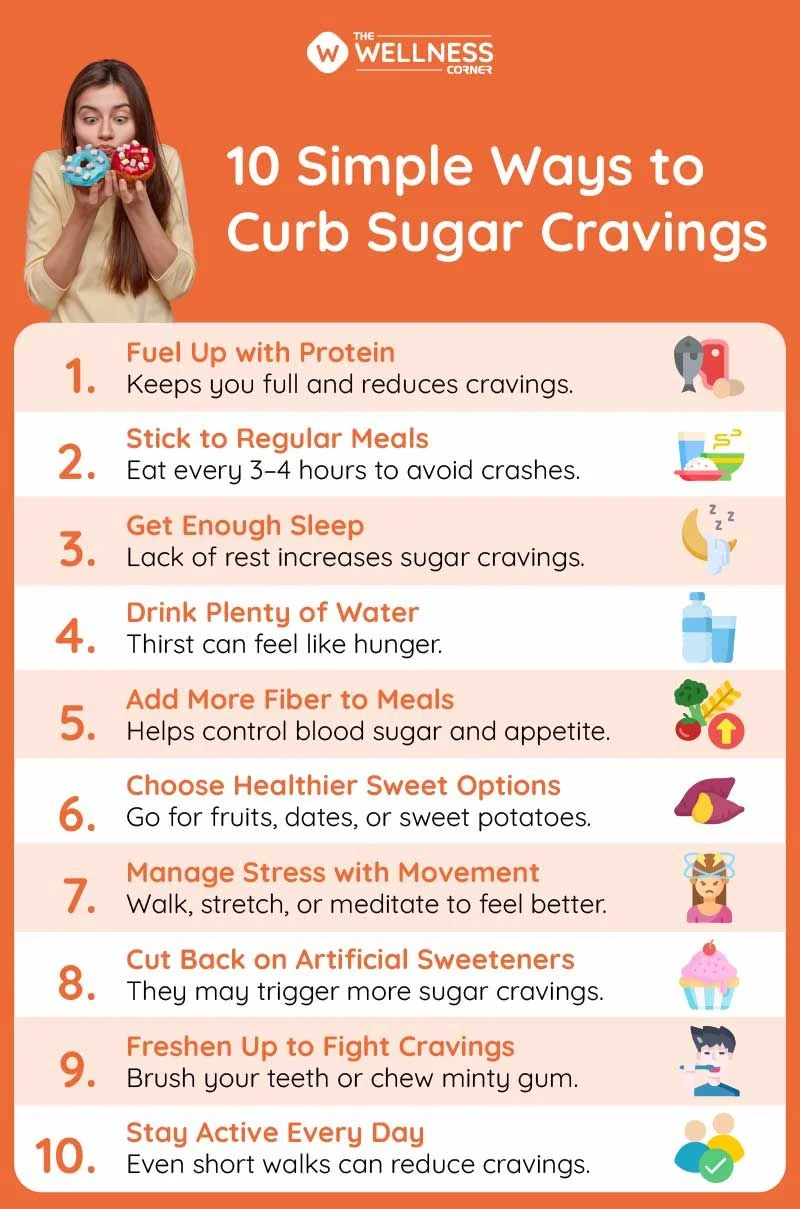
A diet high in processed foods and irregular eating patterns can increase sugar cravings. Skipping meals or consuming insufficient protein and fiber can lead to energy dips, prompting a desire for sugary snacks. Additionally, a sedentary lifestyle may reduce overall energy levels, leading to a higher reliance on quick sugar boosts.
Balancing Sweet Treats with Healthy Eating Habits
Incorporating Natural Sugars in Your Diet
Natural sugars found in fruits, vegetables, and dairy provide sweetness alongside essential nutrients and fiber. Including these in your diet satisfies sweet cravings while supporting overall health. For example, berries, apples, and sweet potatoes offer a gentle sugar release and help maintain steady blood glucose levels.
Smart Swaps: Healthier Alternatives to Refined Sugar
Replacing refined sugar with alternatives like honey, maple syrup, or dates can reduce the negative impact of sugar intake. These substitutes often contain trace minerals and antioxidants absent from processed sugar. Using them sparingly in baking or beverages helps maintain flavor without excessive sweetness.
Timing and Portion Control Strategies for Indulgence
Enjoying sweet treats in moderation and at appropriate times supports balanced eating. Having desserts after meals rather than on an empty stomach can minimize blood sugar spikes. Additionally, choosing smaller portions allows indulgence without overconsumption, making it easier to satisfy cravings responsibly.
Practical Tips to Tame Sugar Cravings Without Total Elimination
Mindful Eating Techniques to Curb Overindulgence
Eating slowly and focusing on the sensory experience of sweets can help reduce the urge to overeat. Paying attention to flavor, texture, and portion size encourages satisfaction with less. Mindful eating promotes awareness of hunger cues and helps distinguish between actual hunger and habitual cravings.
Use of Spices and Flavors to Satisfy Sweetness
Incorporating spices like cinnamon, nutmeg, or vanilla can enhance the perception of sweetness without adding sugar. These flavors complement fruits and baked goods, creating satisfying treats that feel indulgent. Experimenting with such spices can reduce the need for excessive sugar while still delivering enjoyable taste experiences.
How to Build a Supportive Environment for Managing Cravings
Limiting the availability of high-sugar snacks at home and work makes it easier to resist temptations. Surrounding yourself with healthier food options and encouraging friends or family to join in balanced eating habits fosters a supportive atmosphere. Planning meals and snacks ahead of time also helps prevent impulsive sugar consumption.
The Role of Hydration and Sleep in Reducing Sugar Desires
Why Thirst Can Masquerade as Sweet Cravings
Sometimes, the body confuses dehydration with hunger or sugar cravings. Insufficient water intake can trigger sensations that are mistaken for a desire for sweets. Staying adequately hydrated throughout the day helps reduce false cravings and supports overall metabolism.
Effects of Sleep Deprivation on Sweet Craving Intensity
Lack of sleep disrupts hormonal balance, increasing hunger-stimulating hormones like ghrelin and reducing satiety hormones such as leptin. This imbalance intensifies cravings for calorie-dense, sugary foods. Ensuring consistent, quality sleep is vital for regulating appetite and controlling sugar desires.
When to Seek Help: Understanding Sugar Addiction and Professional Support
For some individuals, sugar cravings can become compulsive, resembling addictive behavior. If sweets interfere with daily functioning or cause emotional distress, professional guidance may be necessary. Nutritionists, therapists, or medical professionals can offer tailored strategies and support to manage excessive sugar consumption safely and effectively.


