
Understanding Metabolism: The Basics
What is Metabolism?
Metabolism refers to the chemical processes that occur within a living organism to maintain life. It involves converting food into energy, building or repairing tissues, and eliminating waste. This complex system determines how efficiently the body uses calories and burns energy.
How Metabolism Affects Weight and Energy
Metabolic rate influences how fast or slow the body burns calories. A higher metabolism often means more calories burned at rest, which can affect weight management. It also impacts energy levels, as efficient metabolism supports optimal functioning of organs and physical activity.
The Role of Water in the Human Body
Hydration and Its Physiological Importance
Water is essential for nearly every bodily function. It helps regulate temperature, transport nutrients, and remove toxins. Proper hydration ensures that metabolic processes run smoothly and supports overall health.
Daily Water Intake Recommendations
General guidelines suggest about 2 to 3 liters of water daily for most adults, but needs vary by age, activity, and environment. Staying adequately hydrated is crucial, but simply drinking more water without considering these factors may not lead to significant benefits.
Examining the Claim: Water and Metabolic Boost
Scientific Studies Supporting Increased Metabolism
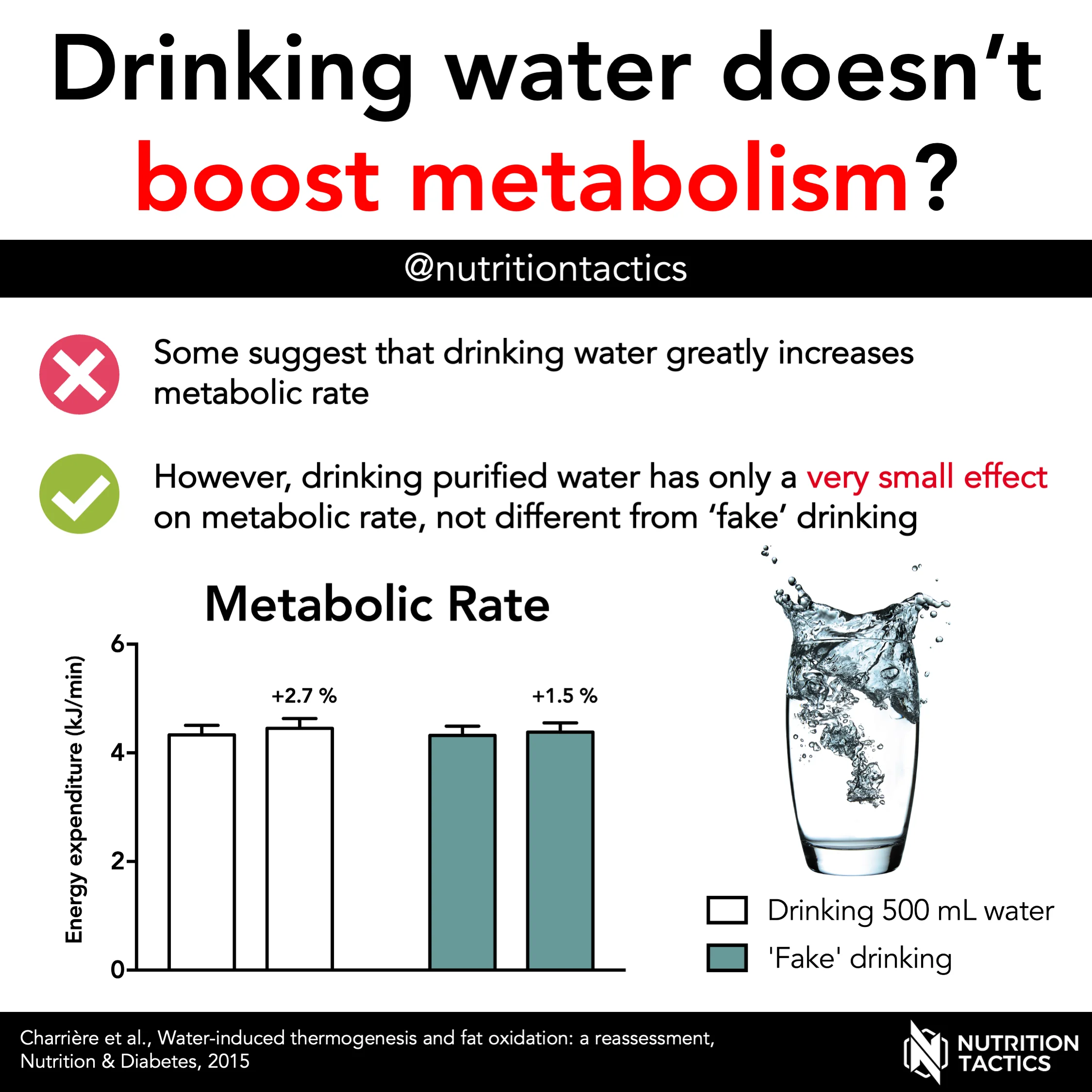
Some research indicates that drinking water can temporarily increase metabolic rate through a process called water-induced thermogenesis. Studies have shown metabolism may rise by about 10-30% for short periods after water consumption, suggesting a modest boost.
Research That Challenges the Claim
Other studies argue that the metabolic increase from water intake is minimal and unlikely to impact weight loss or long-term metabolism. They highlight that water alone is not a magic solution and must be combined with other lifestyle factors for noticeable effects.
How Much Water Is Needed to Impact Metabolism?
Volume and Timing Considerations
The metabolic boost seems most pronounced after drinking about 500 ml (17 oz) of water in a short time frame. Drinking water steadily throughout the day offers hydration benefits, but large amounts at once are necessary to trigger this temporary metabolic effect.
Individual Differences and Their Effects
Factors such as body size, age, and metabolic health influence how water affects metabolism. People with faster metabolisms or greater muscle mass may experience different results compared to those with slower metabolic rates.
Other Factors Affecting Metabolic Rate
Diet and Nutrition
Metabolism is strongly affected by what and how much you eat. Protein-rich diets tend to increase metabolic rate more than fats or carbohydrates because they require more energy to digest.
Physical Activity and Exercise
Regular exercise, especially strength training, builds muscle that boosts metabolism. Physical activity increases calorie burn both during and after workouts, making it a key factor in managing metabolic rate.
Sleep and Stress Management
Poor sleep and chronic stress can slow metabolism by disrupting hormones involved in energy regulation. Prioritizing good sleep hygiene and stress reduction supports metabolic health.
Practical Tips for Using Hydration to Support Metabolism
Integrating Water Intake into a Healthy Lifestyle
Drink water before meals to aid digestion and encourage fullness. Replace sugary drinks with water to reduce calorie intake. Pairing hydration with balanced nutrition and exercise enhances metabolic benefits.
Warning Signs of Overhydration
While hydration is vital, excessive water intake can lead to hyponatremia—a dangerous dilution of blood sodium. Symptoms include headache, nausea, confusion, and in severe cases, seizures. Listen to your body’s thirst signals and avoid forcing large amounts of water unnecessarily.
Conclusion: Separating Myth from Reality
Drinking more water can offer a slight and temporary metabolic boost, but it is not a standalone solution for weight loss or metabolic enhancement. Proper hydration supports overall health and metabolic function, but its effects are best realized as part of a comprehensive approach including diet, exercise, and lifestyle balance.


