
Understanding Oily Skin Texture
Characteristics of Oily Skin
Oily skin is often marked by a noticeable shine and a greasy feel, especially in areas like the forehead, nose, and chin, commonly referred to as the T-zone. This skin type usually has enlarged pores and is prone to blackheads, whiteheads, and acne due to excess sebum production. While oiliness can make skin appear youthful and less prone to wrinkles, it can also create a sticky or heavy sensation that many find uncomfortable.

Common Causes of Excess Oil Production
Several factors contribute to the overproduction of oil in the skin. Hormonal fluctuations, especially during puberty or menstrual cycles, can ramp up sebum levels. Environmental conditions, such as heat and humidity, tend to make oiliness worse. Additionally, the use of harsh skin products or over-cleansing can strip the skin’s natural barrier, causing it to compensate by producing more oil. Genetics also play a significant role in determining how much oil your skin produces.
Key Natural Ingredients to Balance Oily Skin
Oil-Absorbing Clays and Charcoal
Clays like kaolin and bentonite are excellent at drawing out impurities and absorbing excess oil from the skin’s surface. They work gently to mattify the skin without stripping it of necessary moisture. Charcoal, especially activated charcoal, acts like a magnet, pulling out dirt and toxins. These ingredients are effective in masks or cleansers designed to refresh oily skin, helping it feel clean and balanced rather than dry or tight.
Botanical Astringents: Witch Hazel, Green Tea, and Aloe Vera
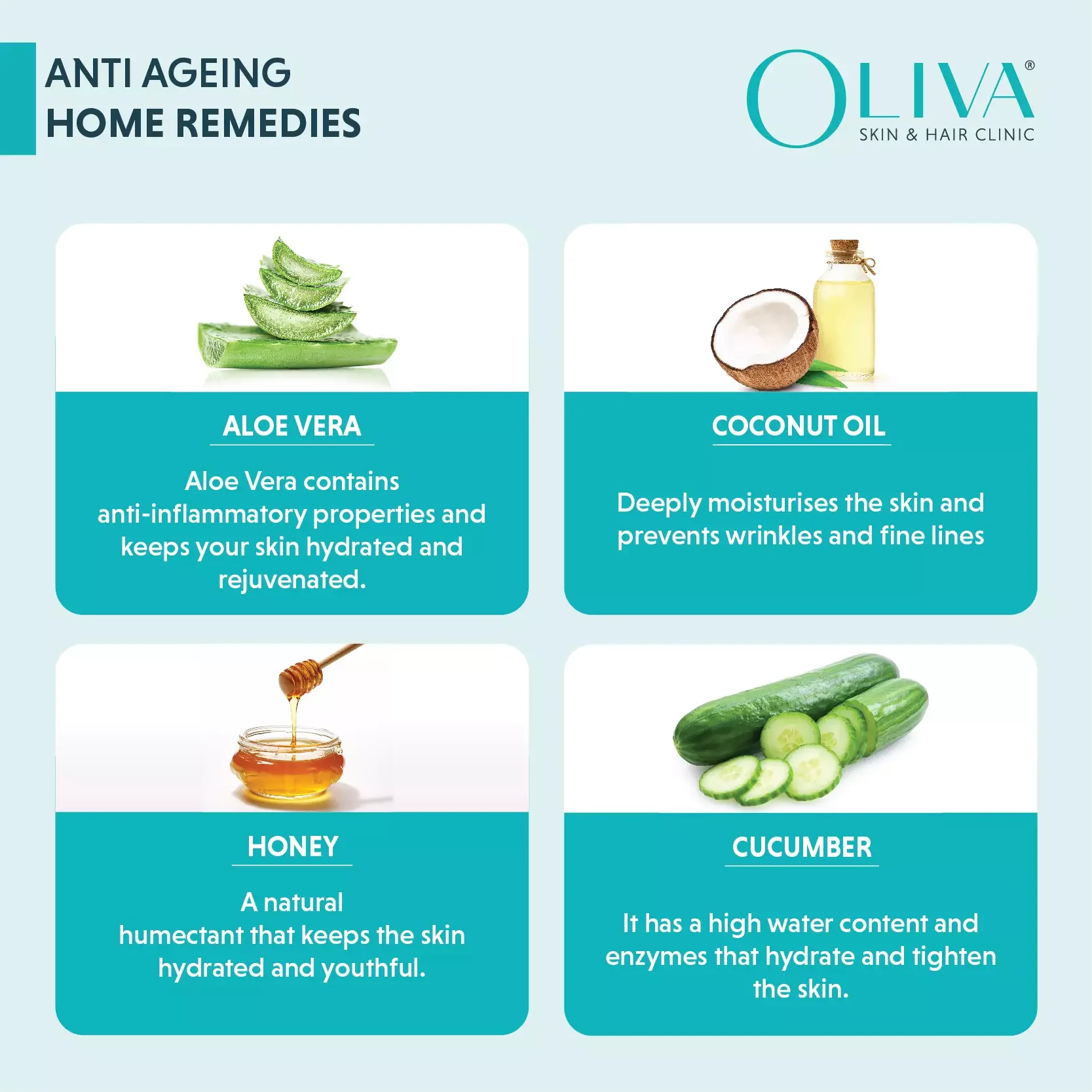
Nature offers some powerful astringents that tighten pores and reduce oiliness. Witch hazel is widely used for its soothing and pore-minimizing effects. Green tea is rich in antioxidants and has anti-inflammatory properties, making it great for calming oily and acne-prone skin. Aloe vera not only hydrates but also balances the skin’s oil production while reducing redness. These botanical ingredients can be found in toners, serums, and moisturizers tailored for oily skin types.
Natural Exfoliants: Jojoba Beads and Willow Bark Extract
Exfoliation is vital for oily skin to prevent clogged pores. Jojoba beads provide gentle physical exfoliation, scrubbing away dead skin cells without causing irritation. Willow bark extract is a natural source of salicylic acid, a beta hydroxy acid that exfoliates inside the pores to clear out excess oil and prevent breakouts. Together, these natural exfoliants help maintain a smoother, clearer skin texture without harsh chemicals.
Incorporating Natural Ingredients into Daily Skincare Products
Choosing the Right Cleanser with Natural Oils Control
When selecting a cleanser, look for formulas containing oil-absorbing clays or gentle botanical extracts. Avoid overly drying products that can leave your skin feeling tight, as this often triggers more oil production. A mild gel or foaming cleanser with ingredients like witch hazel or green tea can effectively remove impurities while maintaining your skin’s natural balance.
Effective Toners and Serums for Oil Balance
Toners infused with natural astringents are ideal to restore skin’s pH and tighten pores after cleansing. Serums that contain willow bark extract or aloe vera offer additional targeted treatment to regulate oil flow and soothe inflammation. These products are lightweight and absorb quickly, making them perfect for layering under moisturizers without causing heaviness.
Moisturizers That Hydrate Without Clogging Pores
There’s a common misconception that oily skin doesn’t need moisturizer, but hydration is crucial. Opt for non-comedogenic, oil-free moisturizers that include soothing ingredients like aloe vera or green tea. These help replenish moisture without adding excess oil or causing breakouts. Gel-based or water-based moisturizers tend to work best for oily skin textures.
DIY Natural Remedies for Oily Skin Texture
Homemade Face Masks Using Clays and Herbal Extracts
Making your own mask at home is a great way to harness natural ingredients directly. A simple mix of bentonite clay with a splash of green tea or aloe vera juice can create a refreshing mask that absorbs oil while calming the skin. Applying this once or twice a week can help clear pores and improve texture without irritation.
Natural Toner Recipes for Daily Use
Creating a homemade toner is easy and cost-effective. Witch hazel combined with a few drops of tea tree or rosehip oil makes an excellent daily toner to control shine and reduce inflammation. Be sure to patch test new mixtures to avoid sensitivity. Using these toners regularly after cleansing can enhance your skincare routine and keep oiliness in check.
Avoiding Ingredients That Worsen Oily Skin
Synthetic Additives and Heavy Oils to Skip
Many commercial skincare products contain synthetic fragrances, sulfates, and heavy oils that may exacerbate oily skin problems. These irritants can clog pores and increase oil production as the skin tries to defend itself. It’s best to avoid products with ingredients like mineral oil, petrolatum, and silicones that create a heavy barrier on the skin.
How Over-Cleansing Can Aggravate Oiliness
It’s tempting to wash oily skin multiple times a day, but over-cleansing disrupts the skin’s natural defenses. When stripped of its protective oils, skin reacts by producing even more sebum, worsening shine and breakouts. Gentle cleansing twice daily with a balanced formula is sufficient for maintaining optimal skin health.


