
Why Posture Matters for Desk Workers
The Impact of Poor Posture on Health
Spending extended hours seated at a desk is a staple of many modern work routines. However, poor posture during these long periods can lead to various health concerns, ranging from minor discomfort to more serious musculoskeletal issues. When posture is compromised, muscles can become strained, joints may experience undue pressure, and circulation can be impeded. Over time, these effects might contribute to chronic pain, headaches, and reduced mobility. Understanding how posture influences overall health is essential for anyone looking to maintain well-being in a sedentary work environment.
Common Posture Problems Faced by Desk Workers
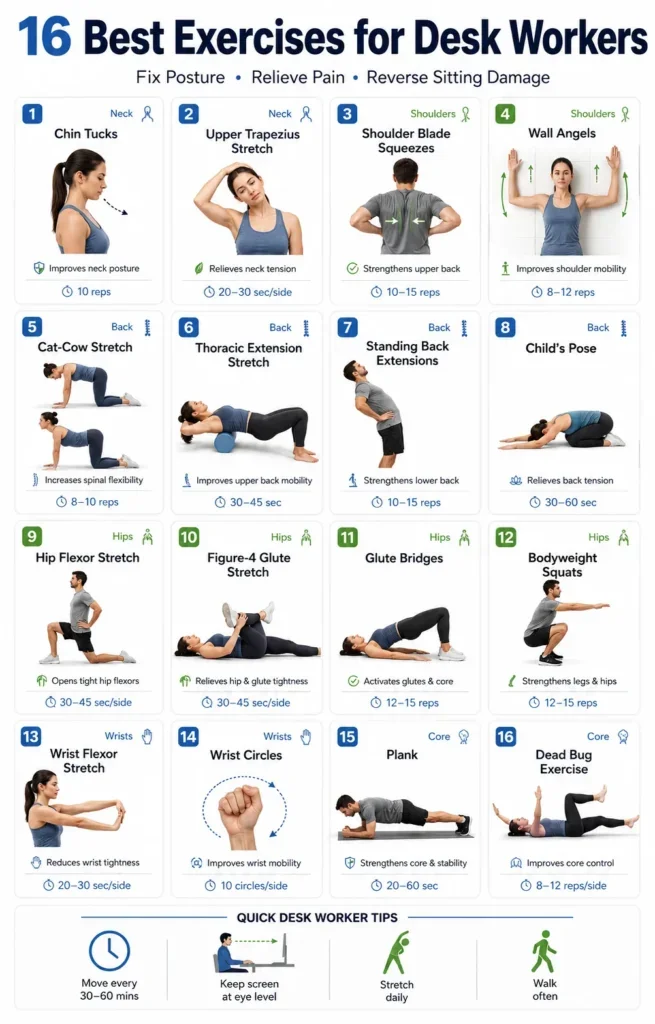
Desk workers frequently encounter specific posture challenges due to the nature of their work setup. One typical issue is forward head posture, where the head juts ahead of the shoulders, causing strain on the neck and upper back. Rounded shoulders are also prevalent, often caused by hunching over a keyboard. Additionally, slouched backs and uneven weight distribution can place stress on the spine and hips. Recognizing these common posture pitfalls is the first step to addressing them effectively.
Getting Started: Preparing for Your 10-Minute Routine
Warm-Up Tips Before Exercise
Before diving into the bodyweight exercises designed to improve posture, it’s important to prepare your body with a brief warm-up. This can involve gentle movements that increase blood flow and loosen up tight muscles. Simple activities like shoulder rolls, neck stretches, or slow arm circles help activate the muscles you’ll be targeting. Spending just two to three minutes warming up can enhance performance during your routine and reduce the risk of discomfort or injury.
Choosing the Right Space for Bodyweight Workouts
Selecting an appropriate space for your exercises is equally essential. Ideally, you want an area that offers enough room to move comfortably without distractions. A clean, quiet spot near your workspace is often convenient, allowing for easy integration of these exercises into your day. Ensuring the surface is stable and non-slippery contributes to maintaining proper form, which is critical for maximizing benefits and avoiding strains.
Top 10 Quick Bodyweight Exercises to Correct Posture
1. Wall Angels
Wall angels help improve shoulder mobility and reinforce good scapular positioning. Standing against a wall, press your lower back, upper back, and head firmly against the surface. Slowly raise and lower your arms, mimicking a snow angel motion while keeping your arms and back in contact with the wall. This exercise encourages proper alignment and counters the tendency to hunch forward.
2. Chest Opener Stretch
The chest opener stretch counteracts tightness in the anterior chest muscles, which can pull the shoulders forward. To perform it, clasp your hands behind your back and gently lift your arms while opening your chest. This stretch promotes an upright posture by lengthening muscles that often become shortened from prolonged sitting.
3. Cat-Cow Stretch
This dynamic stretch mobilizes the spine and encourages flexibility. Begin on your hands and knees, then alternate between arching your back toward the ceiling (cat) and dipping it toward the floor (cow). Moving through this sequence helps relieve tension in the spine, encouraging better posture habits when sitting or standing.
4. Plank with Shoulder Squeezes
The plank targets core stability, a foundation for good posture. While holding a plank position, perform controlled squeezes of the shoulder blades, drawing them together without letting the hips sag. These shoulder squeezes activate upper back muscles and aid in counteracting rounded shoulders.
5. Seated Spinal Twist
This seated stretch promotes spinal mobility and helps reduce stiffness from long sitting periods. Sitting upright, gently twist your torso to one side, using your opposite hand against your knee to deepen the stretch. Hold briefly before switching sides. This movement supports a flexible and balanced spine, crucial for maintaining proper posture.
6. Glute Bridge
Engaging the glute muscles supports the pelvis and lower back alignment. Lying on your back with knees bent, lift your hips toward the ceiling, squeezing your glutes at the top. This exercise corrects posture by strengthening muscles that often weaken due to prolonged sitting.
7. Downward Dog
A yoga-inspired pose, the downward dog stretches the back, shoulders, and hamstrings. From a standing position, bend forward placing hands on the floor and lift your hips upward to form an inverted V shape. This stretch lengthens the posterior chain and alleviates tightness that can contribute to poor posture.
8. Doorway Stretch
Similar to the chest opener but performed at a doorway, this stretch assists in opening tight chest muscles. Place your hands and forearms on the door frame and gently lean forward until you feel a stretch across the chest. This counters the forward hunch often seen in desk workers.
9. Reverse Snow Angels
Lying face down, lift your arms and legs slightly off the ground and slowly move your arms in a wide arc like making a snow angel in reverse. This movement strengthens the upper back and shoulder muscles, helping to stabilize and improve posture.
10. Scapular Retractions
While seated or standing, draw your shoulder blades together and down as if pinching a pencil between them. Hold briefly, then release. This simple but effective exercise reinforces good shoulder positioning and combats rounding.
Integrating the Routine into Your Workday
Setting Timely Reminders
Consistency is key when adopting a new exercise routine, especially during a busy workday. Setting reminders on your phone or computer can prompt you to take short breaks for these posture-improving exercises. Regularly scheduled intervals, such as mid-morning and mid-afternoon, can make it easier to remember and maintain the habit.
Tips for Maintaining Consistency
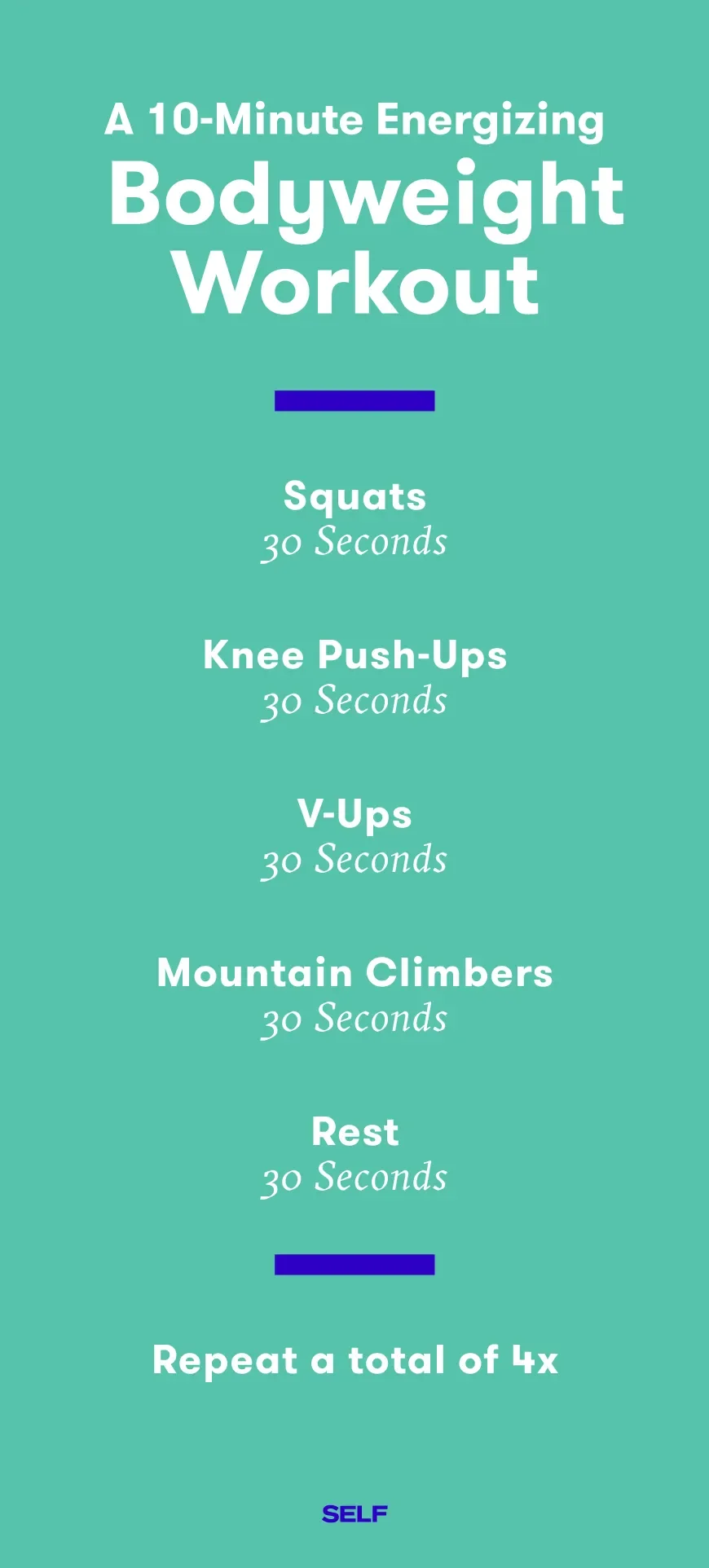
One effective strategy is to pair your routine with existing habits—perhaps right after a coffee break or before lunch. Keeping the exercises brief and manageable encourages adherence over time. Additionally, tracking progress or setting small goals may help sustain motivation, making the routine a natural and rewarding part of your day.
Benefits Beyond Posture: What You Gain
Increased Energy Levels
Engaging in these bodyweight exercises stimulates circulation and activates muscles that might otherwise remain stagnant during long hours of sitting. This revitalization often translates into higher energy levels and improved alertness, helping you stay productive throughout the day.
Reduced Pain and Discomfort
By addressing tight and weak muscle groups, these exercises can lessen common irritations such as neck stiffness, shoulder tension, and lower back pain. While not a medical treatment, moving regularly and promoting better posture may contribute to greater physical comfort in daily life.
How to Track Your Progress
Posture Self-Assessment Techniques
Regularly checking your posture can highlight improvements and identify areas needing further attention. Simple self-assessment methods include standing sideways in front of a mirror to observe ear, shoulder, and hip alignment or asking a friend to take photos to compare over time. These visual cues help maintain awareness and encourage ongoing practice.
Using Technology to Monitor Improvements
Several apps and wearable devices offer tools to monitor posture by providing reminders or feedback when you slouch. Utilizing such technology can complement your exercise routine by reinforcing positive habits throughout the workday. Incorporating these tools may enhance motivation and provide valuable insights into your posture journey.


