
Understanding Hair Damage and the Need for Herbal Rinses
Common Causes of Hair Damage
Everyday life takes a toll on our hair—whether it’s the relentless sun, pollution, heat styling, or chemical treatments like coloring and straightening. Over time, these factors weaken the hair’s natural structure, leaving it dry, brittle, and prone to breakage. For instance, someone who frequently uses a flat iron without heat protection might notice split ends or thinning strands after a few months. Even environmental stressors like hard water and chlorine can strip away the hair’s natural oils, accelerating damage.
How Herbal Rinses Work to Revitalize Hair
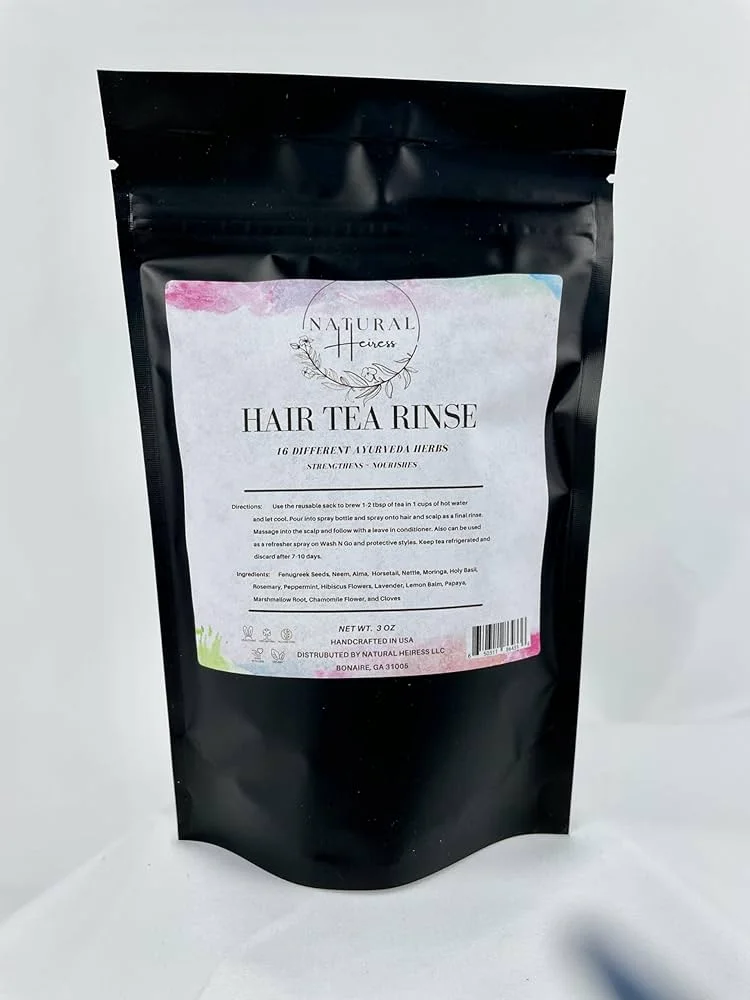
Herbal rinses offer a gentle yet effective way to breathe new life into hair without the harsh effects of chemicals. Unlike commercial hair products laden with sulfates and silicones, herbal rinses harness the botanical properties of plants to strengthen hair from the root to the tip. They often contain antioxidants and vitamins that soothe the scalp, improve circulation, and restore moisture balance. For example, a herbal rinse made with nettle can calm an irritated scalp while stimulating follicle health, encouraging thicker hair growth over time.
Top Herbal Ingredients for Strengthening Hair
Amla: The Indian Gooseberry Powerhouse
Amla has been cherished in Ayurvedic medicine for centuries due to its rich supply of vitamin C and antioxidants. It works by fortifying the hair shaft, reducing protein loss, and adding natural sheen. A friend of mine who struggled with thinning hair started using amla rinses twice a week, and within a few months, she noticed her hair felt stronger and looked fuller, without any greasy residue. Its natural acidity also helps balance the scalp, curbing dandruff and dryness.
Rosemary: Stimulating Growth and Reducing Hair Loss
Rosemary isn’t just an aromatic kitchen herb; it’s a potent ally for hair growth. This herb improves blood circulation to the scalp, delivering essential nutrients to hair follicles and reducing premature hair loss. A hairstylist I know recommends rosemary rinses for clients dealing with thinning hair, especially those recovering from postpartum shedding or stress-related hair fall. Its invigorating properties also leave the scalp feeling refreshed and clean.
Nettle: Nourishing Scalp and Follicles
Nettle is packed with silica, sulfur, and vitamins A and K, providing deep nourishment for both the scalp and hair strands. It helps reduce scalp inflammation and supports natural oil production, creating an ideal environment for healthy hair growth. One woman I met shared how nettle rinses helped calm her itchy scalp caused by eczema, while promoting shiny, resilient hair over time.
DIY Herbal Rinse Recipes for Damaged Hair
Simple Amla and Hibiscus Rinse
Combine dried amla powder with hibiscus petals in boiling water and steep for 20 minutes. Once cooled, this rinse can be poured over freshly washed hair. Hibiscus adds softness and stimulates hair follicles, while amla strengthens and protects. During a stressful work period, I used this rinse weekly and found it prevented hair breakage effectively without weighing down my hair.
Rosemary and Lavender Invigorating Hair Rinse
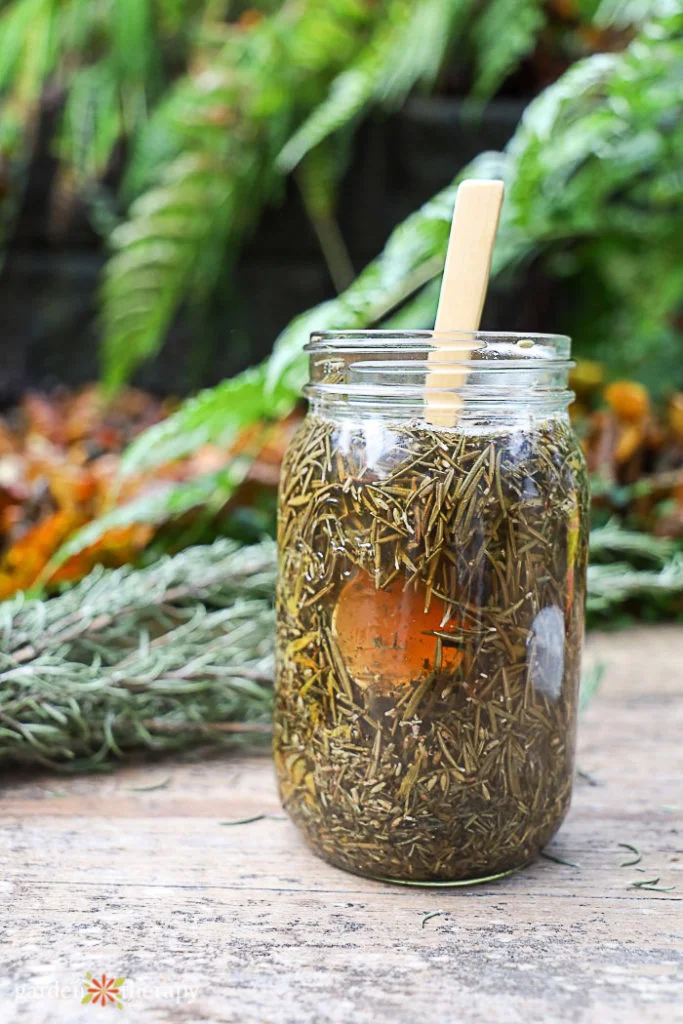
Steep fresh or dried rosemary and lavender buds in hot water for 30 minutes, then strain. Lavender not only imparts a calming scent but also balances scalp oil, complementing rosemary’s stimulating effect. A friend dealing with scalp buildup used this rinse in place of conditioner and noticed less dandruff and more manageable hair texture within weeks.
Nettle and Chamomile Soothing Hair Rinse
For sensitive or irritated scalps, a blend of nettle and chamomile works wonders. Chamomile’s anti-inflammatory properties soothe while nettle nourishes. After color treatments that left my hair dry, this rinse helped restore moisture and calm scalp irritation, encouraging a healthy environment for regrowth.
How to Use Herbal Rinses Effectively
Preparation Tips for Optimal Results
Freshness and concentration matter when preparing herbal rinses. Using freshly dried herbs or freshly steeped teas ensures maximum potency. It’s important to allow the herbs to steep long enough—usually 20 to 30 minutes—to extract beneficial compounds. Avoid boiling the herbs for extended periods as this can degrade delicate nutrients. Filtering the rinse before use also prevents residue that could make hair feel gritty.
Application Techniques and Frequency
Herbal rinses work best when applied to clean, damp hair immediately after shampooing. Gently pour or spray the rinse onto the scalp and hair, massaging softly to ensure even distribution. Unlike conditioners, herbal rinses don’t need to be rinsed out but can be left on to maximize their effects. Depending on hair condition and lifestyle, 1-3 times per week is usually ideal. Overusing herbal rinses might lead to buildup, so adjusting frequency based on your hair’s response is key.
Benefits of Switching to Natural Hair Care
Long-Term Hair Health Improvements
Transitioning to herbal rinses reduces cumulative damage. Over months, many people notice improvements such as reduced hair fall, increased shine, and softer texture. Unlike quick fixes from synthetic products, natural care supports the hair’s intrinsic repair mechanisms, promoting resilient growth and preventing future damage. For example, a customer shared that after six months of using herbal rinses, their previously brittle hair regained flexibility and strength.
Reduction of Chemical Exposure
Modern hair products often contain preservatives, sulfates, and artificial fragrances that can irritate the scalp or weaken hair. Herbal rinses eliminate these risks by providing a clean, chemical-free alternative. This is especially beneficial for those with sensitive skin or allergies, as the natural ingredients usually have fewer side effects. A colleague with psoriasis reported fewer flare-ups after switching to herbal rinses instead of conventional conditioners.
Incorporating Herbal Rinses Into Your Hair Care Routine
Combining with Natural Oils and Masks
For enhanced results, pair herbal rinses with nourishing oils like coconut, argan, or jojoba, and occasional deep-conditioning masks. Oils help seal in moisture, while herbal rinses prepare the hair by soothing and strengthening the scalp. I recommend starting with a once-a-week oil massage before shampooing, then finishing with a rinse. This combination helps combat dryness and improves elasticity, particularly in damaged hair.
Maintaining Consistency for Visible Results
Like any natural treatment, herbal rinses require patience and regular use. Skipping treatments or expecting overnight miracles can lead to frustration. Many users find that after 4 to 6 weeks of consistent use, their hair starts to show noticeable improvements. Incorporating rinses into a weekly ritual—perhaps on a relaxing Sunday evening—can make it easier to stick to the routine and reap the benefits fully.
Additional Tips for Repairing Damaged Hair Naturally
Beyond herbal rinses, minimizing heat styling and harsh chemical treatments greatly supports hair recovery. Protecting hair from sun exposure with hats or scarves can prevent protein breakdown. Eating a balanced diet rich in biotin, omega-3, and vitamins also nurtures hair from within. Importantly, listen to your hair’s needs—sometimes trimming damaged ends is necessary to maintain overall health. By combining these strategies with herbal rinses, the journey to revitalized hair becomes practical and achievable.


