
Introduction to Indoor Gardening for Kids
Why Indoor Gardening is a Great Learning Tool
Many parents and educators struggle to find engaging activities that simultaneously teach children valuable life skills and scientific concepts. Indoor gardening stands out as an excellent learning tool because it combines hands-on involvement with natural curiosity about living things. Children get the chance to witness plant growth firsthand, transforming abstract biology lessons into tangible experiences. This interaction fosters observation skills, patience, and a sense of accomplishment, making complex topics more approachable and enjoyable.
Benefits of Teaching Plant Biology and Responsibility Early
Understanding plant biology from a young age helps kids develop an appreciation for nature and the environment. The responsibility involved in caring for living plants also cultivates discipline and empathy. Many children find joy in nurturing their own little garden, which encourages a positive relationship with science and personal accountability. Early exposure to these concepts can inspire lifelong interests in biology and environmental stewardship, promoting healthier lifestyle choices while building confidence.
Top Easy Indoor Gardening Activities for Children
Growing Herbs on a Windowsill
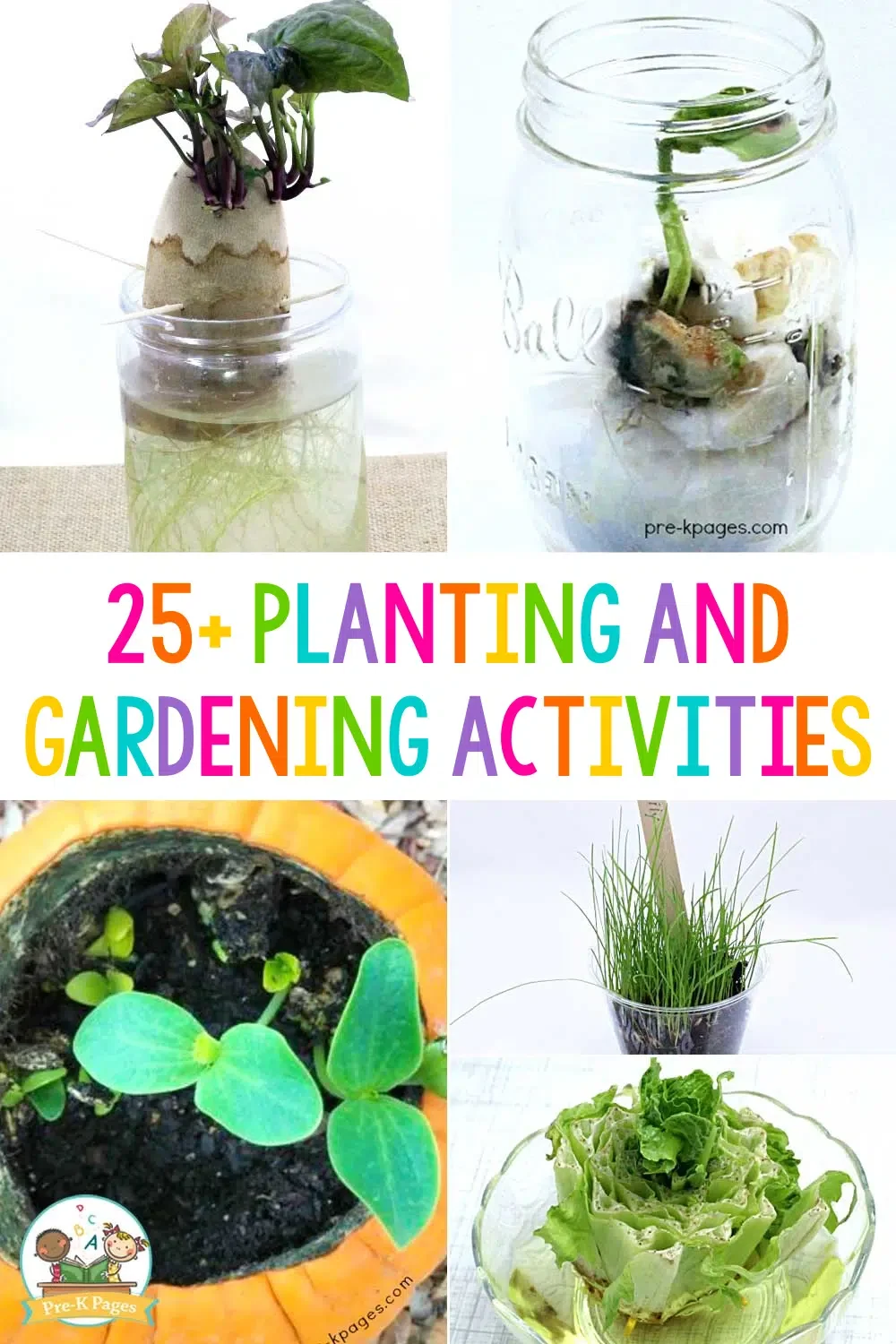
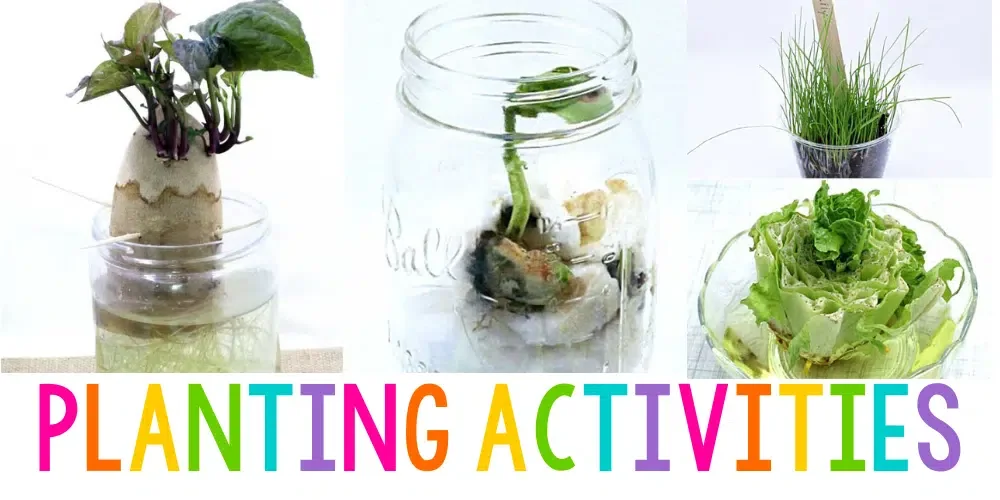
One common problem parents face is finding activities that fit into small indoor spaces. Growing herbs on a windowsill solves this by requiring minimal room and resources. Kids can plant seeds like basil, parsley, or mint in small pots and watch them sprout over days and weeks. This activity not only teaches basic botany but also shows practical uses since herbs can be incorporated into cooking. The cause of success often lies in choosing the right location with sufficient sunlight and providing proper watering.
Planting Seed Pods in Recycled Containers
Encouraging kids to think about sustainability can be challenging. Using recycled containers such as yogurt cups or egg cartons as planters solves this by combining gardening with eco-friendly habits. This approach raises awareness about waste reduction while guiding children through the seed planting process. A common mistake is not preparing the containers with drainage or filling them properly with soil, which can hinder seed growth. Proper preparation ensures healthy plants and teaches responsibility for the environment.
Miniature Terrariums: Building a Self-Sustaining Ecosystem
Many children find the concept of ecosystems abstract, leading to disengagement. Creating miniature terrariums addresses this by building a visible, self-contained environment that demonstrates plant interactions and water cycles. The cause of success in this activity is understanding how condensation and soil moisture work together naturally. Kids learn about balance, photosynthesis, and the importance of maintaining their terrarium’s ecosystem, fostering curiosity about biology and ecology in a controlled setting.
Step-by-Step Guide: Planting and Caring for Indoor Plants
Choosing the Right Plants for Beginners
Starting indoor gardening can be frustrating if plants are chosen incorrectly. Selecting beginner-friendly species like spider plants, pothos, or succulents helps avoid early mistakes because these plants tolerate a range of conditions and require less maintenance. Understanding the plants’ adaptability and light needs is crucial to prevent disappointment and encourage continued interest.
Watering and Light: Understanding Plant Needs
One common challenge for new gardeners is managing watering and lighting properly. Overwatering or inadequate light can stunt growth or kill plants, discouraging kids from caretaking. Explaining how each plant has specific needs clarifies why some require direct sunlight while others thrive in shade. Using simple analogies, like comparing water absorption to how humans drink fluids, helps children grasp these concepts and pay attention to their plants regularly.
Tracking Growth: Simple Experiments to Observe Plant Biology
Keeping kids engaged often means turning plant care into interactive experiments. Measuring growth daily, observing leaf changes, or testing different light exposures encourages critical thinking and scientific observation skills. Documenting results cultivates a deeper understanding of plant biology and the effects of environmental factors. This problem-solving approach makes learning dynamic and reinforces the responsibility needed to nurture living things.
Integrating Responsibility Through Gardening Rituals
Daily and Weekly Care Schedules
Maintaining consistent care can be difficult for children without structure, leading to neglected plants and frustration. Creating daily or weekly routines helps embed responsibility into their schedule gently and effectively. By breaking down tasks like watering, checking soil moisture, or cleaning leaves into manageable habits, kids learn to commit to ongoing care. This structure also helps parents supervise progress without overwhelming the child.
Creating a Plant Care Journal with Kids
Many children find it hard to stay motivated if there is no record of their efforts. Introducing a plant care journal turns responsibility into a creative and reflective activity. Kids can log watering days, sketch plant changes, and note observations, which reinforces learning and commitment. This journaling practice nurtures responsibility and makes the gardening experience rewarding beyond just growing plants.
Using Indoor Gardening to Spark Curiosity About Science
Exploring Photosynthesis with Hands-On Activities
Photosynthesis can seem complex and abstract to children, causing confusion and loss of interest. Hands-on gardening provides a practical way to visualize this process. Demonstrating how plants convert sunlight into energy through their leaves sparks curiosity. Activities like observing leaf color changes or using simple experiments with light exposure clarify the concept and connect science to everyday life.
Understanding Plant Life Cycles Through Observation
Many kids struggle to grasp the continuous nature of life cycles in biology. Watching seeds sprout, grow into mature plants, flower, and produce seeds helps illustrate these stages in real time. Indoor gardening offers a controlled environment for this observation, avoiding seasonal limitations and ensuring repeated learning opportunities. This ongoing process deepens understanding and appreciation for biological rhythms.
Tips for Making Indoor Gardening Fun and Educational
Incorporating Technology and Apps
Some children quickly lose interest in activities without interactive elements. Technology integration, such as using plant care apps or educational games, can enhance engagement and learning. These tools offer reminders, tips, and visual progress tracking that complement hands-on gardening. However, it’s important to balance screen time with physical interaction to maintain genuine connection with plants.
Games and Challenges to Encourage Engagement
Gardening routines might become repetitive and dull if not approached creatively. Introducing games or challenges, like who can grow the tallest herb or identifying insects on leaves, adds excitement and motivation. These playful elements foster enthusiasm while reinforcing biological concepts and responsibility. The key is to keep activities varied and suitable for different learning styles.
Conclusion
Indoor gardening serves as a powerful educational tool that addresses common challenges in teaching plant biology and responsibility to children. By engaging kids with simple, manageable activities, parents and educators can spark curiosity and encourage lifelong learning. Understanding plant needs, establishing care routines, and integrating playful, scientific exploration transform gardening from a chore into an enriching experience. With awareness of potential pitfalls and a focus on interactive methods, indoor gardening can nurture both young minds and healthy plants simultaneously.


