
Understanding Daily Stress and Its Impact
Common Causes of Everyday Stress
Imagine Sara, a working mother juggling a full-time job, family responsibilities, and household chores. Like many, she faces daily stress from balancing deadlines, managing the kids’ schedules, and handling unexpected events. Everyday stress often stems from situations such as heavy workloads, interpersonal conflicts, financial worries, or simply the pressure to keep up with life’s demands. Even small, repetitive stressors—like traffic jams or constant notifications—can build up, contributing to a feeling of overwhelm.
How Stress Affects Mental and Physical Health
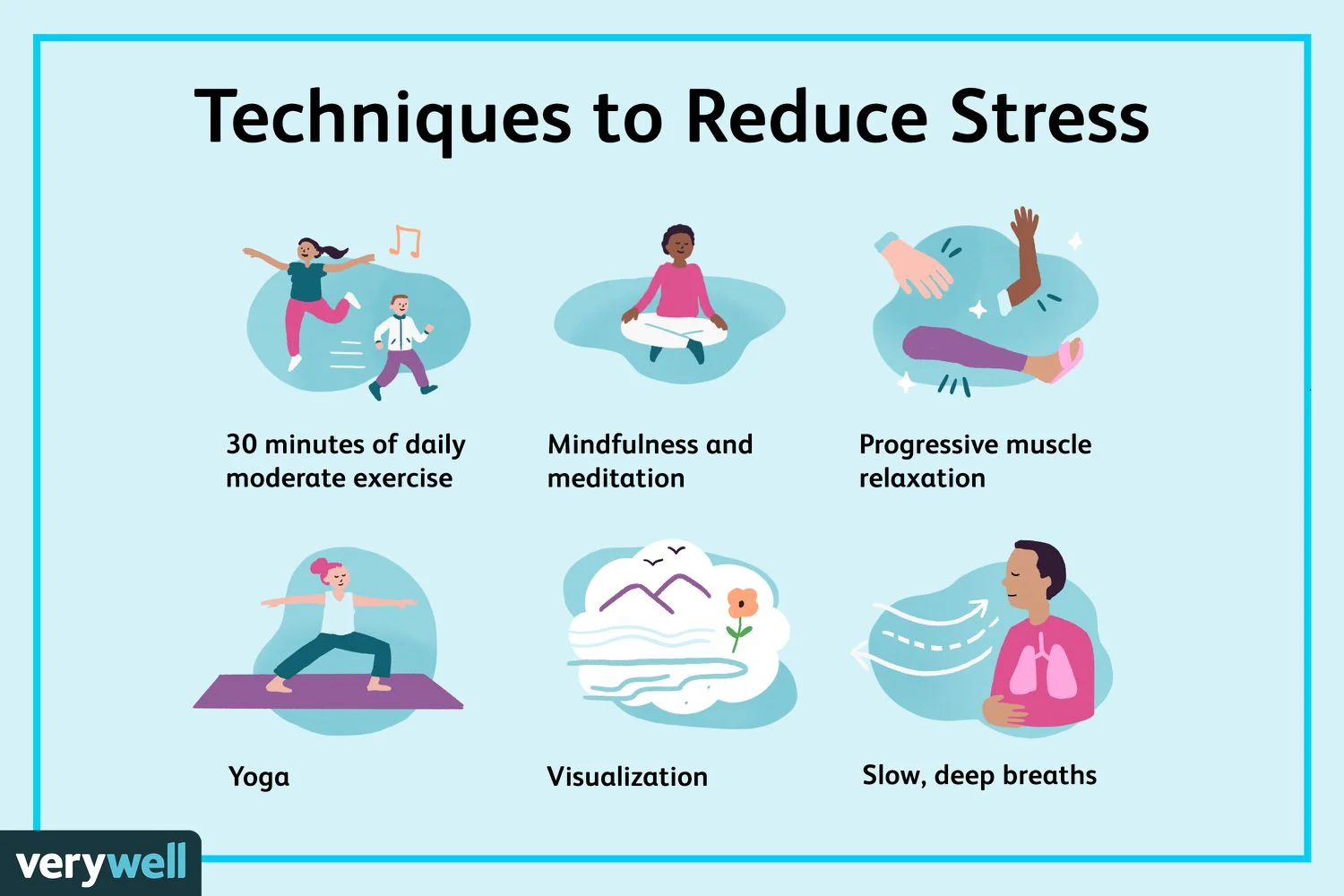
Stress acts like an invisible weight that wears down both mind and body. For John, an accountant, stressful periods during tax season often bring headaches and sleepless nights. When stress lingers, it can impair concentration, reduce emotional resilience, and increase feelings of anxiety or irritability. Physically, chronic stress may lead to muscle tension, fatigue, and in some cases, elevated blood pressure. Recognizing these effects highlights why managing stress is critical to maintaining overall well-being, even through small, accessible practices.
Quick Breathing Techniques to Calm Your Mind
Deep Diaphragmatic Breathing
Picture yourself at your desk, overwhelmed by emails, feeling that tightness in your chest. Taking a moment to focus on deep diaphragmatic breathing can be surprisingly effective. This technique involves breathing deeply into your belly rather than shallowly into your chest. For instance, when Maria felt the afternoon slump coming on, she placed one hand on her stomach and took slow, deep breaths, counting to four as she inhaled, and exhaling fully. This simple practice helped lower her heart rate and brought a sense of calm without needing any equipment or significant time investment.
4-7-8 Breathing Method Explained
Another method gaining popularity is the 4-7-8 breathing technique. It’s easy to perform anywhere and helps quickly reduce anxiety. The process involves inhaling quietly through the nose for a count of 4, holding the breath for 7 seconds, and then exhaling completely through the mouth for 8 seconds. Many people report that repeating this cycle 3-4 times ushers in a notable sense of relaxation. For example, David used it before an important Zoom meeting to quell his nerves, finding it reset his focus and steadied his breathing.
Incorporating Mindfulness into Daily Routines
Simple Mindful Moments During Daily Tasks
Mindfulness doesn’t require setting aside a special hour in your day. Instead, it’s about bringing full attention to routine activities. Take Anna, who often found her mornings rushed and stressful. She began practicing mindfulness by truly noticing the sensation of water during her shower or the aroma and taste of her morning coffee, one sip at a time. These small adjustments transformed ordinary moments into opportunities to ground herself and reduce anxiety, all without adding extra responsibilities to her schedule.
Using Sensory Awareness to Stay Present
Engaging the senses is another way to anchor your mind. When feeling scattered or tense, focusing on sensory details can interrupt stress cycles. For instance, during a work break, Mark concentrated on the soft texture of his chair, the sounds of birds outside, and the cool air on his skin. This brought him fully into the present moment and helped ease the mental clutter that stress often produces, demonstrating how sensory awareness can be a quick, effective tool.
Stretching Exercises for Relaxation Anywhere
Neck and Shoulder Stretches at Your Desk
Physical tension frequently accompanies stress, especially in the neck and shoulders from prolonged sitting. Without leaving your workspace, gentle stretches can provide relief. One example is rolling your shoulders backward slowly, or tilting your head gently toward your shoulder and holding for a few breaths. Lisa, who works long hours at a computer, found that these quick movements reduced stiffness and restored comfort during her day, all without requiring any special equipment.
Gentle Spinal Twists to Release Tension
Spinal twists are another accessible way to release built-up tension. Sitting upright, you can slowly twist your torso to one side, holding the position and breathing deeply before switching sides. James incorporated this stretch into his video call breaks, helping him feel refreshed and less cramped. These movements encourage flexibility and help dispel the physical signs of stress, reinforcing the mind-body connection.
Harnessing Positive Visualization and Affirmations
Creating Personal Affirmations for Stress Relief
Positive affirmations can be a powerful mental tool to counteract stress. Crafting statements that resonate personally, like “I am capable of handling today’s challenges” or “Calmness flows through me with each breath,” can shift one’s mindset gradually. When Emma felt overwhelmed by her project deadlines, she silently repeated her affirmations during brief moments, which helped boost her confidence and lessen self-doubt, demonstrating how these simple phrases offer reassurance without any added cost or time commitment.
Visualization Techniques to Foster Calmness
Visualization involves imagining peaceful, safe places or positive outcomes to instill calm. For example, Robert, who often experienced evening anxiety, closed his eyes and pictured himself on a quiet beach, hearing the gentle waves and feeling the warm sun. This mental imagery served as a mental escape that reduced stress and promoted relaxation, showing how visualization can be incorporated anytime stress surfaces.
Leveraging Routine Adjustments for Stress Reduction
Decluttering Mental Space Through Organization
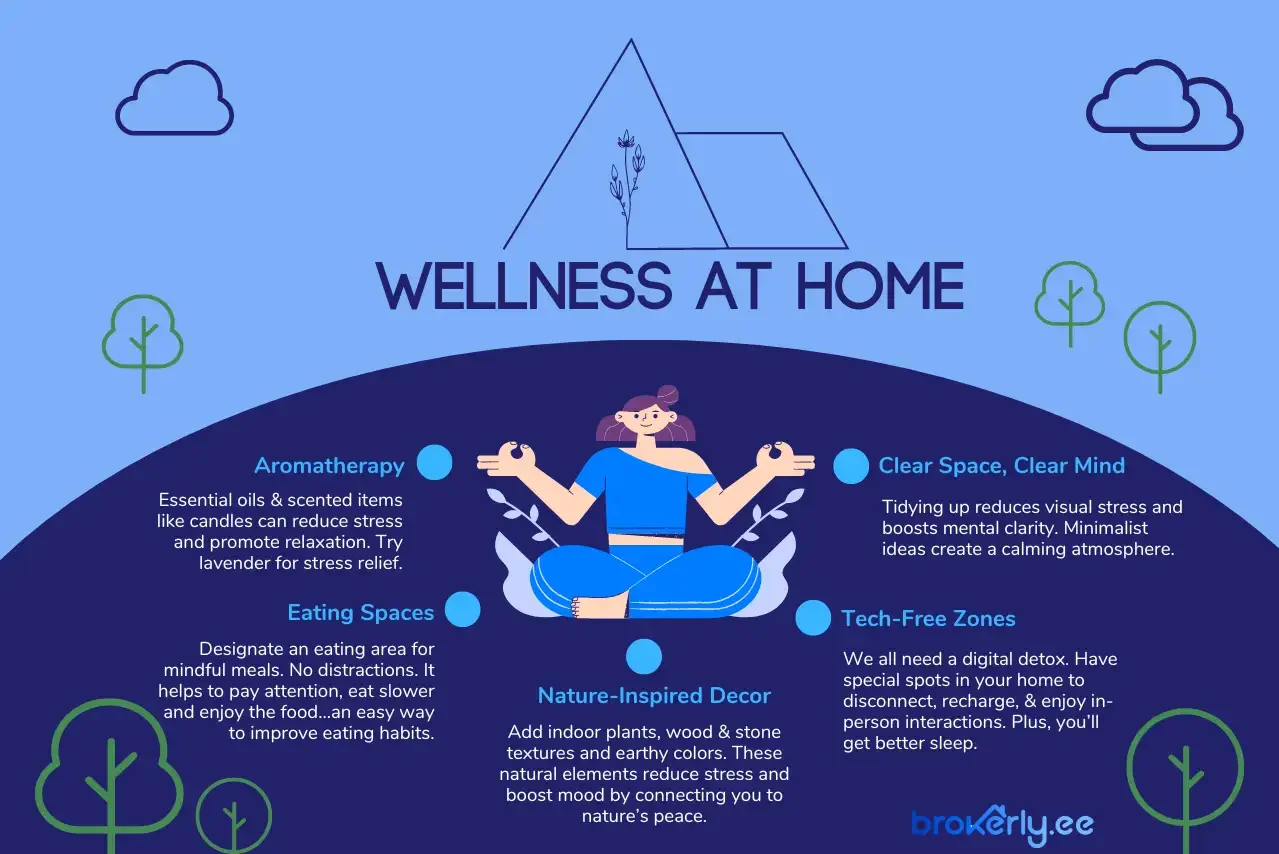
Disorganization can amplify stress by creating chaos both physically and mentally. Julia learned that spending just five minutes each morning tidying her workspace helped clear mental fog. By having a designated place for her notes and keeping her desk minimal, she felt more in control and less distracted, illustrating how small organizational shifts can ease daily pressure without overwhelming your day.
Prioritizing Tasks to Avoid Overwhelm
Trying to tackle everything at once often backfires. Instead, Tom began each day by identifying three essential tasks and focusing on completing those before moving on. This prioritization created a manageable structure, preventing him from feeling buried under his to-do list. By breaking tasks into smaller, achievable parts, he maintained momentum and avoided unnecessary stress, a valuable lesson for anyone facing a busy schedule.


