
Introduction to Time-Blocking in Remote Work
Understanding Time-Blocking
Time-blocking is a productivity technique where you divide your day into distinct segments, dedicating each block to a specific task or activity. Unlike traditional to-do lists, which simply list tasks, time-blocking assigns a fixed period for completing particular duties. This method helps organize time efficiently, creating a structured daily routine that minimizes distractions and enhances focus.
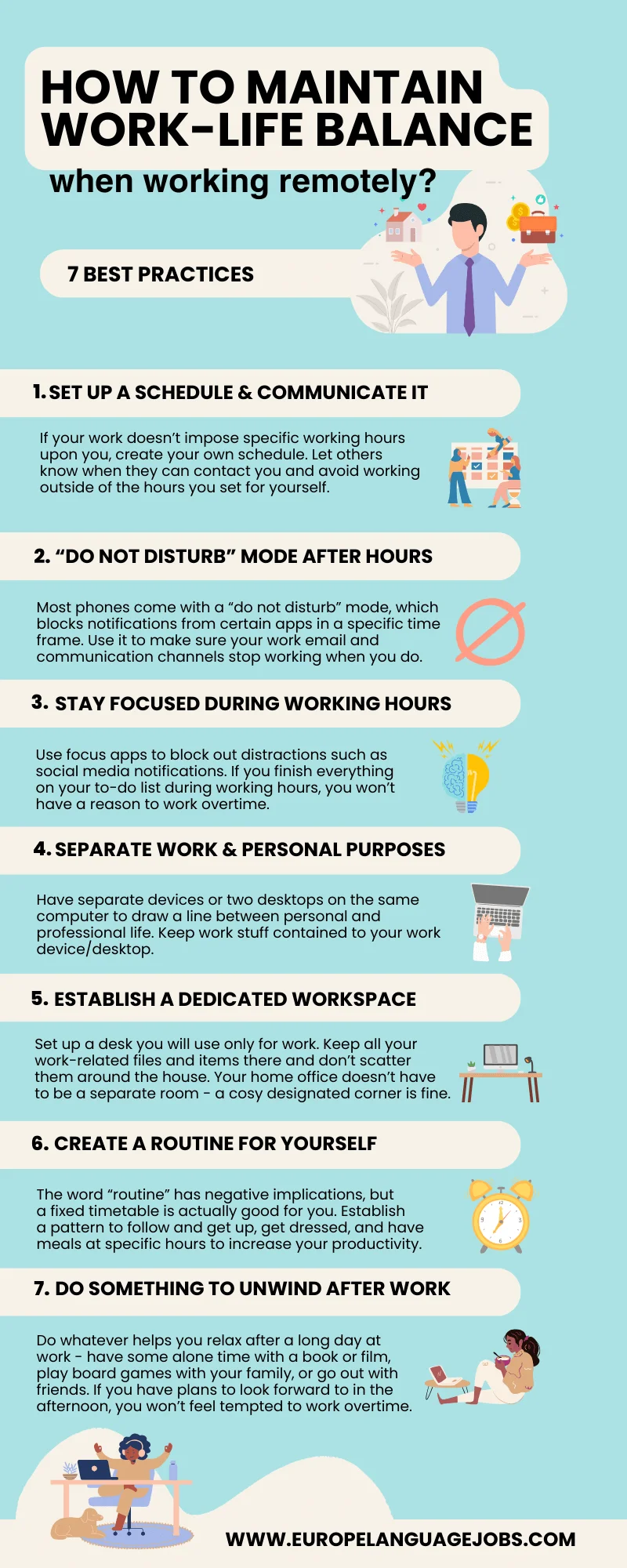
The Challenge of Balancing Work and Personal Life Remotely
Working remotely blurs the boundaries between professional responsibilities and personal life. Without the physical separation of an office or a commute, work hours can easily stretch into personal time, leading to stress and burnout. Finding balance becomes a complex challenge, where disciplines like time-blocking play a crucial role in maintaining control over your schedule and achieving harmony between work demands and personal wellbeing.
Core Principles of Time-Blocking for Remote Workers
Defining Your Priorities
The first step in effective time-blocking is identifying what truly matters. Prioritizing tasks means distinguishing between urgent deadlines and long-term goals. For remote workers, this involves understanding which projects contribute most to your objectives and which personal activities are essential for your rest and happiness. Clear priorities enable targeted time blocks and prevent wasted effort on less important tasks.
Setting Realistic Time Blocks
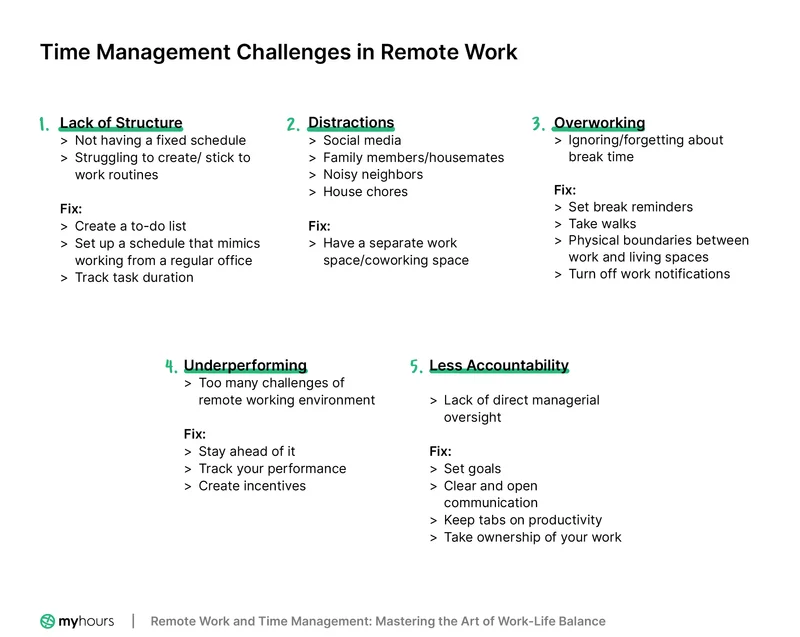
It’s vital to allocate time that realistically matches the complexity of each task. Overestimating your ability to multitask or underestimating how long a job takes can disrupt your entire schedule. Being honest about how much time you need allows you to build a workable plan. This also involves spacing out your day to avoid fatigue, ensuring you have sufficient time for both concentrated work and rejuvenation.
Accountability Within Your Schedule
Having a plan is one thing, sticking to it is another. Accountability helps enforce discipline in following your time blocks. Whether you use digital reminders, share your schedule with a colleague, or simply commit to self-monitoring, you create external or internal checkpoints to keep you on track. This commitment is a cornerstone for sustaining productivity and balance in a remote setting.
Step-by-Step Guide to Creating a Time-Blocked Schedule
Evaluating Your Daily Tasks
Begin by listing all your responsibilities for the day, both professional and personal. Take note of deadlines, meetings, routine duties, and any activities that require mental or physical energy. This comprehensive evaluation provides clarity on how your day unfolds and where your attention is needed most.
Allocating Focused Work Periods
Once your tasks are identified, assign specific time slots to work on them uninterrupted. These focused blocks should align with your peak productivity times. For example, if you concentrate best in the morning, schedule demanding tasks during those hours. Avoid juggling multiple projects within a single block to maximize depth of focus.
Incorporating Breaks and Personal Time
Equally important is to schedule regular breaks to prevent burnout. Insert short pauses after extended work periods to refresh your mind and body. Additionally, reserve time for personal activities such as exercise, family engagement, or hobbies. Respecting these time blocks is essential to nurture your wellbeing and maintain sustained energy throughout the day.
Advanced Time-Blocking Techniques
Theme Days vs. Task Batching
For more advanced scheduling, you can experiment with theme days or task batching. Theme days are where you dedicate an entire day to a particular type of work, such as meetings or creative tasks. This reduces the cognitive load of switching between different kinds of activities. Task batching involves grouping similar tasks into a single block, like responding to emails or making phone calls, which streamlines workflow and minimizes distractions.
Utilizing Digital Tools and Calendars
Modern digital calendars and productivity apps make time-blocking easier to manage and adjust. Tools like Google Calendar, Microsoft Outlook, or specialized apps offer features such as alerts, color-coding, and integration with other task managers. They provide visual cues and flexibility, helping remote workers stay organized and adapt their schedules dynamically as needs change.
Adjusting Blocks Based on Productivity Patterns
Your productivity is not constant throughout the day. By observing your natural energy peaks and troughs, you can adjust time blocks accordingly. For instance, tackle complex or creative tasks when your energy is high and save routine or administrative work for low-energy periods. This tailoring promotes efficiency and better balances effort with output.
Balancing Boundaries: Work vs. Personal Life
Communicating Your Schedule to Others
Transparency is fundamental in maintaining boundaries. Sharing your work schedule with family, friends, and colleagues helps set expectations about your availability. This reduces interruptions during work blocks and signals when you are off-duty, allowing others to respect your focus and personal time.
Creating Physical and Mental Separation at Home
Physical separation, like a dedicated workspace, plays a significant role in mental compartmentalization. When you work in a distinct area, your brain associates that space with work mode, making it easier to transition between professional and personal time. Similarly, rituals such as starting and ending your workday with specific actions help reinforce these boundaries mentally.
Strategies to Avoid Burnout
Even with careful scheduling, burnout is a risk if work overwhelms your personal life. To mitigate this, regularly evaluate your workload and emotional state. Incorporate downtime that is truly disconnected from work communications. Listen to your body’s signals for rest and maintain hobbies or social contacts to recharge emotionally and physically.
Common Pitfalls and How to Avoid Them
Over- or Under-Scheduling
A frequent mistake in time-blocking is packing too many tasks into a day or leaving large unassigned time gaps. Over-scheduling leads to frustration when tasks spill over their allotted time, while under-scheduling wastes valuable opportunities for focused effort. Strive for a balanced layout by tracking how long your tasks realistically take and adjusting your schedule iteratively.
Handling Unexpected Interruptions
Remote work often involves unexpected disturbances, from urgent calls to household distractions. Prepare for these by including buffer periods in your schedule or setting aside flexible blocks that can absorb overruns. Also, communicate your working hours clearly to minimize avoidable interruptions and develop strategies to quickly regain focus after disruptions.
Conclusion: Sustaining Work-Life Balance Through Time-Blocking
Time-blocking is a powerful method for remote workers striving to balance professional duties and personal life. By thoughtfully defining priorities, setting realistic schedules, and remaining accountable, you build a structured framework that supports productivity and wellbeing. Advanced techniques and digital tools further refine this approach, while maintaining clear boundaries and avoiding common pitfalls ensures your schedule remains sustainable. Ultimately, effective time-blocking nurtures a harmonious rhythm, helping you thrive both at work and beyond.


