
Understanding Hair Damage: Causes and Consequences
Common Factors Leading to Damaged Hair
Imagine Sarah, who loves styling her hair every day with hot tools and frequent coloring. Over time, she notices her hair feels brittle and looks dull. This is a familiar situation caused by common factors such as excessive heat exposure, harsh chemical treatments, environmental pollution, and even frequent washing with strong shampoos. These actions strip away the natural oils and weaken the hair structure, leading to damage.

Additionally, poor diet, stress, and lack of proper care amplify the problem. Understanding what causes hair damage is the first crucial step toward effective repair. Recognizing these habits helps guide choices toward healthier hair practices and appropriate products.
How Damage Affects Hair Health and Appearance
When hair is damaged, it loses its natural shine, strength, and elasticity. People like Sarah often find their strands breaking easily or split ends forming quickly. Hair might become frizzy, dry, and lose volume, which affects overall confidence and appearance. Beyond aesthetics, damaged hair can signify underlying scalp issues or nutritional deficiencies, making it a bigger concern than just surface-level damage.
Budget-Friendly Solutions: Myths and Realities
Why Affordable Hair Care Can Be Effective
Many assume that low-cost hair care products are inferior, but that’s not always the case. Lisa, a college student on a tight budget, found success in affordable drugstore brands that contained quality repair ingredients. These products can offer great benefits because they focus on essential ingredients without expensive marketing or packaging. The truth is, a product’s price doesn’t always correlate with its effectiveness.
Affordable options can deliver the moisture, protein, and protection needed for damaged hair when selected carefully. The key is to look beyond price tags and focus on ingredient lists and user reviews to make smart choices.
Warnings: Low-Cost Products to Avoid
However, not all cheap products are worth investing in. Sometimes, extremely low-cost items contain harsh sulfates, alcohols, or synthetic fragrances that can worsen damage. For example, Mike tried a discounted shampoo that promised repair but left his scalp irritated and hair more brittle after a week.
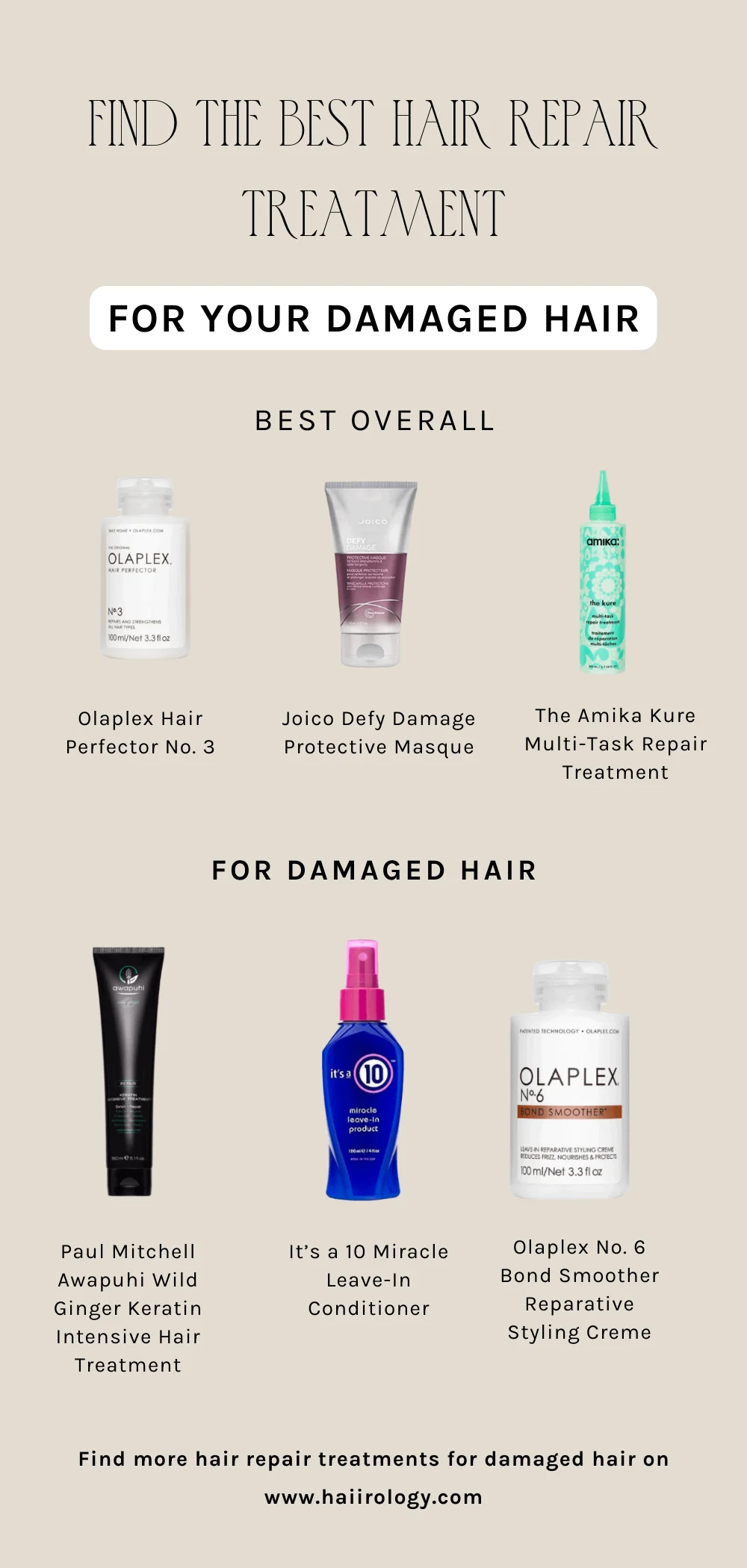
Products overloaded with fillers and lacking nourishing components often do more harm than good. It’s important to avoid these by reading ingredient labels and steering clear of overly aggressive formulas disguised as affordable.
Top Ingredients to Look for in Cheap Repair Hair Products
Natural Oils and Moisturizers
Natural oils like argan, coconut, and jojoba oil are renowned for their moisturizing powers and affordability. Take Emma, who started using a coconut oil-infused conditioner and noticed her dry ends soften dramatically. These oils penetrate hair strands, restoring lost moisture and enhancing shine without weighing hair down.
Aloe vera and glycerin are other effective moisturizers often found in budget-friendly products that help maintain hydration, soothe the scalp, and prevent further breakage.
Proteins and Strengtheners
The repair process needs proteins like keratin, collagen, and silk amino acids to rebuild hair’s internal structure. When John used a protein-rich affordable hair mask twice a week, his weak hair regained resilience and elasticity. Proteins fill in gaps in damaged strands, making hair stronger and less prone to split ends.
Look for hydrolyzed proteins that can easily penetrate hair fibers, providing deep repair even in less expensive formulations.
Best High-Quality Cheap Hair Care Products for Repair
Shampoos and Conditioners with Repair Benefits
For daily cleansing and conditioning, products like OGX Nourishing Coconut Milk Shampoo or Aussie 3 Minute Miracle Conditioner offer reparative benefits without breaking the bank. These options combine moisturizers and proteins, making them excellent for maintaining hair health every wash.
Using a gentle shampoo with sulfate-free formulas helps retain natural oils, while conditioners restore softness and manageability.
Deep Treatments and Hair Masks
Once a week deep treatments can transform damaged hair noticeably. The SheaMoisture Raw Shea Butter Restorative Mask or Garnier Fructis Damage Repairing Treat are examples of affordable masks that pack intensive hydration and protein repair. Their rich textures ease through tangled, dry hair, replenishing nutrients.
Deep conditioning treatments give hair much-needed time to absorb ingredients, aiding long-term strength and shine.
Leave-in Serums and Heat Protectants
Leave-in serums with silicone or natural oils shield hair throughout the day from environmental aggressors and styling. For instance, The Ordinary Multi-Peptide Serum for Hair Density, though budget-friendly, provides a protective layer that prevents further damage.
Heat protectants like TRESemmé Thermal Creations Heat Tamer Spray defend hair from daily heat styling, a major cause of damage. Consistent use helps maintain hair moisture and prevent split ends.
DIY Hair Care Tips Using Affordable Products
Combining Store-Bought Products for Maximum Effect
Maria, juggling a busy schedule and budget, combined a gentle sulfate-free shampoo, a protein-rich conditioner, and a moisturizing leave-in serum to create a balanced routine. This combination allowed her hair to get cleaned without stripping moisture, followed by repair and protection. Mixing these products properly ensures the hair receives comprehensive care.
Layering affordable products with complementary ingredients maximizes their effectiveness, creating salon-like treatments at home.
Home Remedies to Supplement Hair Repair
Aside from store-bought items, simple homemade treatments can enhance repair. Egg masks rich in protein or avocado mashed with honey offer nutrient boosts when applied once a week. These natural remedies, combined with affordable products, create powerful care routines for damaged hair.
Even rinsing with diluted apple cider vinegar helps restore scalp balance and shine, preventing buildup from styling products and pollutants.
How to Choose the Right Product for Your Hair Type
Identifying Your Hair Needs
Choosing the correct product starts with understanding your hair’s unique condition. Is your hair thick and coarse like David’s, requiring heavier moisturizers? Or fine and limp like Nina’s, needing lightweight formulas? Assessing moisture levels, damage severity, and scalp health guides product choice.
Sometimes, a simple scalp problem like dryness can mimic hair damage, so paying attention to symptoms helps tailor care effectively.
Matching Products to Hair Texture and Damage Level
For mild damage, gentle shampoos with light conditioners suffice. Moderate to severe damage may require weekly protein treatments and richer masks. Hair type impacts absorption; curly hair often benefits from heavier oils and creams, while straight hair fares better with lighter leave-ins and serums.
Balancing these needs prevents overloading hair or understimulating recovery, optimizing repair results.
Pro Tips: Maintaining Hair Health on a Budget
Daily Hair Care Routines
Simple steps like using lukewarm water instead of hot, air drying when possible, and not overwashing help preserve natural oils and reduce damage. James implemented these small changes alongside affordable care products and saw his hair become noticeably healthier within weeks.
Brushing hair gently with a wide-tooth comb prevents breakage, especially when hair is wet and prone to snapping.
Preventive Measures to Avoid Further Damage
Beyond repair, prevention is key. Avoiding excessive heat styling, protecting hair from sun exposure with hats or UV sprays, and choosing gentle accessories like silk scrunchies prevent new damage. Adopting these habits ensures that your investment in budget-friendly repair products is not wasted.
Ultimately, combining prevention with affordable, high-quality products creates a sustainable path to healthy, beautiful hair without overspending.


