
Understanding Skin Elasticity: The Basics
What is Skin Elasticity?
Skin elasticity refers to the skin’s ability to stretch and return to its original shape. It is a key factor in youthful and healthy skin, allowing the face to maintain firmness and resist sagging. Over time, natural aging and environmental factors reduce this elasticity, leading to wrinkles and loose skin.
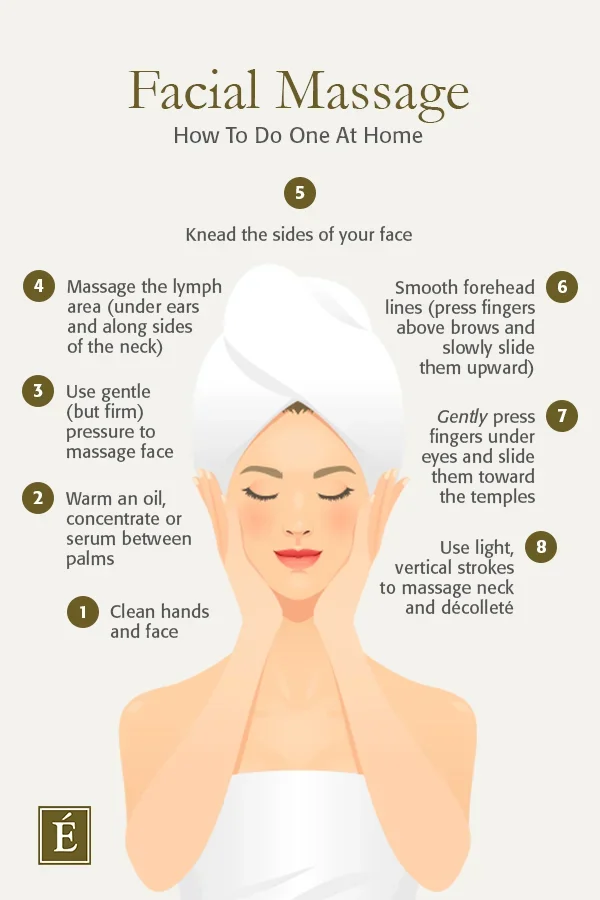
Factors Affecting Skin Elasticity
Several elements influence skin elasticity. Age is the most significant, as collagen and elastin production decrease over time. Sun exposure, smoking, dehydration, and poor nutrition also accelerate the loss of elasticity. Genetics play a role, while stress and lack of sleep can further weaken skin resilience.
Why Facial Massage Helps Enhance Elasticity
Facial massage stimulates blood flow, bringing oxygen and nutrients to the skin. This process encourages collagen production and improves skin tone. By regularly massaging the face, you promote lymphatic drainage, reduce puffiness, and enhance the skin’s ability to recover and remain supple. It supports natural rejuvenation and firmness.
Preparation for Effective Facial Massage
Choosing the Right Oils and Serums

Selecting suitable oils or serums is crucial. Lightweight, non-comedogenic options like jojoba, rosehip, or argan oil work well for most skin types. Serums with antioxidants or hyaluronic acid can boost hydration and improve the massage effect. Avoid heavy or irritating products that might clog pores or cause reactions.
Setting Up a Relaxing Environment at Home
Create a calm atmosphere to maximize benefits. Use soft lighting and play gentle music to relax facial muscles. Sitting in a comfortable, upright position ensures proper technique and reduces tension. A warm towel on the face prior to massage can open pores and soften the skin for better absorption of oils.
Skin Cleansing and Pre-Massage Care
Begin with clean skin to prevent trapping impurities under the oils or serums. Use a gentle cleanser suitable for your skin type. Pat the face dry, then apply the chosen oil or serum to allow smooth hand movements. Proper cleansing also prevents irritation and supports deeper tissue stimulation.
Step-by-Step Facial Massage Techniques
Warm-Up Movements for Relaxation
Start with gentle strokes to relax the face. Use the fingertips to sweep from the center of the chin outward along the jawline. Light tapping with the pads of your fingers around the forehead and cheeks helps awaken the skin. These movements prepare the muscles for deeper massage and improve circulation.
Pinching and Lifting for Firmness
Incorporate small pinching motions using your thumbs and index fingers to gently lift and stimulate the skin. This technique enhances firmness by encouraging skin cells to regenerate. Focus on areas prone to sagging like the cheeks, jawline, and neck, but avoid excessive force to prevent irritation.
Circular Motions to Stimulate Circulation
Use the pads of your fingers to make slow, circular motions across the face. Begin at the nose, moving outward toward the temples and cheekbones. These circles increase blood flow and promote lymphatic drainage, helping to remove toxins and reduce puffiness. Maintain consistent pressure without stretching the skin.
Using Pressure Points to Boost Elasticity
Applying gentle pressure to specific facial points can enhance skin elasticity. Focus on areas such as the temples, under the eyes, and around the mouth. Hold each point for a few seconds to stimulate collagen production and relax facial tension. This practice supports overall skin health and vitality.
Incorporating Facial Massage into Your Daily Routine
Best Times of Day for Facial Massage
Morning and evening are ideal for facial massage. Morning sessions help reduce puffiness and increase circulation, giving your skin a refreshed appearance. Evening massages aid in relaxation and support overnight skin repair. Choose a time that fits your schedule to maintain consistency.
Duration and Frequency Recommendations
Limit facial massage to 5–10 minutes per session, two to three times a week for beginners. Over time, you can increase frequency based on skin tolerance. Regular practice ensures sustained improvement in elasticity without risking irritation or over-stimulation.
Combining Massage with Other Skincare Practices
Facial massage works best when paired with a complete skincare regimen. Apply serums and moisturizers immediately after massage to lock in hydration. Use sunscreen daily to protect from UV damage, which undermines elasticity. Incorporating exfoliation once a week can also enhance product absorption and skin renewal.
Additional Tips to Support Skin Elasticity
Healthy Lifestyle Choices for Skin Health
Maintaining skin elasticity requires holistic care. Stay hydrated, get adequate sleep, and manage stress to support skin repair. Avoid smoking and minimize sun exposure by wearing protective clothing or hats. Regular exercise enhances circulation, benefiting skin tone and resilience.
Foods and Supplements That Promote Elasticity
Nutritious foods rich in vitamins C, E, and omega-3 fatty acids reinforce skin structure. Citrus fruits, nuts, seeds, and fatty fish are excellent choices. Collagen supplements can also support skin firmness when combined with a balanced diet. Prioritize nutrient-dense meals to nourish skin from within.
Common Mistakes to Avoid During Facial Massage
Over-Massaging and Its Consequences
Excessive massage can irritate the skin, cause redness, or worsen inflammation. Too frequent or aggressive movements may lead to broken capillaries or sagging rather than improving elasticity. It’s essential to listen to your skin and limit massage duration and intensity accordingly.
Incorrect Techniques That Can Damage Skin
Improper pressure, pulling, or stretching can damage delicate facial skin. Avoid harsh rubbing or using nails, as these actions can cause microtears and premature aging. Always use smooth, upward strokes and gentle pressure to protect the skin barrier while enhancing elasticity.


