
Introduction to Mindfulness and Anxiety Relief
What is Mindfulness?
Mindfulness is the practice of being fully present in the moment, consciously aware of your thoughts, feelings, bodily sensations, and surrounding environment without judgment. It centers on paying attention intentionally and accepting whatever arises with openness. For beginners, mindfulness can seem abstract or challenging, but its core is simply noticing what is happening here and now.
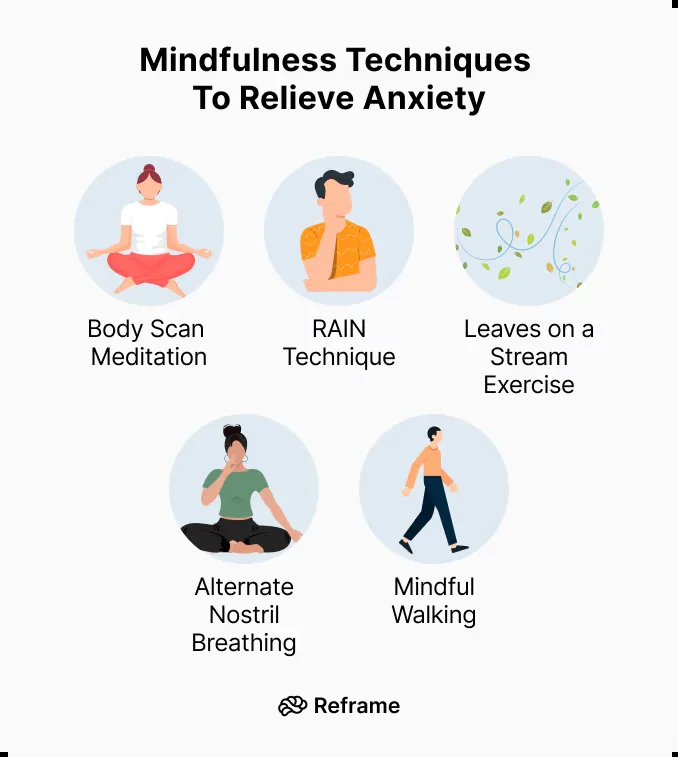
The Connection Between Mindfulness and Anxiety
Anxiety often stems from worries about the future or ruminations about the past, pulling your mind away from the present. Mindfulness can interrupt this cycle by grounding your awareness in the current moment, reducing the overwhelming flood of anxious thoughts. By cultivating acceptance and non-reactivity, mindfulness encourages a calmer response to anxiety triggers rather than avoidance or panic.
Why 5 Minutes Can Make a Difference
Many people assume mindfulness requires lengthy meditation sessions, which can be intimidating and difficult to fit into busy schedules. However, even a brief, focused practice of five minutes can offer tangible relief. Short exercises lower barriers to entry, making mindfulness accessible and easy to integrate. Consistent short sessions can rewire your response to stress, helping you regain control during anxious moments.
Quick Mindfulness Techniques to Try at Home
Breath Awareness Exercise
A common source of anxiety is shallow or irregular breathing, which can exacerbate feelings of panic. Breath awareness encourages you to slow down and pay attention to each inhale and exhale. Simply sit comfortably, close your eyes if helpful, and notice the natural rhythm of your breath. When your mind wanders, gently bring your focus back. This exercise calms the nervous system by activating the parasympathetic response.
The 5-4-3-2-1 Grounding Method
This technique distracts the mind from anxiety by engaging the five senses. Start by identifying 5 things you can see around you, then 4 things you can touch, 3 things you hear, 2 things you smell, and finally 1 thing you taste. The sensory engagement pulls you into the present and interrupts negative thought spirals. It’s a powerful and practical tool when anxiety feels overwhelming.
Body Scan for Relaxation
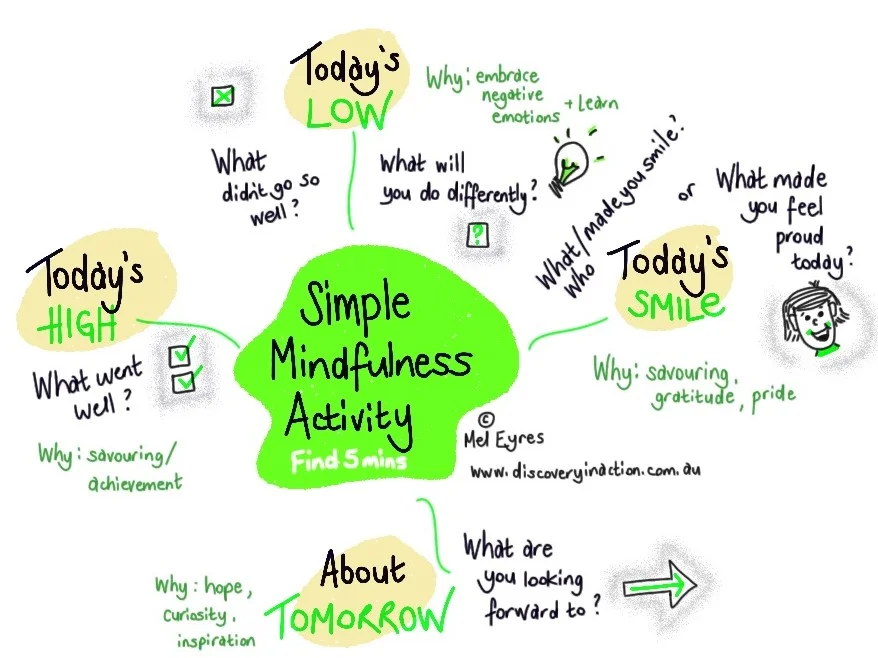
Anxiety often creates tension in the body without us realizing it. A brief body scan involves mentally checking in with different areas, from your toes to your head, noticing tightness or discomfort. By consciously relaxing each muscle group, you release physical tension that feeds anxious feelings. This process fosters a deeper mind-body connection and provides a quick way to reset when stressed.
Guided Imagery Visualization
Using imagination to visualize peaceful settings or positive experiences helps divert your mind from anxious thoughts. Picture yourself in a calm place like a beach, garden, or forest, imagining detailed sights, sounds, and smells. This mental escape reduces anxiety by inducing relaxation and shifting attention away from worries. Guided recordings or simple self-led imagery can make this exercise effective and accessible.
Setting Up a Mindful Space in Your Home
Choosing a Quiet Location
Practicing mindfulness benefits greatly from a calm environment free from distractions. A quiet corner, a cozy chair, or a spot near a window with natural light can become your dedicated mindful space. The consistency of returning to the same place helps create a mental cue for relaxation. If noise is unavoidable, consider soft background music or white noise to maintain focus.
Using Props and Aromatherapy to Enhance Calm
Simple items like cushions, blankets, or a yoga mat can make your mindfulness practice physically comfortable, encouraging you to settle in easily. Aromatherapy with essential oils such as lavender, chamomile, or eucalyptus can further promote calm by engaging your sense of smell. These sensory enhancements support a soothing atmosphere and make it easier to enter a mindful state swiftly.
Incorporating Mindfulness into Your Daily Routine
Morning Mindfulness Rituals
Starting your day with a brief mindfulness practice sets a peaceful tone and boosts emotional resilience. You might begin by focusing on your breath, expressing gratitude, or simply observing your thoughts without judgment. Even five minutes before getting out of bed can reduce morning anxiety and enhance clarity for the tasks ahead.
Mindful Breaks During Work or Study
Stressful work or study sessions can fuel anxiety if left unchecked. Taking short mindful pauses throughout the day interrupts tension build-up and refreshes mental focus. Use the 5-4-3-2-1 grounding method or a mini body scan during breaks to reconnect with the present moment. These small resets can improve productivity and prevent burnout.
Evening Wind-Down Practices
Nighttime is often when anxiety intensifies, making it hard to relax or fall asleep. Incorporating mindfulness into your evening routine signals to your body that it’s time to unwind. Gentle breathwork, guided imagery, or a brief gratitude reflection can ease mental clutter. Regular practice improves sleep quality and reduces nighttime anxiety flare-ups.
Tracking Your Progress and Staying Consistent
Using Journals or Apps for Mindfulness
Consistency is key to reaping the benefits of mindfulness. Keeping a journal where you note your practice times, feelings, and any changes in anxiety levels can motivate ongoing engagement. Alternatively, mindfulness apps provide guided meditations, reminders, and progress tracking to support your routine. Monitoring your journey helps identify what works best and keeps you accountable.
Adjusting Exercises to Fit Your Needs
Not every technique suits everyone equally, and anxiety symptoms can vary day-to-day. It’s important to remain flexible and adapt exercises according to your mood and schedule. For instance, some days might call for longer breath awareness, while others benefit more from grounding methods. Experimentation ensures mindfulness remains a helpful, tailored tool rather than a rigid task.


