
Why One-Pot Meals Are Perfect for Busy Families
Time-Saving Benefits
Imagine coming home after a long day, juggling work deadlines and school pickups, and still needing to prepare a wholesome dinner for your family. One-pot meals shine in these moments by drastically cutting down cooking time. Since you only use a single pot or pan, everything cooks together—protein, vegetables, and starch—streamlining the process. For example, a quick chicken and vegetable stew can simmer while you unpack groceries or help with homework, freeing up precious time.

Minimizing Cleanup
Parents often dread the mountain of dishes that follow dinner, especially when everyone is tired. One-pot meals simplify this by containing the cooking process in one vessel. Instead of washing multiple pans, pots, and utensils, you only clean one dish. This not only saves time but also reduces post-meal stress, helping make family evenings more relaxing and enjoyable.
Ensuring Nutritional Balance
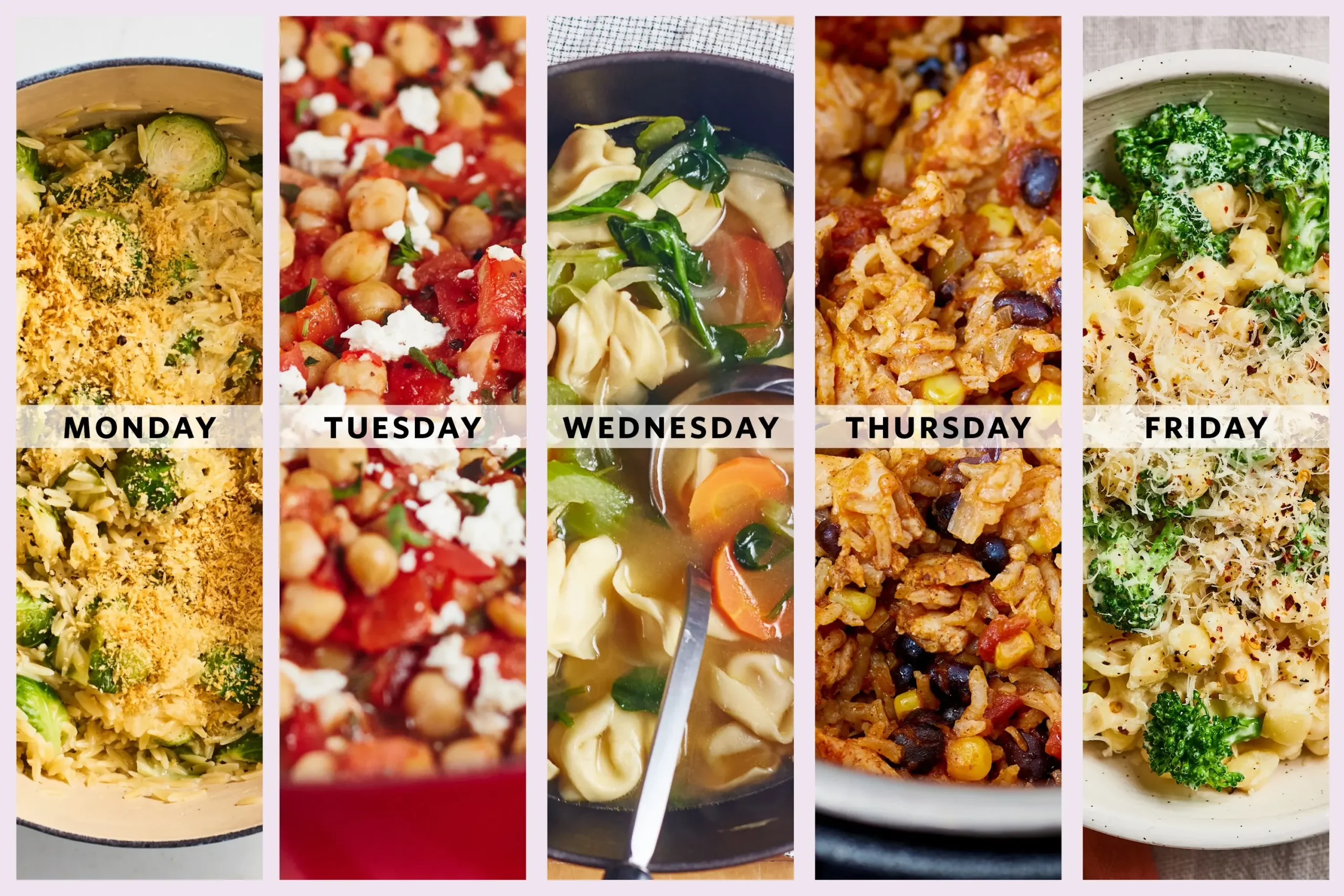
Busy families sometimes resort to fast food or highly processed options due to convenience, sacrificing balanced nutrition. One-pot meals offer a practical solution by combining essential food groups in one dish—lean proteins, colorful vegetables, and whole grains—ensuring that each meal supports the family’s health. For instance, a quinoa and black bean chili packs fiber, plant-based protein, and vitamins into a single pot, satisfying everyone’s nutritional needs with ease.
Key Components of Balanced One-Pot Meals
Including Protein Sources
Proteins are the building blocks for growing children and essential for sustaining energy levels. Including lean meats like chicken or turkey, plant proteins such as beans and lentils, or seafood like salmon in your one-pot meals helps maintain muscle health and keeps hunger at bay. Take the beef and sweet potato skillet, for example, which combines hearty beef strips with nutrient-rich sweet potatoes to fuel an active family day.
Incorporating Vegetables and Fruits
Colorful vegetables and occasional fruits add vital vitamins, minerals, and fiber to meals. They bring texture, flavor, and visual appeal, making meals exciting for kids who might otherwise be picky eaters. Think of the vegetable and lentil curry, where vibrant vegetables meld with spices to create an inviting aroma and taste that encourages children to try new foods.
Choosing Healthy Carbohydrates
Carbohydrates are the body’s preferred energy source, but choosing whole grains like brown rice, quinoa, or whole wheat pasta can improve digestion and provide longer-lasting energy. For instance, the salmon and brown rice bake balances the omega-3 fatty acids of fish with the slow-releasing energy of brown rice, supporting brain function and stamina for school-aged children.
Top 7 Simple One-Pot Recipes for Families on the Move
Hearty Chicken and Vegetable Stew
This classic stew brings together tender chicken pieces, carrots, potatoes, and peas simmered in a savory broth. It’s a perfect make-ahead meal that freezes well, making busy weeknights manageable. My neighbor swears by this recipe for busy Mondays when both kids’ after-school activities clash.
Quinoa and Black Bean Chili
A flavorful, protein-rich vegetarian option, this chili combines quinoa, black beans, tomatoes, and spices. It’s hearty enough to satisfy meat eaters and a great way to sneak in extra fiber and antioxidants. A family friend shared how this recipe helped her teenage son gradually enjoy meatless meals one night a week.
One-Pot Mediterranean Pasta
Brimming with olives, cherry tomatoes, spinach, and whole wheat pasta, this dish balances taste with nutrition. Toss in some chickpeas or grilled chicken for protein. It’s an approachable recipe that even novice cooks can master, perfect for spontaneous dinners when guests drop by unexpectedly.
Vegetable and Lentil Curry
Rich with spices and nutrients, this curry blends lentils with seasonal vegetables to create a warming, healthful meal. It’s effortless to prepare and reheats beautifully. A colleague always packs it as lunch for her kids, citing its vibrant flavors and sustained energy benefits during school days.
Beef and Sweet Potato Skillet
This skillet meal is a one-pan wonder that brings together ground beef, diced sweet potatoes, and bell peppers. It’s loaded with iron, beta-carotene, and fiber. I once prepared this for a family brunch, and the kids loved how the natural sweetness of the potatoes complemented the savory beef.
Salmon and Brown Rice Bake
Combining omega-3-rich salmon with fiber-rich brown rice and mixed vegetables, this bake is both nutritious and satisfying. Easy to assemble, it’s perfect for Sundays when you want to prepare meals for the week ahead. A friend’s toddler started eating fish regularly thanks to this gentle-flavored dish.
Breakfast Egg and Veggie Casserole
This versatile casserole includes eggs, spinach, tomatoes, and cheese, offering a protein-packed start to the day. It can be prepped the night before and quickly reheated in the morning. For many families I know, it has become the go-to weekend brunch that fuels weekend adventures.
Meal Planning & Prep Tips for Optimal Convenience
Batch Cooking and Storage
Taking a few hours on weekends to prepare large batches of one-pot meals can ease weekday pressures. I’ve seen busy parents slice ingredients and cook in bulk, then portion meals into containers that store well in the fridge or freezer. This approach reduces last-minute cooking stress and ensures nutritious options are always ready.
Shopping Lists Focused on Balanced Nutrition
Creating shopping lists emphasizing proteins, fresh or frozen vegetables, and staple grains helps maintain a balanced pantry. When a friend started organizing her grocery runs around these lists, meal prep became faster and more creative, avoiding the trap of buying convenience foods that lack nutrients.
Quick Ingredient Swaps for Variety
To avoid mealtime boredom, swapping ingredients based on what’s available or in season can keep dishes fresh. For example, replacing sweet potatoes with butternut squash or black beans with chickpeas in your recipes introduces new flavors while maintaining nutrition. I’ve used this technique regularly to adapt recipes to my family’s taste preferences without extra effort.
How One-Pot Meals Support Family Health Goals
Managing Portion Sizes
One-pot meals naturally encourage portion control since the ingredients are cooked together and portioned out before serving. This can prevent overeating and support healthy weight management. In a family I know, this method helped the children understand appropriate serving sizes, leading to better eating habits over time.
Encouraging Kids to Try New Foods
One-pot meals blend flavors so that the taste of unfamiliar vegetables or grains isn’t overwhelming, making kids more willing to try them. For example, the mild spices in the vegetable and lentil curry or the colorful pasta dishes can entice even the pickiest eaters. Sharing meals that mix known favorites with new ingredients eases children into healthier diets.
Conclusion: Making Nutritious One-Pot Meals a Family Habit
For families on the go, one-pot meals offer an excellent way to consistently deliver balanced nutrition without sacrificing time or energy. Their simplicity, versatility, and convenience help turn nutritious cooking into a manageable routine rather than a chore. By incorporating diverse proteins, vegetables, and whole grains, and adopting smart meal planning strategies, busy households can enjoy wholesome, comforting meals that support their health goals. Ultimately, making these meals a regular habit nurtures not only better nutrition but also shared moments around the dinner table that families cherish.


