
Introduction to Time-Saving Grocery Lists
Starting a new routine can feel overwhelming, especially when it involves changing how you eat. Time-saving grocery lists offer a simple way to ease into healthy meal preparation without spending hours in the store or kitchen. By planning ahead and knowing exactly what you need, you can reduce stress, avoid impulse buys, and make your cooking experience smoother and more enjoyable.
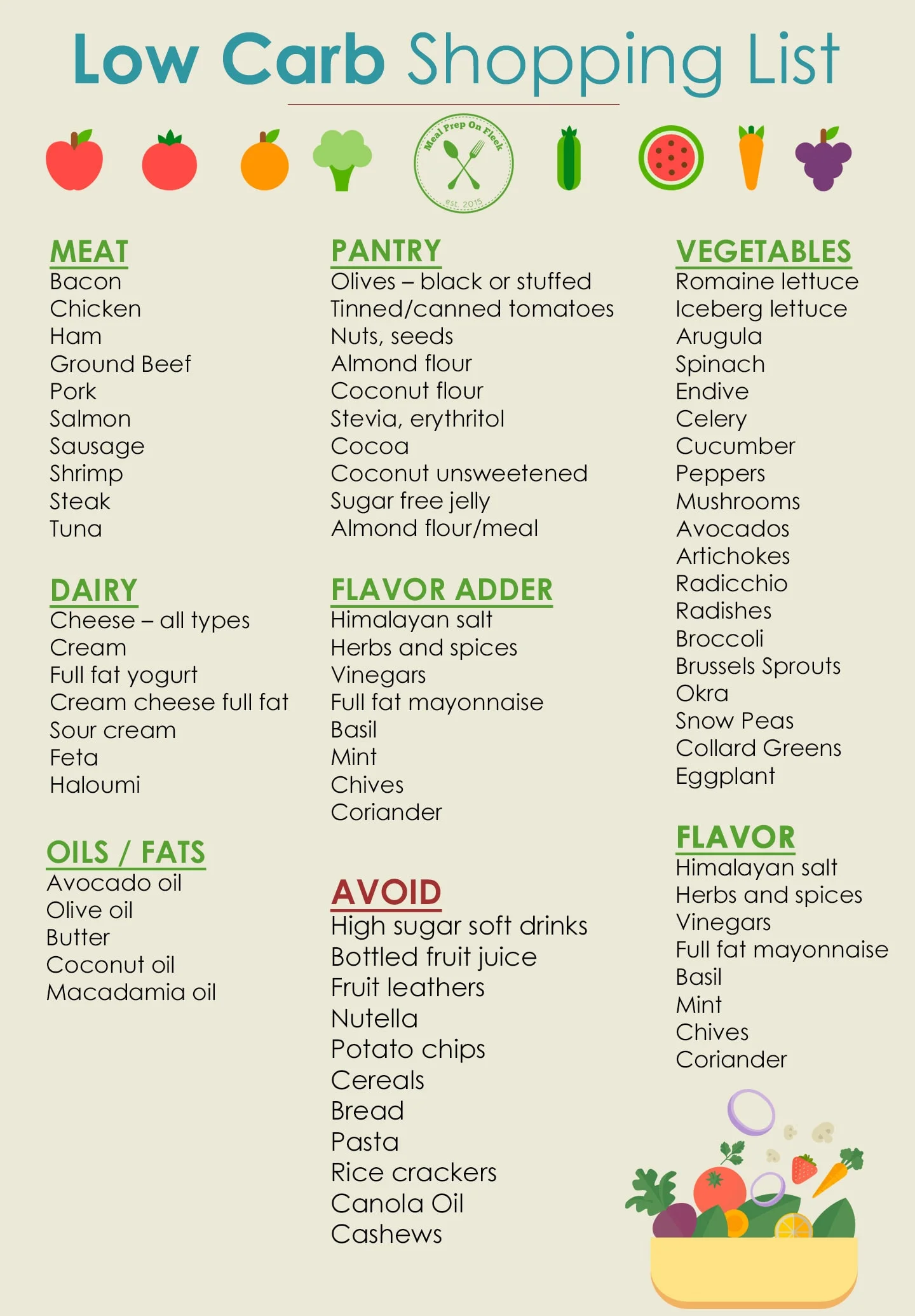
For those new to meal prepping, having a focused grocery list is a game changer. It streamlines the shopping process, helps keep your budget intact, and encourages healthier choices. This article is designed to guide beginners through creating inexpensive, efficient grocery lists that support a nutritious lifestyle.
Benefits of Meal Prepping for Beginners
How Meal Prep Saves Time
One of the biggest perks of meal prepping is the time it saves throughout your week. Instead of scrambling to decide what to cook every day, you invest a little time upfront to prepare multiple meals at once. This means less time spent on daily meal decisions, cooking, and cleaning.
Meal prepping allows you to batch cook ingredients or full meals, which is especially helpful during busy weekdays or unpredictable schedules. When meals are ready to grab and go, you avoid last-minute takeout or unhealthy convenience foods.
Cost Efficiency in Healthy Eating
Eating healthy on a budget is possible with thoughtful meal planning. When you prepare your meals in advance and shop with a clear list, you reduce food waste and avoid costly impulse purchases. Buying ingredients in bulk or choosing seasonal produce can further stretch your dollars.
By focusing on inexpensive staples and versatile items, you create meals that nourish without breaking the bank. Meal prepping also helps you control portions, reducing overspending on unnecessary extras and ensuring your ingredients are used efficiently.
Creating Your First Inexpensive Grocery List
Essential Pantry Staples for Healthy Meals
Building a solid foundation for healthy meal prep starts with stocking your pantry wisely. Look for versatile staples that serve as building blocks for many dishes, such as whole grains, canned beans, and dried lentils. These items have a long shelf life and offer excellent nutritional value.
Don’t forget basics like olive oil, spices, and garlic. These help add flavor without adding expense or unhealthy ingredients. Keeping a balanced pantry means fewer trips to the store and more creative freedom in the kitchen.
Budget-Friendly Protein Sources
Protein is a crucial part of any healthy meal, but it doesn’t have to be expensive. Affordable options like eggs, canned tuna, and legumes are great places to start. These choices provide essential nutrients and can be easily incorporated into a variety of dishes.
For those who include meat, consider buying larger cuts and portioning them yourself. This approach can save money compared to pre-packaged portions. Additionally, frozen chicken or fish can be budget-friendly options when planned ahead.
Seasonal Vegetables and Fruits to Include
Choosing fruits and vegetables that are in season is not only better for your wallet but also ensures fresher and tastier meals. Seasonal produce often costs less because it’s more abundant and requires less transportation.
Incorporate a variety of colorful vegetables into your list, such as leafy greens, carrots, bell peppers, and root vegetables. These can be eaten raw, roasted, or added to soups and stews. Seasonal fruits like apples, citrus, or berries can be a healthy snack or dessert option.
Sample Grocery Lists Tailored for Quick Meal Prep
List for Vegetarian Newbies
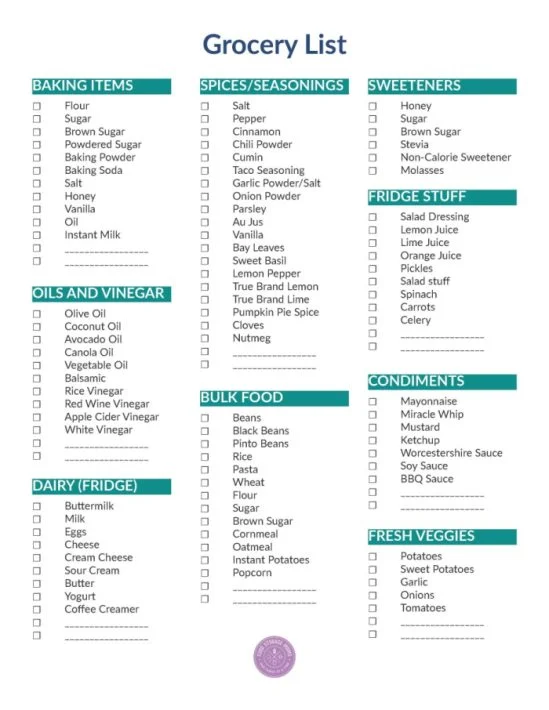
For those embracing plant-based eating, focus on beans, lentils, tofu, and whole grains like quinoa or brown rice. Fresh vegetables like spinach, tomatoes, and zucchini pair well with these proteins. Stocking up on nuts and seeds also helps add texture and healthy fats.
This kind of list supports easy meals such as stir-fries, grain bowls, and hearty salads, all of which can be prepared in bulk and stored for the week ahead.
List for Meat and Fish Lovers
Meat and fish lovers can balance their grocery lists by including lean options like chicken breasts, ground turkey, and frozen fish fillets. Pair these with vegetables such as broccoli, sweet potatoes, and asparagus. Including whole grains and legumes ensures your meals are well-rounded.
Cooking proteins in large batches and combining them with different sides each day keeps meals interesting without extra effort.
List for Gluten-Free Beginners
Those new to a gluten-free diet should prioritize naturally gluten-free staples like rice, potatoes, and corn. Fresh fruits and vegetables, along with lean proteins such as eggs and fish, are key components. Gluten-free flours or oats can be used for baking and breakfast options.
Being mindful of labels and adding these items to your grocery list simplifies shopping and helps maintain a balanced diet without gluten.
Tips to Maximize Savings at the Grocery Store
Using Coupons and Apps Effectively
Taking advantage of digital coupons and grocery store apps can significantly cut costs. Many stores offer personalized deals based on your shopping habits, which means you can save on items you already need. It’s worth spending a few minutes before heading out to clip coupons or check for promotions.
Some apps also allow you to compare prices across different stores, helping you plan where to shop for the best deals.
Buying in Bulk and Food Storage Hacks
Purchasing staples in bulk can lower your per-unit cost, especially for items like grains, nuts, and frozen produce. However, this only pays off if you have the storage space and can use the food before it spoils.
Investing in airtight containers and learning proper storage techniques helps extend the life of your groceries. Freezing leftovers or ingredients in portions can prevent waste and make it easier to grab prepared meals on busy days.
Conclusion: Starting Your Healthy Meal Prep Journey
Embarking on meal prep doesn’t require a complete lifestyle overhaul. With thoughtful grocery lists focused on time-saving and budget-friendly choices, even beginners can enjoy the benefits of healthy cooking. Remember, the key is planning ahead, choosing versatile ingredients, and staying flexible.
By gradually incorporating these strategies, you’ll find yourself spending less time stressing about meals and more time enjoying nutritious food that fuels your day. Starting small and building on your successes is the best way to make meal prep a sustainable part of your routine.


