
Understanding Mindful Breathing: The Basics
What is Mindful Breathing?
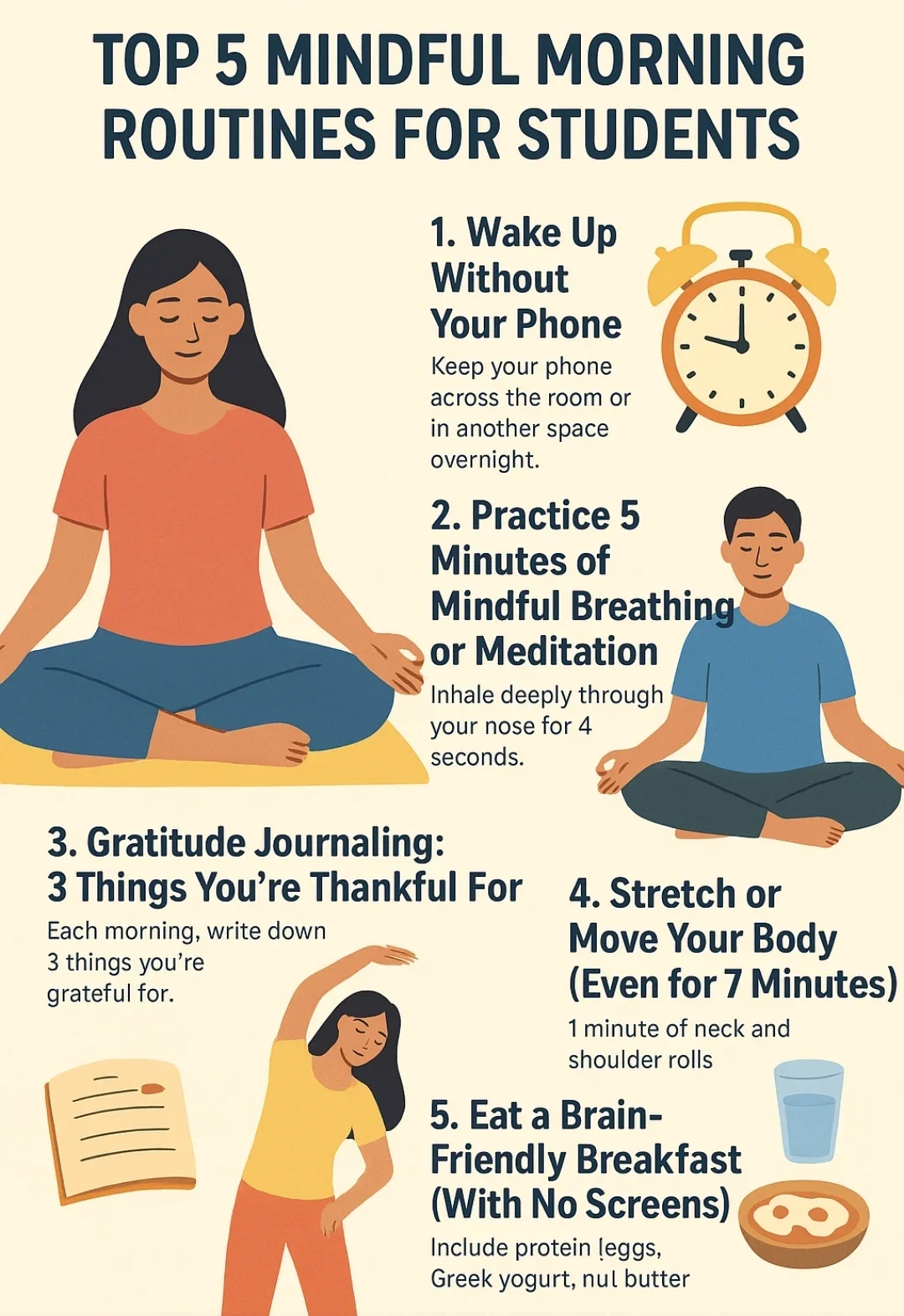
Imagine waking up to a moment of stillness before the world rushes in. Mindful breathing is the practice of paying deliberate attention to each inhale and exhale without judgment. Rather than letting your thoughts wander, you anchor yourself to the rhythm of your breath. It’s a simple yet powerful way to bring awareness to the present moment, which anyone can do, whether sitting on a kitchen stool or lying in bed.
The Science Behind Mindful Breathing
When you take slow, intentional breaths, your nervous system responds by activating the parasympathetic “rest and digest” mode. This counteracts the stress-driven fight-or-flight response that can dominate mornings filled with deadlines or busy schedules. Studies have shown that mindful breathing can help lower heart rate and reduce cortisol levels, fostering a sense of calm and focus that sets a positive tone for the day.
Why Incorporate Mindful Breathing into Your Morning Routine?
Benefits for Mental Health
Starting your day with mindful breathing can act as a mental reset. Consider Sarah, a busy manager who found herself overwhelmed by back-to-back meetings. After incorporating just five minutes of mindful breathing each morning, she noticed fewer moments of anxiety and increased mental clarity. This practice helps by cultivating emotional resilience, making stressful interactions easier to navigate.
Impact on Physical Well-being
Beyond mental health, mindful breathing has tangible physical effects. Engaging in this practice first thing can improve oxygen flow and reduce muscle tension. For example, Tom, an avid runner, uses mindful breathing to warm up his body and enhance his lung capacity. His morning routine helps minimize stiffness and prepares his muscles for activity, showing how breathwork influences the body’s readiness.
Preparing for Your Morning Mindful Breathing Practice
Choosing the Right Environment
Finding a quiet, comfortable space is key to a successful mindful breathing practice. This might mean a corner of your bedroom, a balcony with fresh air, or even a comfy chair in your living room. The goal is to minimize distractions. For instance, Emma sets up a small nook with cushions and a soft blanket near a window; this cozy spot encourages her to look forward to her morning practice.
Setting a Consistent Time
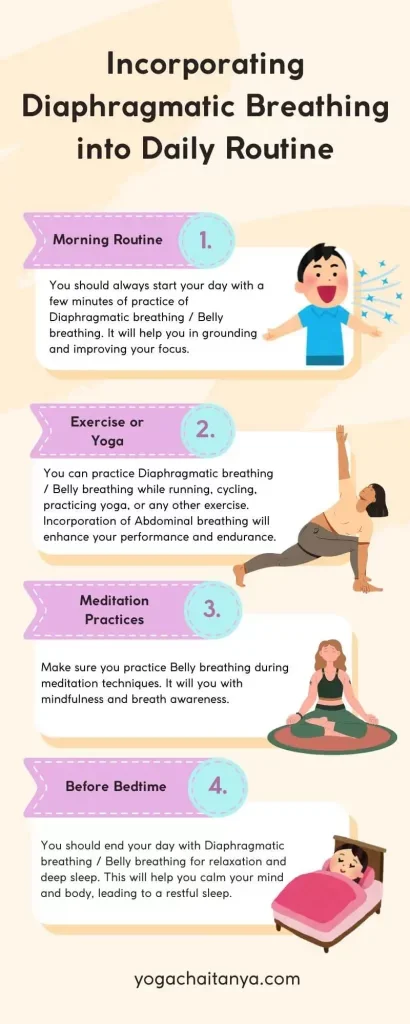
Consistency anchors habits. Choosing a fixed time each morning helps establish mindful breathing as a natural part of your day. Whether it’s right after waking up, following a bathroom routine, or before breakfast, setting an alarm or a gentle reminder can help, especially in the beginning. Jack, a father of two, found that practicing mindful breathing right after brushing his teeth made it easier to sustain the habit.
Required Tools and Accessories
Mindful breathing requires minimal tools, which is part of its appeal. A simple cushion or chair for comfort can enhance the experience. Some people like to use an essential oil diffuser or calming music, though these are optional. The absence of complex equipment makes it accessible, allowing you to practice anywhere, even during travel or brief breaks.
Step-by-Step Morning Mindful Breathing Practice
Step 1: Getting Comfortable and Grounded
Start by settling into your chosen spot. Sit with your back straight but relaxed, feet flat on the floor, or legs crossed if comfortable. Ground yourself by feeling your connection to the surface beneath you. This intentional posture lays the foundation for focused breathing and prepares your mind to slow down.
Step 2: Focusing Attention on the Breath
Close your eyes if that feels natural. Bring your attention gently to the sensation of air entering your nostrils and filling your lungs. Don’t try to change your breathing yet—just observe. This phase is like tuning an instrument, training your awareness to notice details usually ignored amidst morning chaos.
Step 3: Deepening the Breath Intentionally
Once you feel settled, begin to deepen your breath. Inhale slowly through the nose, counting to four, hold for a brief moment, then exhale fully through the mouth. This deliberate pattern helps engage the diaphragm and increases oxygen intake. The sensation of longer breaths can evoke calmness, similar to slowing down a racing heartbeat after exercise.
Step 4: Maintaining Mindfulness with Body Awareness
As you continue, expand your attention to how your body feels with each breath. Notice any areas of tension or ease. For example, if your shoulders are tight, breathe into that space and allow it to soften gradually. This connection cultivates a sense of embodiment, turning your breath into a bridge between body and mind.
Step 5: Gradually Transitioning to Your Day
After several minutes, gently bring your focus back to the room around you. Wiggle your fingers and toes, stretch if needed, and slowly open your eyes. This transition phase readies you to engage with the day, carrying forward the calm and focus cultivated during your practice.
Tips for Maintaining Consistency and Growth
Dealing with Distractions
It’s natural for the mind to wander during mindful breathing. When your thoughts drift to tasks or worries, acknowledge them without judgment, then gently return to the breath. For example, Mia found it helpful to silently label distractions as “thinking” before bringing her attention back. This approach lessens frustration and strengthens concentration over time.
Tracking Progress and Adjustments
Keeping a simple journal can make a difference in sustaining motivation. Record the time you spent practicing, your mood before and after, and any observations. If five minutes feels insufficient or too long, adjust accordingly. The key is to listen to your experience and adapt the practice to fit your lifestyle rather than forcing a rigid routine.
Additional Practices to Complement Mindful Breathing
Integrating Gentle Stretching or Yoga
Many find that combining mindful breathing with gentle stretching or yoga enhances overall well-being. Starting the morning with a few neck rolls, shoulder stretches, or simple sun salutations adds movement that complements breathwork. This synergy shifts the body from stillness to readiness in a balanced, mindful manner.
Using Guided Meditation Apps
For those new to mindful breathing, guided meditation apps offer structured support. Apps can provide calming voices, breathing cues, and timed sessions that make establishing the habit easier. Over time, as you build confidence, you may find yourself relying less on guidance and more on your own inner rhythm.


