
Understanding the Challenges of Remote Work and Family Balance
Common Obstacles Faced by Remote Workers
Remote work offers flexibility but also introduces unique challenges, especially for those balancing family and professional responsibilities. One major obstacle is the blurred boundary between work hours and personal time. Without a clear separation, tasks can overlap, leading to longer workdays and decreased focus. Another frequent challenge is managing interruptions from family members, which disrupt workflow and concentration. Additionally, remote workers may struggle with feelings of isolation or lack of support, which can affect motivation and productivity.
Impact of Family Responsibilities on Work Productivity
Family responsibilities, such as caring for children or managing household needs, naturally demand attention throughout the day. These duties often coincide with traditional working hours, causing distractions and time fragmentation. The constant switching between work and family roles can reduce efficiency and increase stress levels. Without a structured approach, meeting professional deadlines while attending to family needs becomes difficult, leading to burnout and dissatisfaction in both areas.
Essential Time Management Techniques for Remote Workers
Prioritizing Tasks with the Eisenhower Matrix
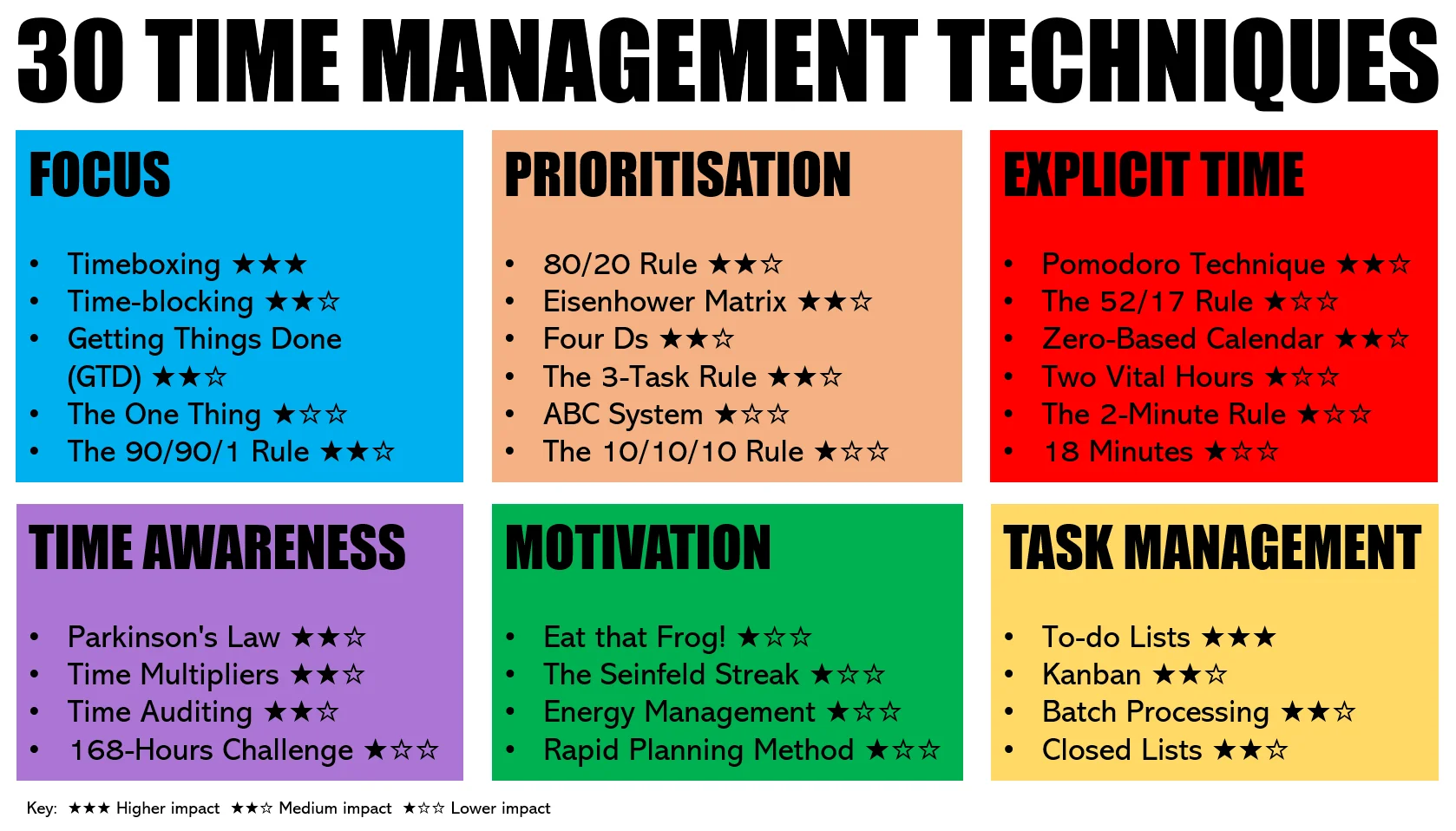
One common problem remote workers face is inefficient task management. The Eisenhower Matrix helps by categorizing tasks into urgent, important, non-urgent, and non-important. This method clarifies what requires immediate attention and what can be delegated or postponed, preventing time wastage on less critical activities. Using this matrix encourages focus on high-impact work while balancing family duties, ultimately improving productivity and reducing overwhelm.
Time Blocking to Separate Work and Family Time
Without defined schedules, remote workers often find their work and family tasks bleeding into each other. Time blocking solves this by allocating specific hours of the day exclusively for work or family activities. This structured approach minimizes task overlap and prepares the mind to switch contexts more effectively. By setting boundaries through scheduled blocks, workers can fully engage in work assignments or family moments, fostering better attention and satisfaction in both areas.
Utilizing Digital Tools for Scheduling and Reminders
Many remote workers neglect the benefits of digital tools, which can lead to missed deadlines and forgotten tasks. Tools like calendars, reminder apps, and project management software can integrate personal and professional schedules, providing clarity and alerts for upcoming commitments. These technological solutions help organize tasks and reduce the mental load of remembering every detail, allowing workers to focus on execution rather than constant task juggling.
Creating a Productive Remote Work Environment at Home
Designating a Dedicated Workspace
One root cause of productivity issues is the lack of a proper, dedicated workspace. Working from a shared or casual environment often invites distractions and reduces the ability to focus. Setting up a designated area exclusively for work helps signal the brain to enter “work mode” and minimizes external interruptions. This separation is crucial for maintaining discipline and ensuring that work tasks receive undivided attention.
Minimizing Distractions from Family Activities
Family life naturally involves noise and movement, which can interfere with remote work. Addressing this requires proactive strategies, such as scheduling work hours during quieter times or communicating clear expectations with family members. Using noise-cancelling headphones or physical barriers like room dividers can also help. These solutions reduce distractions and help maintain concentration during critical work periods.
Strategies for Maintaining Boundaries Between Work and Family
Setting Clear Work Hours and Communicating Them

A frequent mistake is the absence of clearly defined work hours, leading to unpredictable interruptions and unclear expectations. By establishing and consistently communicating fixed work hours to family members, remote workers can create mutual understanding and respect for their professional time. Clear boundaries foster an environment where both work and family needs are acknowledged without constant conflict.
Using Signals to Indicate Work Mode to Family Members
Even with set hours, family members may inadvertently interrupt. Using simple signals like closing the office door, wearing headphones, or placing a “do not disturb” sign can non-verbally communicate work status. These cues help prevent misunderstandings and allow family members to recognize when it’s essential to minimize disturbances, promoting smoother interactions and uninterrupted work sessions.
Balancing Self-Care with Professional and Family Duties
Scheduling Breaks and Personal Time
Remote workers often neglect their own well-being in the effort to juggle multiple roles. Skipping breaks or personal time leads to fatigue, reduced efficiency, and heightened stress. Purposefully scheduling short breaks and moments for relaxation restores energy and mental clarity. These pauses are critical for maintaining long-term focus and emotional balance, benefiting both work performance and family relationships.
Incorporating Physical Activity into Daily Routine
Physical activity frequently takes a backseat in a busy remote work and family schedule. Lack of movement contributes to stress and decreases overall health. By integrating manageable exercises, such as short walks or stretching, into daily routines, remote workers can improve physical well-being and combat the sedentary nature of remote work. This practice supports sustained productivity and resilience in both personal and professional domains.
Case Studies: Successful Remote Workers Managing Family and Work Balance
Examples of Effective Time Management Approaches
Consider Sarah, a remote marketing manager and mother of two, who resolved constant interruptions by implementing strict time blocks for work and family. She used digital calendars shared with her spouse to coordinate childcare and work commitments, which reduced conflicts and increased productivity. Similarly, David, an IT consultant, created a dedicated home office space and used visible signals to indicate work hours to his family, drastically reducing distractions. Their success shows that combining structured scheduling with clear communication and workspace boundaries leads to a sustainable balance of work and family life.
Conclusion
Balancing remote work with family responsibilities presents significant challenges, but they can be effectively addressed through structured time management techniques. Understanding the causes of interruptions and inefficiencies enables remote workers to implement solutions such as prioritizing tasks, time blocking, and using digital tools. Creating distinct workspaces and establishing clear boundaries with family members further enhance productivity. Equally important is the inclusion of self-care practices to maintain mental and physical health. By adopting these strategies, remote workers can achieve a harmonious balance, improving satisfaction and performance in both their professional and family roles.


