
Introduction to Mindfulness for Busy Lifestyles
Understanding Mindfulness and Its Benefits
Mindfulness is the simple practice of being fully present in the moment, paying attention to your thoughts, feelings, and surroundings without judgment. It’s about slowing down and tuning into the here and now, even when life feels chaotic. This practice has gained tremendous popularity because it offers a way to ease mental clutter, reduce stress, and promote a sense of calm amidst daily demands.
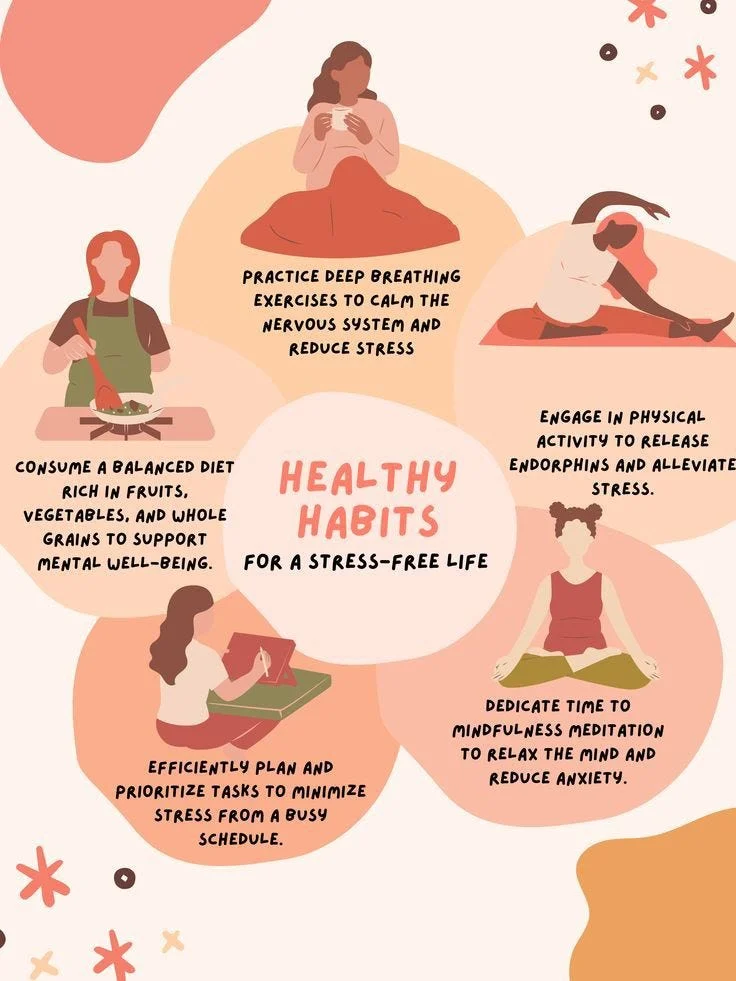
Even just a few moments of mindfulness can make a difference. By cultivating awareness, people often find improved focus, enhanced emotional resilience, and better overall well-being. This makes mindfulness especially valuable in today’s fast-paced world, where distractions and responsibilities pile up quickly.
Why Busy People Need Mindfulness
When you have a packed schedule, it’s easy to get caught up in a whirlwind of tasks and forget to pause. Constant multitasking and rushing from one thing to another can wear down your energy and cloud your mind. Mindfulness acts as a reset button, allowing you to catch your breath and recharge mentally.
For busy individuals, mindfulness can help manage the overwhelm that often accompanies a hectic lifestyle. It promotes clarity, reduces anxiety, and even supports better decision-making. In a way, mindfulness offers a small yet powerful refuge amidst the chaos, helping you navigate daily stress with greater ease.
Quick Mindfulness Exercises You Can Do Anywhere
1-Minute Breathing Techniques
When time is limited, focusing on your breath is one of the simplest mindfulness exercises available. You don’t need special equipment or a quiet room – just a moment to tune in. Take slow, deep breaths, paying close attention to how the air feels entering and leaving your body. This tiny pause can calm your nervous system, easing tension and bringing your attention back to the present.
Even when you’re in the middle of a hectic day, a one-minute breathing break can be surprisingly rejuvenating. It doesn’t have to be perfect or complicated — the key is simply noticing your breath.
Grounding Exercises During Breaks
Grounding exercises are another great way to anchor yourself in the present when life feels overwhelming. During a coffee break or between meetings, try gently pressing your feet into the floor and feeling the connection to the ground beneath you. Notice the textures around you, the temperature of the air, or the sounds you hear.
This focus on sensory details helps shift your mind away from stress and into a calmer, more centered state. It’s a quick technique to reorient yourself, especially when your thoughts feel scattered.
Mindful Eating on the Go
Mindful eating doesn’t require sitting down with hours to spare. Even a quick snack or meal can become a moment of mindfulness. Instead of rushing or scrolling through your phone, try paying attention to the flavors, textures, and aromas of your food. Chew slowly and savor each bite.
This mindful approach to eating turns a regular task into a small act of self-care, allowing you to slow down and appreciate what you’re consuming, which can also encourage better digestion and greater satisfaction.
Incorporating Mindfulness Into Daily Tasks
Mindful Walking to Reset Your Mind
Walking is something many of us do multiple times a day. By bringing mindfulness to your steps, you transform this routine activity into a chance to reset your mind. Focus on the sensation of your feet touching the ground, the rhythm of your stride, and the movement of your body.
You can use mindful walking during a short stroll outside, as you move between meetings, or even pacing while on a phone call. This simple shift in awareness helps reduce mental clutter and refreshes your focus.
Turning Routine Chores Into Mindfulness Practice
Household chores and daily tasks often feel mundane and endless. But they also offer unique opportunities for mindful moments. When washing dishes or folding laundry, try to stay fully attentive to the sensations involved—the warmth of the water, the texture of the fabric, or even the sounds the tasks create.
By engaging your senses and letting go of autopilot, you bring mindfulness into routine activities without changing your schedule. This can add a calming rhythm to your day and reduce feelings of drudgery.
Tools and Apps to Support Mindfulness in a Hectic Day
Top Mindfulness Apps for Busy Users
Technology can be a helpful ally when fitting mindfulness into a busy lifestyle. Many apps offer short guided exercises, breathing prompts, and reminders that are designed for people on the go. Popular mindfulness apps often feature sessions as brief as one or two minutes, making it easier to squeeze moments of calm into even the busiest day.
Using these digital tools can provide structure and motivation, especially when you are just starting to develop a mindfulness habit. They also offer variety, which can keep your practice fresh and engaging.
Using Reminders to Stay Mindful
It’s surprisingly easy to forget to pause in the midst of a packed schedule. One effective strategy is setting gentle reminders on your phone or computer to prompt brief mindfulness breaks. These cues can nudge you toward taking a few conscious breaths, doing a grounding exercise, or just checking in with yourself.
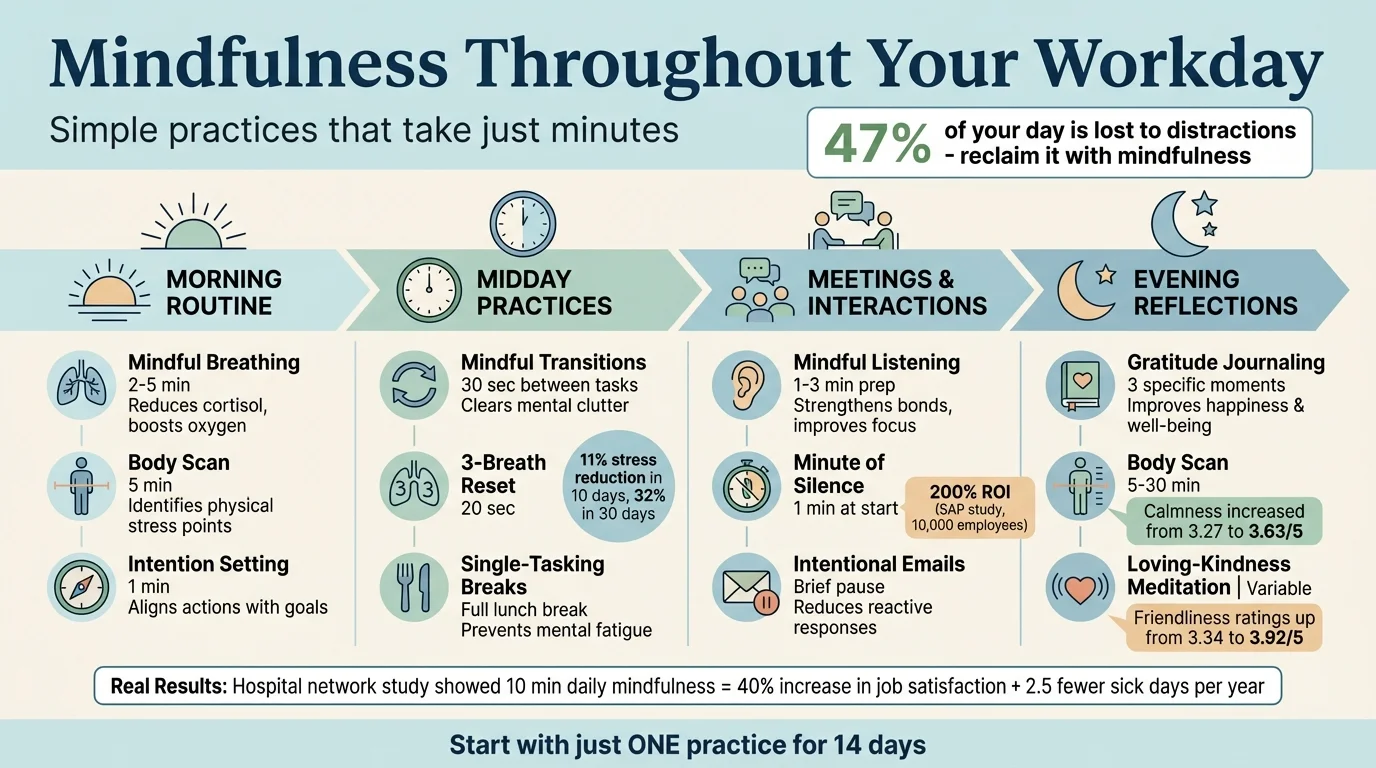
Consistency is often the hardest part of maintaining mindfulness. Reminders act as a friendly nudge, helping you build a sustainable routine by creating small pauses throughout your day.
Tips for Maintaining a Consistent Mindfulness Practice
Setting Realistic Goals
The key to sticking with mindfulness is keeping your expectations reasonable. Starting small and focusing on a few minutes each day can be far more effective than trying to dedicate large chunks of time right away. Remember, mindfulness is about quality, not quantity.
By setting achievable goals, you avoid feeling overwhelmed or discouraged, making it easier to weave mindfulness naturally into your daily life.
Creating a Mindfulness-Friendly Environment
While mindfulness can happen anywhere, having a supportive environment helps deepen the practice. This doesn’t mean needing a special meditation room — even a quiet corner with a comfortable chair or some natural light can serve as your mindfulness spot.
Clearing clutter, minimizing distractions, or adding calming elements like plants or soft lighting can gently encourage a mindful mindset. Small environmental tweaks can support your intention to slow down and be present.
Conclusion: Making Mindfulness a Sustainable Habit
Incorporating mindfulness into a busy schedule doesn’t have to be complicated or time-consuming. With simple breathing exercises, grounding techniques, and aware moments sprinkled throughout your day, mindfulness becomes a practical tool to manage stress and improve your overall sense of well-being.
Keep in mind that flexibility and kindness toward yourself are essential. It’s normal for your mindfulness practice to ebb and flow with the demands of life. By setting realistic goals and using supportive tools, you can cultivate mindfulness as a lasting habit—one that offers calm, clarity, and presence even amid the busiest days.


