
Introduction to Budget-Friendly Healthy Meal Prep
Why Meal Prep Matters for Health and Savings
Imagine Lisa, a busy mom juggling work and family life. She used to rely on takeout and convenience foods, which drained both her wallet and energy. When she discovered meal prepping, it was a game-changer. Preparing meals in advance not only improved her family’s nutrition but also cut weekly grocery bills by nearly 30%. This approach works because it reduces impulse buys, minimizes food waste, and encourages balanced eating.
Meal prep creates a rhythm that supports both health goals and financial wellbeing. By cooking in batches, you avoid repeated cooking time and can enjoy portion-controlled meals—all without feeling deprived or overwhelmed.
Essential Principles for Budget-Friendly Grocery Shopping
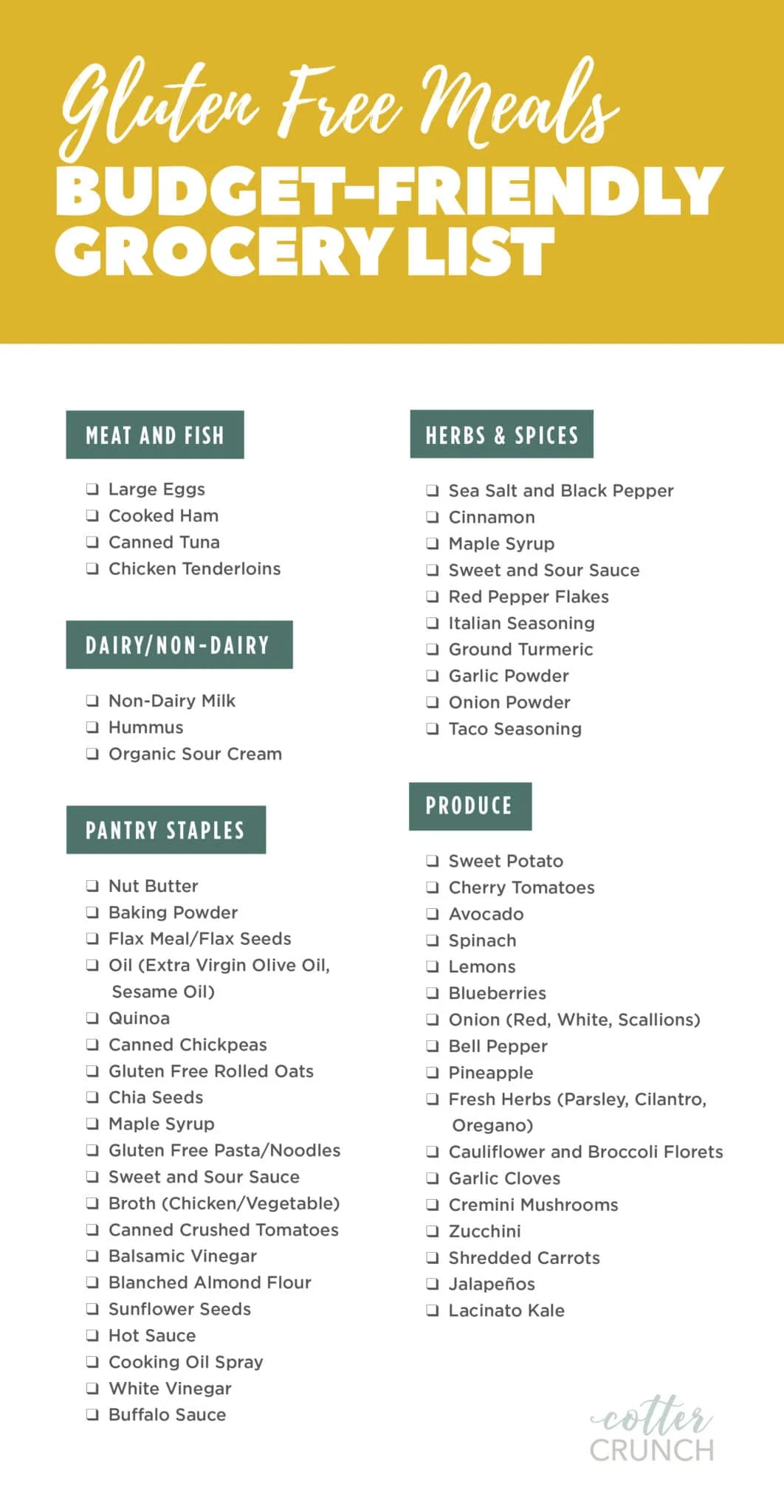
Starting with a budget-friendly grocery list means prioritizing versatility and nutritional value. Think of it like building a wardrobe with staple pieces that mix and match easily. You want ingredients that can transform across different dishes and satisfy diverse tastes.
To illustrate, consider how buying a large bag of brown rice can fuel stir-fries, salads, or grain bowls throughout the week. Similarly, versatile vegetables like carrots and bell peppers can be sautéed, roasted, or eaten raw. Balancing your list with proteins, carbs, and fresh produce ensures meals remain healthy and economical.
Core Ingredients for Healthy and Affordable Meal Prep
Proteins: Best Budget Picks
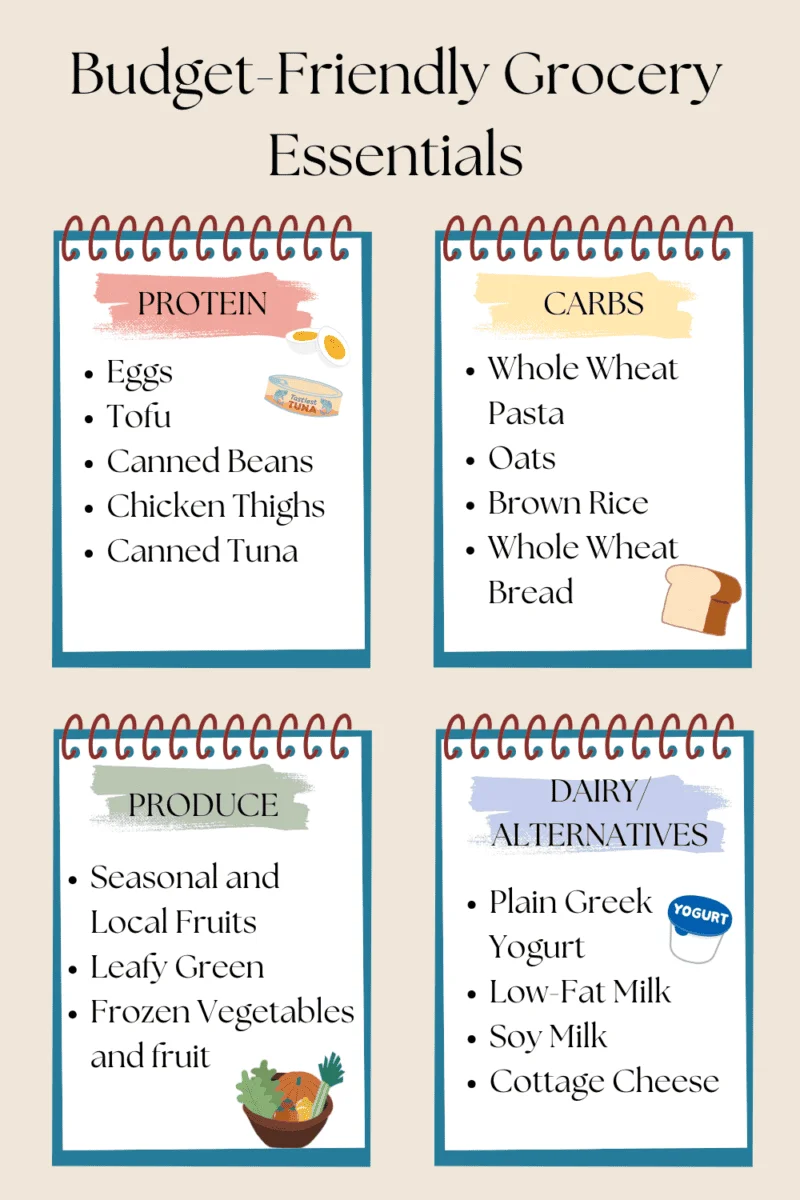
Proteins are often the trickiest part of a budget-friendly meal plan. Yet, options like canned beans, lentils, eggs, and frozen chicken thighs provide substantial nutrition without breaking the bank. For instance, Raj, a college student, swears by stocking dried lentils and chickpeas. He boils a batch once and uses them in curries, salads, and wraps, stretching his meals over several days.
Don’t overlook plant-based proteins; they tend to be less expensive and have longer shelf lives than fresh meat. Incorporating tofu or cottage cheese can also add variety while keeping costs manageable.
Whole Grains and Complex Carbs to Stock Up On
Whole grains often serve as the foundation of a nourishing meal. Items like brown rice, quinoa, and rolled oats are pantry heroes. An excellent example comes from Maria, who prepares overnight oats with frozen berries for breakfast. They’re affordable, filling, and require minimal preparation.
Sweet potatoes and whole wheat pasta are also fantastic complex carbs that offer fiber and energy. Buying these in bulk or during sales creates opportunities for diverse dishes, from hearty stews to refreshing grain bowls.
Vegetables and Fruits Offering Maximum Nutrition for Less
Fresh produce can seem expensive, but selecting seasonal vegetables and fruits optimizes both freshness and price. For example, in the fall, root vegetables like carrots and beets are abundant and cost-effective. In contrast, summer offers tomatoes and zucchinis at reasonable prices.
Farmers markets or local co-ops often provide stellar deals on produce close to harvest. A practical strategy is to focus on nutrient-dense items like spinach, apples, and bananas, which can be used in various meals and snacks.
Must-Have Staples and Pantry Essentials
Spices and Condiments to Enhance Flavors Economically
Don’t underestimate how a well-stocked spice rack can elevate simple meals. Basic spices like cumin, paprika, garlic powder, and black pepper ignite flavors without added cost. Sarah, who started meal prepping to lose weight, credits her success to experimenting with herbs and spices that keep dishes exciting.
A few affordable condiments—mustard, soy sauce, and vinegar—also add depth without extra calories or expenses. They turn ordinary ingredients into restaurant-worthy meals, making your efforts feel rewarding.
Frozen vs Fresh Produce: What to Choose and When
Choosing between frozen and fresh produce depends on timing and usage. Fresh veggies shine when consumed within a few days, offering maximum taste and texture. However, frozen fruits and vegetables are perfect for longer shelf life and convenience. When John realized he wasted wilted spinach often, he switched to frozen spinach for smoothies and sautés, which helped reduce waste and save money.
Frozen options are usually flash-frozen at peak ripeness, preserving nutrients effectively. They’re especially helpful when a recipe calls for small quantities of a particular fruit or vegetable that’s out of season and costly fresh.
Sample Grocery Lists for Different Meal Prep Plans
List for Vegetarian Meal Prep Starters on a Budget
For those leaning into plant-based meals, combining beans, lentils, and tofu provides ample protein without overspending. Pair these with brown rice, quinoa, or whole wheat pasta for sustained energy. Add frozen mixed vegetables and seasonal fresh produce like sweet potatoes and kale to round out meals.
This list encourages creating dishes like lentil stew, tofu stir-fry, or quinoa salad, offering variety without needing elaborate ingredients.
List for Meat-Inclusive Budget Meal Prep
When including meat, prioritize affordable cuts such as chicken thighs, lean ground turkey, or canned tuna. Combine these with staple grains and vegetables to balance nutrition and cost. For example, chicken thighs can be baked in large batches, served with roasted vegetables and brown rice over several days.
Incorporating eggs as an inexpensive protein source also stretches your budget while offering versatile meal options like omelets or frittatas.
Quick and Simple Pantry-Based List for Beginners
Beginners can start with pantry staples such as dried beans, canned tomatoes, rice, pasta, and basic spices. Adding frozen vegetables and a handful of fresh fruits ensures nutrition without complicating grocery runs. This approach suits those new to meal prepping who want to keep things straightforward without compromising health.
Tips to Maximize Savings While Shopping
How to Use Coupons and Loyalty Programs Effectively
Take Jane’s experience: she saved nearly $50 monthly by combining manufacturer coupons with her local store’s loyalty discounts. Using apps and store cards can unlock exclusive deals on items you already plan to buy, preventing impulse purchases that can inflate your bill.
Planning your shopping around these discounts, rather than venturing in without a list, maximizes savings and reduces stress.
Seasonal Buying Strategies to Get the Best Deals
Seasonal buying isn’t just about freshness but also about affordability. Buying produce in season means catching peak supply when prices drop. For instance, buying berries in summer or squash in autumn allows you to store or freeze items for later use. Shelly, who meal preps weekly, tracks seasonal availability to stock up on favorites while saving money year-round.
Conclusion: Building Your Personalized Budget-Friendly Grocery List
Creating a budget-friendly grocery list for healthy meal prep is a dynamic process shaped by your personal tastes, local availability, and schedule. Starting small with versatile staples and building confidence over time leads to sustainable habits. By combining smart shopping strategies with a focus on nutrient-packed ingredients, anyone can enjoy nutritious meals without financial strain.
Remember, the key is balancing variety and simplicity while embracing flexibility. Whether you favor vegetarian meals or include meats, keep experimenting and adapting your list to find what works best for you. This practical approach ensures your meal prep journey is both affordable and rewarding.


