
Why a Balanced Breakfast Matters for Kids
Impact on Energy and Concentration
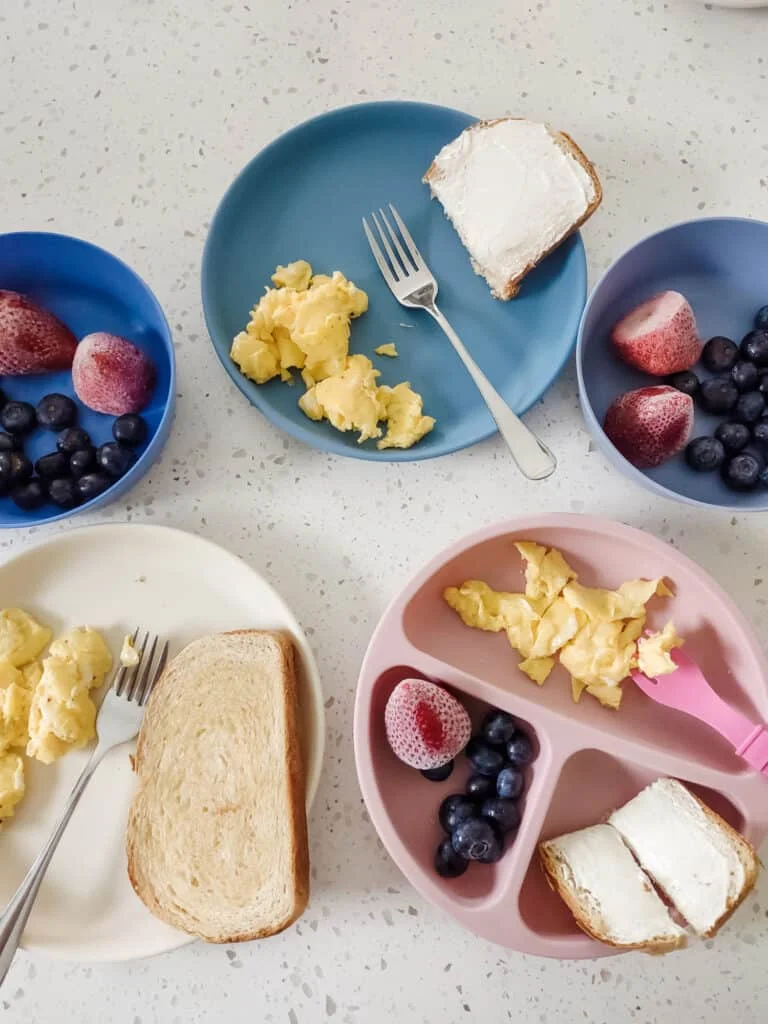
Many parents struggle with getting their kids ready for school and often overlook the importance of a proper breakfast. When children don’t start their day with a balanced meal, they can experience low energy and difficulty concentrating in class. Breakfast fuels the brain and body after a night’s fast, providing essential glucose and nutrients needed for focus and stamina throughout the morning. Without this vital energy, kids might feel sluggish or restless, which impacts learning and social interactions negatively.
Essential Nutrients for Growing Bodies
Another common misconception is that any breakfast is good enough. In reality, children require a range of nutrients to support their rapid growth and development. Vitamins, minerals, proteins, and healthy fats all play specific roles, from building strong bones to maintaining immune function. Skipping or eating an unbalanced breakfast might cause nutrient gaps that affect physical health and cognitive performance over time. Prioritizing a mix of food groups early in the day ensures kids get the foundation they need for overall well-being.
Quick and Nutritious Breakfast Staples to Keep on Hand
Healthy Grains and Cereals
One major obstacle parents face is the time it takes to prepare a wholesome breakfast. Many resort to sugary cereals or processed snacks that provide little lasting nutrition. To solve this, keeping healthy grains like whole oats, whole wheat bread, or low-sugar cereals readily available is crucial. These staples offer sustained energy through complex carbohydrates and fiber. Preparing these grains doesn’t have to be time-consuming; for example, overnight oats or quickly toasted bread with nut butter are nutritious yet easy options.
Fruits and Vegetables That Save Time
Parents often skip fruits and vegetables in the morning due to time constraints or kids’ preferences. However, fresh, frozen, or pre-cut fruits like berries, bananas, and apple slices can be quick, convenient sources of vitamins and hydration. Vegetables such as baby carrots or cucumber slices can even be blended into smoothies. By having these ready to go in the fridge or freezer, it’s easier to add a serving of produce without adding stress to the morning routine.
Protein Options for Busy Mornings
A common mistake is neglecting protein, a key nutrient for muscle repair and satiety. Eggs, yogurt, nut butters, and cheese are excellent sources that don’t require long preparation times. Boiled eggs prepared in advance or Greek yogurt paired with fruit can provide a fast protein boost. Including protein in breakfast helps keep kids full longer and reduces mid-morning snacking on unhealthy foods.
Creative Kid-Friendly Breakfast Combinations
5-Minute Smoothie Bowls
When mornings are hectic, smoothie bowls can be a lifesaver. The problem, however, lies in creating options that kids actually enjoy and that meet nutritional needs. Smoothie bowls combine fruits, vegetables, protein, and healthy fats in one vibrant dish. Parents can blend frozen fruits with spinach or avocado and yogurt, then top the mixture with granola or seeds. This colorful, appealing option encourages kids to eat their nutrients while saving prep time.
Overnight Oats with Fun Toppings
Lack of morning time often leads to grabbing unhealthy fast food, but overnight oats fix this by allowing preparation the night before. The challenge is making them attractive to children; plain oats can feel boring. Offering a variety of toppings like fresh berries, honey, or cinnamon turns this convenient meal into a treat. This method eliminates morning cooking stress and ensures a balanced combination of fiber, protein, and vitamins.
Mini Breakfast Wraps and Sandwiches
Parents frequently face the dilemma of giving their kids meals that are easy to hold and eat on the go. Mini wraps and sandwiches solve the problem by combining whole grain tortillas or bread with protein sources such as eggs or lean turkey and veggies. These handheld options are easy to customize according to taste preferences and pack balanced nutrients in every bite. Preparing a few in advance can save precious morning minutes.
Meal Prep Strategies for Hassle-Free School Mornings
Batch Cooking and Freezing Tips
One major contributor to chaotic mornings is starting from scratch every day. Batch cooking allows parents to prepare several breakfasts at once, storing them for quick reheating. Pancakes, muffins, and egg muffins can be made in advance and frozen. This approach solves the problem of time shortage while ensuring children receive wholesome meals regularly. Using freezer-safe containers or bags maximizes space and keeps portions organized.
Using Storage Containers for Portion Control
Another overlooked aspect is managing portion sizes to prevent food waste and overeating. Employing compartmentalized containers can help parents pre-portion meals or snack components for easy grab-and-go use. This tactic simplifies decision-making and encourages balanced eating habits, as children visually recognize appropriate serving sizes. The convenience also helps avoid last-minute scrambling to assemble components and reduces morning stress.
Time-Saving Breakfast Hacks Every Parent Should Know
Smart Appliance Use: Instant Pot, Blender, and More
Parents often underestimate how appliances can cut down breakfast prep times and expand meal options. For example, an Instant Pot can quickly cook oats or eggs, while a high-speed blender streamlines smoothie making. Utilizing these tools reduces cooking steps and cleanup, making healthy breakfasts more accessible on tight schedules. The challenge is learning how to integrate these appliances efficiently, but once mastered, they offer tremendous time savings.
Quick Assembly Tricks
Even with the best ingredients and appliances, assembling meals can still cause delays. Creating assembly stations with ingredients arranged logically solves this problem. When all components are within reach, parents avoid hunting for items or having kids linger too long before eating. Simple tricks like pre-chopped fruits, spreading nut butters on bread ahead of time, or pre-measuring cereal make breakfast preparation smoother and faster while maintaining nutritional quality.
Breakfast Ideas Tailored to Different Age Groups
Preschoolers: Easy-to-Eat Options
Young children often struggle with complex textures or large portions. Providing small, manageable foods such as soft fruit pieces, yogurt, or mini pancakes addresses this challenge. Meals also need to be visually appealing and mild in flavor to encourage a positive breakfast experience. Parents should focus on simple, nutrient-dense meals that promote independence and reduce frustration during the morning rush.
Elementary Students: Balanced and Filling Choices
As children grow, their energy demands increase and so does their ability to handle more varied foods. Offering a balance of carbohydrates, proteins, and fats in slightly larger portions becomes important. Kids at this stage benefit from meals that sustain energy through the morning, like peanut butter toast with banana or scrambled eggs with whole grain toast. Providing options that include fiber and protein supports academic performance and physical activity.
Teenagers: Energizing and Larger Portions
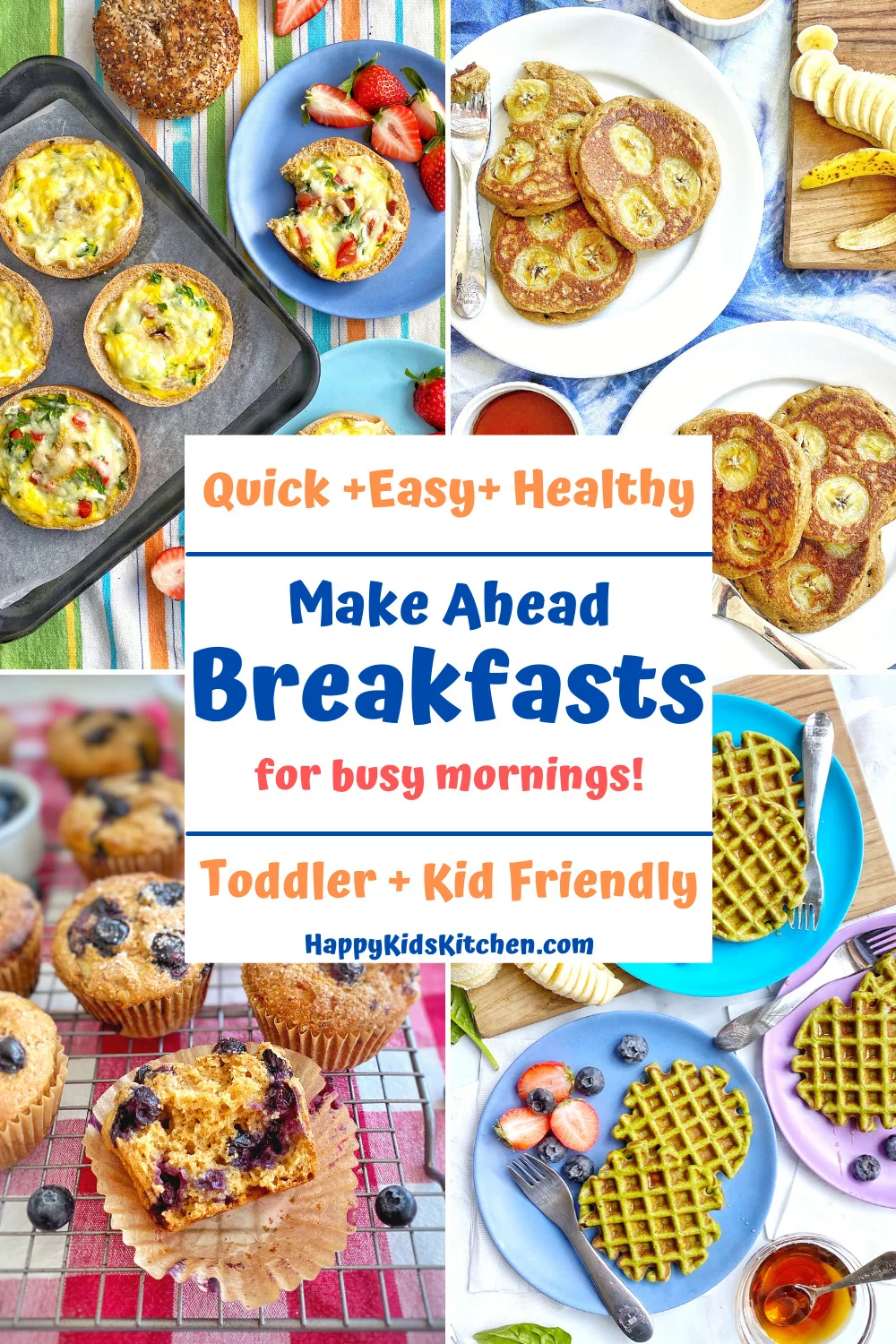
Teenagers require more calories and nutrients due to rapid growth and increased activity levels. Skipping breakfast, common at this age, can cause low energy and mood swings. Larger, nutrient-rich meals combining complex carbs, proteins, and healthy fats are essential. Examples include breakfast burritos, smoothies with added protein powders, and whole-grain cereal with milk and fruit. Meals should be portable to fit varied schedules and encourage consistent breakfast consumption.
Involving Kids in Breakfast Preparation to Encourage Healthy Eating
Simple Recipes Kids Can Help With
One reason kids resist healthy breakfasts is lack of involvement in meal choices. Engaging them with simple prep tasks like stirring oats, assembling smoothie ingredients, or adding toppings to yogurt fosters ownership. This participation addresses reluctance and opens opportunities to discuss the benefits of balanced nutrition. Involving children also builds confidence in the kitchen, making them more likely to enjoy healthy foods regularly.
Building Positive Food Habits Together
Establishing lifelong healthy eating starts with early positive experiences around food. When families prepare and eat breakfast together, it creates a routine and reinforces good habits. Parents who model balanced choices and involve kids respectfully encourage consistent breakfast consumption without power struggles. This collaborative approach transforms breakfast from a rushed chore into an enjoyable and nourishing family ritual.


