
Introduction to Nutritious Lunchbox Planning
Preparing a nutritious lunchbox for school-age children is an essential part of supporting their growth, learning, and overall well-being. A well-packed lunchbox not only fuels their bodies but also helps maintain concentration and energy throughout the school day. However, busy schedules and picky eaters can make this task challenging. In this guide, we will explore how to create easy and balanced lunchbox meals that children will enjoy and thrive on.
Key Nutritional Needs for School-Age Children
Understanding the nutritional needs of children is fundamental to planning effective lunchboxes. School-age children require a range of nutrients to support both physical development and cognitive function. These include essential vitamins, minerals, and a balanced intake of macronutrients.
Essential Vitamins and Minerals
Vitamins such as A, C, D, and B-complex play crucial roles in immune system support, vision, skin health, and energy metabolism. Minerals like calcium and iron are vital for strong bones and healthy blood circulation. Incorporating fruits, vegetables, dairy, and fortified cereals can help ensure children receive these nutrients in sufficient amounts.
Balancing Macronutrients: Protein, Carbs, and Fats
Macronutrients are the building blocks of a child’s diet. Protein supports muscle development and repair, carbohydrates provide the necessary energy, and fats aid brain development and nutrient absorption. A balanced lunchbox should include sources of all three, such as lean meats or plant-based proteins, whole-grain breads or pasta, and healthy fats from nuts or avocados.
Quick and Healthy Lunchbox Recipes
Making lunchboxes that are both nutritious and quick to prepare is possible with a bit of planning. Recipes should appeal to children’s tastes while offering variety to keep mealtime interesting.
Vegetarian Options
For children who prefer vegetarian meals, options such as hummus and veggie wraps, cheese and whole-grain crackers, or quinoa salad with beans and colorful veggies provide a balance of protein and fiber. These meals are easy to assemble and can often be prepared the night before to save time.
Protein-Packed Meals for Active Kids
Active children need meals that provide sustained energy and muscle support. Items such as grilled chicken strips, boiled eggs, or turkey sandwiches paired with whole-grain sides can fuel their activities. Including small portions of nuts or yogurt can also enhance protein intake in a convenient and tasty way.
Creative Packing Tips for Appealing Lunchboxes
Presentation matters when encouraging children to eat their meals. A visually appealing lunchbox can make a significant difference in inviting them to try new foods and enjoy their lunch.
Using Colorful Ingredients
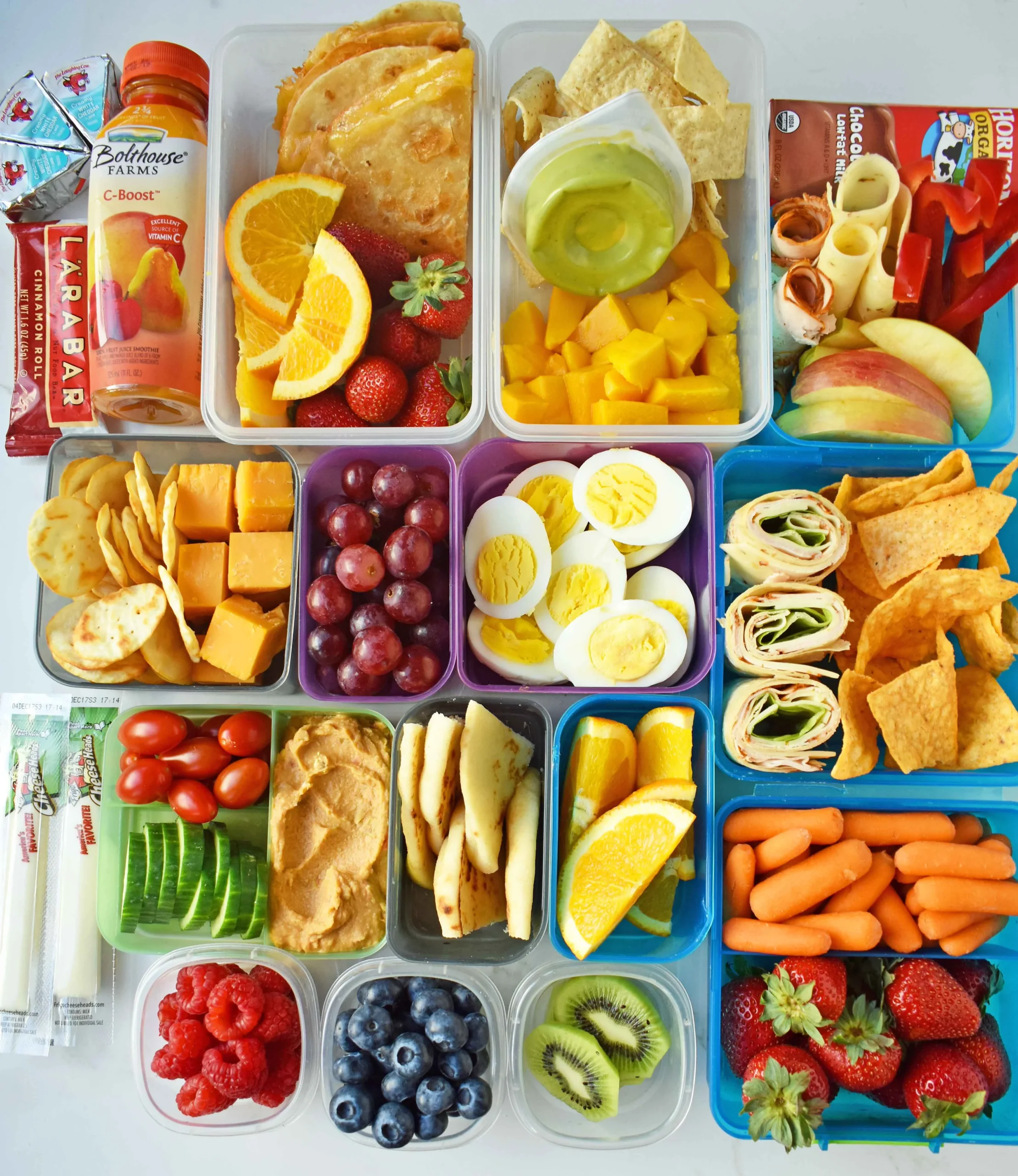
Incorporating a variety of vibrant fruits and vegetables creates a colorful and exciting meal. Bright bell peppers, cherry tomatoes, strawberries, and carrot sticks not only enhance the visual appeal but also increase vitamin intake. Using fun-shaped cutters for sandwiches or fruits can add an extra element of delight.
Making Meals Fun and Engaging
Beyond colors, engaging children with their lunch involves interactive elements such as build-your-own wraps or bento-style boxes that separate different food items. These options allow children to customize their meals, making lunchtime more enjoyable and encouraging them to try different foods.
Importance of Hydration and Healthy Snacks
Along with solid food, hydration and nutritious snacks play a vital role in maintaining children’s health and energy levels during school hours. Proper fluids and healthy nibbling choices can prevent fatigue and improve focus.
Best Drinks for School Lunches
Plain water should be the primary drink, as it hydrates without added sugars or calories. For variety, infused water with slices of lemon, cucumber, or berries is refreshing and enticing. Milk or fortified plant-based alternatives provide additional calcium and vitamin D, supporting bone health.
Nutritious Snack Ideas to Include
Snacks can complement the main lunch and keep hunger at bay. Whole grain granola bars, fresh fruit slices, yogurt tubes, or homemade trail mix with nuts and dried fruit are excellent choices. Avoid highly processed snacks with excess sugar or artificial ingredients to maintain nutritional quality.
Conclusion
Creating nutritious and easy lunchboxes for school-age children is a thoughtful process that benefits their health, growth, and academic performance. By focusing on balanced nutrition, appealing presentation, and hydration, parents and caregivers can ensure children look forward to their midday meals. With simple recipes and creative packing strategies, lunchtime becomes both enjoyable and beneficial, laying the foundation for lifelong healthy eating habits.


