
Essential Strategies for Staying Hydrated During Long Flights
Understanding Dehydration Risks on Airplanes
Long flights pose unique challenges for maintaining proper hydration. The low humidity levels inside airplane cabins often fall below 20 percent, much lower than usual indoor environments. This dry air increases fluid loss through the skin and breath, making it easier to become dehydrated without realizing it.
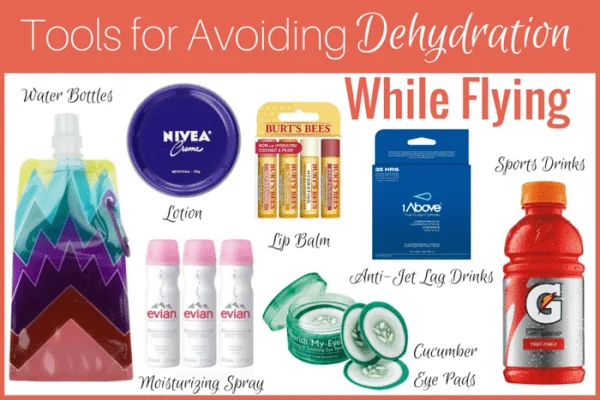
Additionally, sitting for extended periods reduces movement and can contribute to less efficient fluid circulation in the body. Travelers often overlook the subtle signs of dehydration, which can lead to fatigue, headaches, and discomfort throughout the journey.
How Cabin Pressure Affects Your Body’s Hydration
Airplane cabins are pressurized to levels typically equivalent to altitudes between 6,000 and 8,000 feet. This reduced pressure affects the body’s ability to retain water and maintain balance in bodily fluids. The lower pressure causes increased respiratory water loss, leading to further dehydration risk.
Understanding these factors helps emphasize why proactive hydration during long flights is essential. Staying adequately hydrated supports overall comfort, alertness, and well-being while traveling at high altitudes.
Top Portable Hydration Tools to Bring on a Plane
Reusable Water Bottles: Features to Look For
Choosing the right reusable water bottle can make staying hydrated easier and more convenient. Look for bottles made from BPA-free materials that are lightweight and leak-proof. Insulated options keep water cool longer, which can be refreshing during a flight.
One practical feature is a wide mouth opening for easy cleaning and filling. Bottles that comply with airport security regulations—such as being empty before security checks—are especially useful for refilling post-screening.
Hydration Packs and Collapsible Containers
For those seeking alternatives to traditional bottles, hydration packs offer hands-free drinking options with built-in straws or tubes. They are especially useful for travelers who want to sip fluids frequently without disruption.
Collapsible water containers provide a space-saving solution once emptied, making them ideal for packing in carry-ons. Their flexibility and lightweight design can simplify the travel experience while ensuring access to fluids when needed.
Portable Water Filters and Purifiers
Some travelers prefer carrying portable water filters or purifiers, particularly on journeys involving multiple stops or destinations with varying water quality. These devices allow safe refilling from diverse sources, conserving the need to buy bottled water repeatedly.
While they add extra preparation steps, such tools enhance convenience and environmental friendliness, giving travelers more control over their hydration options on the go.
Practical Tips for Maintaining Hydration Throughout Your Journey
Optimal Drinking Schedules and Amounts
Hydration is most effective when spread evenly across the flight rather than consumed all at once. Sipping small amounts of water regularly helps maintain fluid balance without causing frequent disruptions for bathroom breaks.
Starting hydration before boarding and continuing consistently during the flight supports the body’s needs in a sustained way. Listening to thirst cues while keeping a steady intake is a balanced approach.
Foods That Help Keep You Hydrated in the Air
Certain foods with high water content can contribute to overall hydration during a flight. Fresh fruits like melons, oranges, and grapes provide both hydration and essential nutrients. Vegetables such as cucumbers and celery also supply water alongside fiber.
Including these options in your travel snacks can complement drinking water and enhance the body’s fluid reserves effectively.
Avoiding Drinks That Dehydrate You
Some beverages might seem hydrating but can actually contribute to dehydration. Alcohol and caffeinated drinks are common examples, as they increase urine production and can lead to fluid loss. Limiting these beverages or balancing them with water can reduce their dehydrating effects.
Choosing non-caffeinated herbal teas or plain water is generally a safer choice for maintaining hydration during extended flights.
Innovative Gadgets and Apps to Monitor Hydration
Smart Water Bottles with Hydration Reminders
Technology offers new ways to support hydration habits. Smart water bottles track fluid intake and provide reminders to drink through notifications or glowing indicators. These devices help busy travelers stay mindful of their hydration goals without constant effort.
Some models also sync with smartphones or fitness trackers, integrating hydration data with overall health monitoring for a more comprehensive approach to travel wellness.
Apps Tracking Your Fluid Intake
In addition to smart bottles, mobile apps designed for hydration tracking offer customizable features. Users can log their intake, set daily goals, and receive alerts when it’s time to drink. These apps often include tips tailored to individual needs and environmental factors.
Using such tools can reinforce habits and improve consistency, making hydration management more accessible during complex travel schedules.
Bonus: Travel Hacks for Reducing Jet Lag and Enhancing Hydration
Stretching and Activity to Improve Circulation
Movement during long flights supports both circulation and fluid distribution within the body. Simple stretches or walking along the aisle can stimulate blood flow, reducing the risk of swelling and aiding hydration balance.
Regular activity also helps maintain alertness and comfort, complementing hydration efforts for an overall better flight experience.
Adjusting Hydration Based on Destination Climate
Considering the climate of your arrival destination when planning hydration is useful. Dry, hot, or high-altitude environments increase fluid needs, so preparing by drinking adequately before landing is beneficial.
Adapting hydration habits early in the travel routine helps the body transition more smoothly and supports well-being after arrival.
Conclusion
Staying hydrated on long flights requires awareness of the unique challenges posed by cabin conditions. Selecting the right hydration tools, maintaining a consistent drinking schedule, and being mindful of food and drink choices can make a substantial difference.
Incorporating smart technology and travel-friendly hacks further supports hydration goals, enhancing comfort and overall travel wellness. Preparing ahead and adopting these strategies ensures a more enjoyable and refreshing flight experience.


