
Understanding the Connection Between Nighttime Habits and Morning Energy
The Science of Sleep Cycles and Energy Restoration
Our bodies are wired to follow natural rhythms that dictate when we feel alert and when it’s time to rest. This internal clock, known as the circadian rhythm, regulates our sleep cycles—alternating between deep, restorative sleep and lighter phases. Each night, meaningful energy restoration takes place during the deeper stages of sleep, allowing the brain and body to recover from the day’s demands. Disruptions to these cycles can leave you waking up feeling groggy and unrested, even if you clock enough hours in bed.
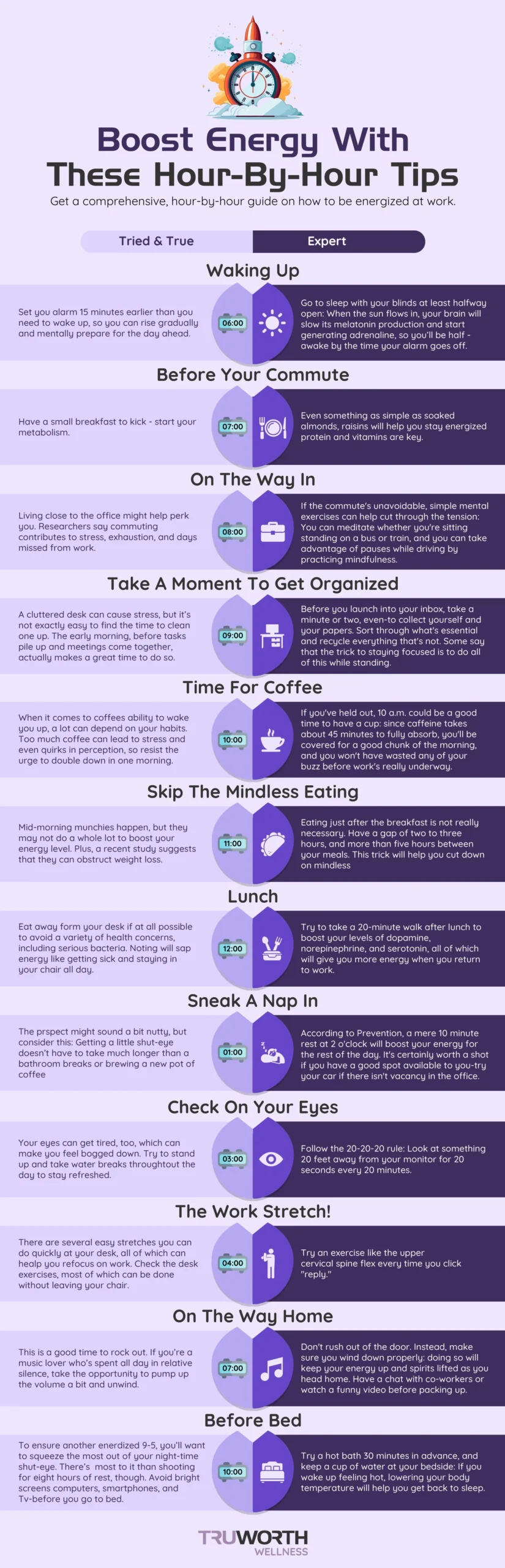
Understanding this connection helps highlight why nighttime habits matter so much. When your routine supports these natural cycles, you’re effectively setting yourself up to greet the morning with vitality and focus. It’s not just about quantity of sleep, but quality that truly determines how energized you feel the next day.
Common Nighttime Mistakes That Drain Morning Vitality
Many of us unknowingly sabotage our morning energy by engaging in habits that interfere with sleep quality. Staying up irregular hours, using electronic devices late at night, and consuming stimulating foods or drinks before bed are classic pitfalls. Even small decisions, like sleeping in a noisy or overly bright room, can chip away at your ability to fully recharge.
Recognizing these mistakes is the first step toward change. While it’s tempting to scroll through your phone or push bedtime later on busy days, these choices often lead to diminished energy come morning—a frustrating cycle that can be broken with intentional adjustments.
Step-by-Step Guide to Building an Effective Nighttime Routine
Setting a Consistent Bedtime
One of the most powerful tools for improving morning energy is simply choosing a consistent bedtime and sticking to it. Going to bed at roughly the same time every night helps regulate your circadian rhythm, making it easier to fall asleep and wake up naturally. Over time, your body will anticipate sleep, leading to deeper rest and a smoother morning wake-up.
This might mean prioritizing your evening schedule, reducing late-night commitments, or setting gentle reminders to wind down. The key is consistency—your body thrives on routine, and honoring this natural rhythm pays dividends in energy and mood.
Incorporating Relaxation Techniques for Better Sleep
Relaxation is essential for transitioning from the busyness of the day into restful sleep. Techniques such as deep breathing, meditation, or gentle stretching can calm the mind and ease physical tension. These practices activate the parasympathetic nervous system, promoting a state of restfulness.
Experiment with different methods to find what resonates. Some find journaling or reading a calming book helpful, while others prefer a warm bath or aromatherapy. The goal is to create a predictable wind-down sequence, signaling your body that it’s time to prepare for rest.
Optimizing Your Sleep Environment

Your bedroom plays a vital role in how restorative your sleep is. Ideally, it should be cool, quiet, and dark. Consider blackout curtains to block outside light, white noise machines to mask disruptive sounds, and comfortable bedding that supports your preferred sleeping posture.
Removing electronic devices from the bedroom can also minimize distractions and reduce blue light exposure. Small environmental adjustments can transform your sleep quality and, by extension, your morning energy.
Nutrition and Hydration Tips to Enhance Morning Alertness
Foods and Drinks to Avoid Before Bed
What you consume in the evening can have a surprising impact on your sleep and morning energy. Caffeine, found in coffee, tea, and many soft drinks, is a well-known stimulant that can delay sleep onset and reduce sleep quality. Ideally, it should be avoided at least six hours before bedtime.
Alcohol, while it may initially make you feel sleepy, disrupts deep sleep cycles and often leads to waking up during the night. Heavy meals or spicy foods close to bedtime can cause discomfort or indigestion, making it harder to fall asleep peacefully.
Evening Snacks That Promote Restorative Sleep
On the other hand, some light snacks can actually support better sleep. Foods rich in tryptophan, such as a small portion of turkey or yogurt, help produce serotonin and melatonin—hormones that regulate sleep. Complex carbohydrates like whole-grain toast or oatmeal can improve the absorption of these nutrients, making you feel calm and ready for rest.
Staying hydrated is important too, but try to limit water intake right before bed to avoid frequent trips to the bathroom that can interrupt sleep.
Technology and Nighttime Energy Drain: How to Manage Screen Time
Blue Light Effects on Melatonin Production
Most of us use smartphones, tablets, and computers late into the evening. Unfortunately, the blue light emitted from these screens suppresses melatonin production, the hormone responsible for signaling your body that it’s time to sleep. Reduced melatonin can delay sleep onset, decrease sleep quality, and leave you feeling sluggish the next morning.
Being aware of this effect is critical for managing nighttime energy levels. Simply reducing screen exposure before bed can make a significant difference in your ability to fall asleep effortlessly and wake up refreshed.
Tools and Apps to Help Limit Evening Screen Exposure
Luckily, there are tools designed to help us mitigate the impact of blue light. Many devices now come with built-in “night mode” settings that lower blue light emission after sunset. There are also apps that filter screen light or remind you to take breaks from digital devices in the evening.
In addition to technology, establishing “screen-free” times or zones in your evening routine encourages mindfulness and helps your brain prepare for sleep naturally.
Customizing Your Routine for Personal Success
Tracking Your Sleep and Energy Patterns
No two people are exactly the same, so creating a nighttime routine that works for you requires some experimentation. Start by tracking your sleep hours, quality, and morning energy levels. There are many apps and wearable devices that can assist in monitoring patterns and providing valuable feedback.
This information will help you identify what’s working and what isn’t, giving you the confidence to tweak your habits or environment accordingly.
Adjusting Your Routine Based on Lifestyle and Preferences
Your routine should fit your lifestyle, not the other way around. Whether you’re an early riser or a night owl, finding bedtime rituals that you enjoy increases the likelihood of sticking to them. For some, that might mean a calming cup of herbal tea before bed; for others, an evening walk might be the perfect way to unwind.
Flexibility is key. Life happens, and occasional deviations are normal. The goal is a sustainable, enjoyable routine that supports your energy needs and overall wellbeing.
Bonus Section: Quick Tips to Boost Your Energy First Thing in the Morning
Morning Movement and Stretching Ideas
Waking up doesn’t mean you have to jump straight into a hectic day. Incorporating gentle stretches or light movement first thing can stimulate blood flow and activate your muscles, helping you shake off sluggishness. Even a few minutes of mindful stretching or yoga can awaken your senses and set a positive tone for the day.
Energizing Morning Beverages and Rituals
A warm beverage tailored to your preferences can add a comforting ritual to your morning. Whether it’s a cup of herbal tea, lemon water, or moderate coffee, having a consistent ritual helps you transition into wakefulness with greater ease. Some find that practicing gratitude or setting simple intentions alongside their morning drink boosts mental clarity and motivation.
Conclusion
Creating a nighttime routine that enhances your morning energy is a blend of science, habit, and self-awareness. By understanding how sleep cycles work, avoiding common pitfalls, and deliberately cultivating relaxing evenings, you set the stage for mornings filled with vitality. Nutrition, technology management, and personal customization all play critical roles in this process.
Remember, small changes over time can lead to lasting improvements. Consistency, patience, and tuning into your body’s signals will guide you toward a nighttime routine that not only feels good but truly boosts your energy from the moment you wake up.


