
Understanding the Science Behind Brain Training
How Concentration Affects Cognitive Performance
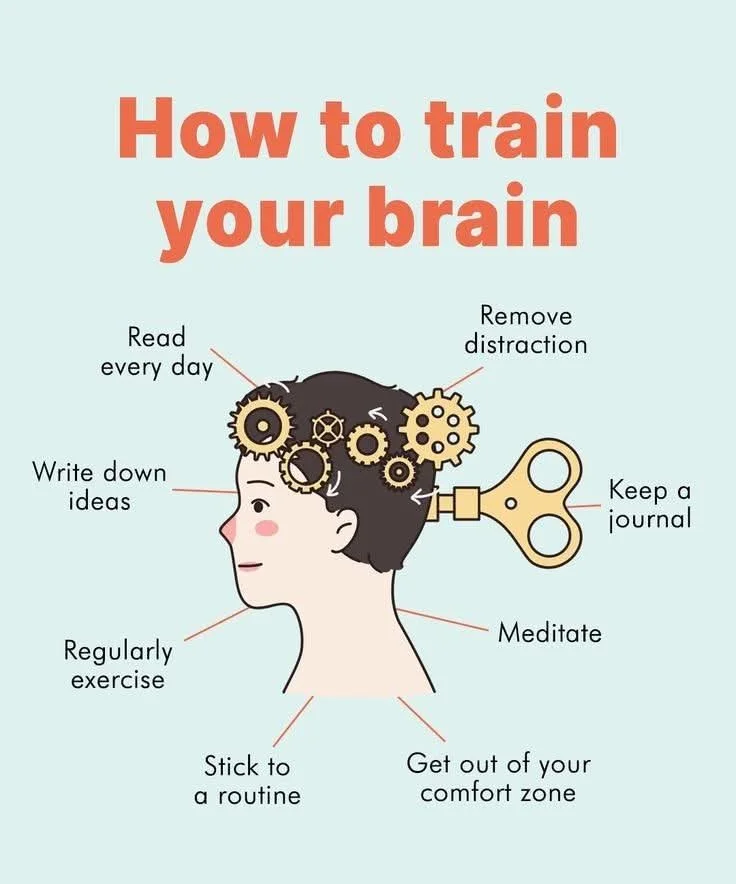
Many people struggle with maintaining concentration throughout their day, which can severely impact their cognitive performance. The problem arises because our brains are often bombarded with distractions, making it difficult to sustain focus on a single task. When concentration wanes, the brain’s ability to process and analyze information weakens, reducing productivity and learning capacity. The key cause is often a lack of structured mental exercises that train the brain to filter out irrelevant stimuli and engage deeply with the material at hand. Improving concentration through targeted brain training enhances neural pathways responsible for attention control, leading to sharper mental clarity and better decision-making.
The Role of Memory Retention in Daily Functioning
Memory retention is fundamental to how we function daily, from recalling important tasks to learning new skills. Difficulty retaining information often stems from inefficient encoding or poor retrieval processes within the brain. Without proper retention techniques, information can quickly fade, impairing both personal and professional activities. This problem becomes especially critical in environments demanding quick recall and complex problem-solving. Strengthening memory retention through consistent brain-training exercises directly supports the brain’s ability to store and retrieve information, making daily functioning smoother and more efficient.
Top Daily Exercises to Boost Concentration
Meditative Practices to Sharpen Focus
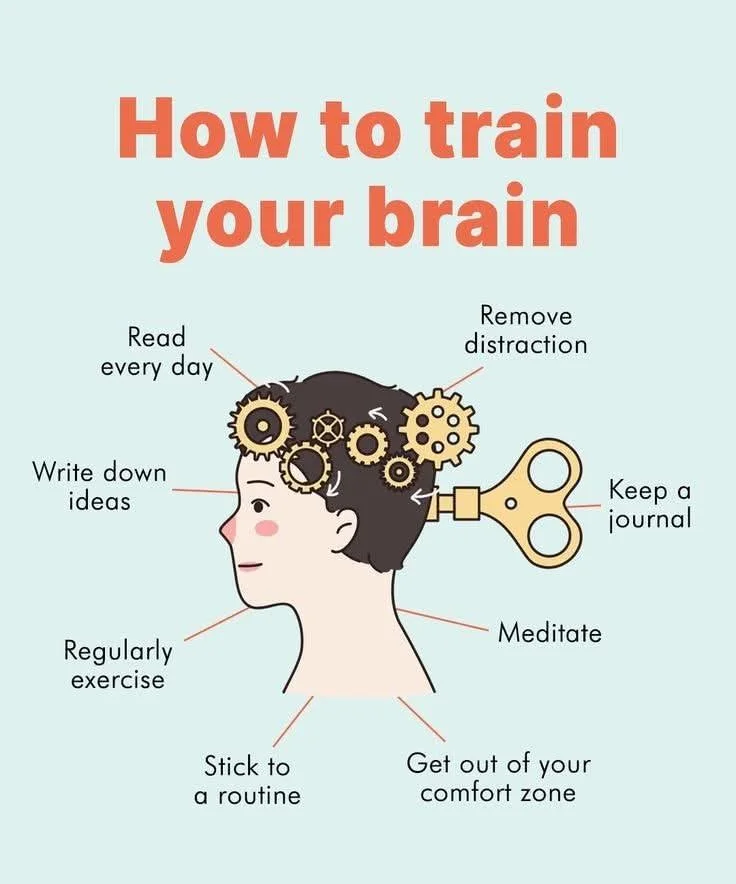
One common obstacle to improving concentration is mental clutter. Meditative practices offer a solution by calming the mind and training it to stay present. The cause of diminished focus often lies in wandering thoughts, anxiety, or overstimulation. Meditation techniques, like focused breathing or guided imagery, help reduce these distractions by promoting mindfulness and awareness. Regular meditation sessions can rewire the brain to remain attentive for longer periods, effectively increasing concentration levels in everyday activities.
Mindfulness Techniques for Increased Attention
Another prevalent challenge is the inability to sustain attention on complex or mundane tasks. Mindfulness addresses this by encouraging intentional observation of the present moment without judgment. This practice targets the underlying cause—habitual multitasking and fragmented attention spans—by cultivating a habit of single-task focus. Daily application of mindfulness, such as mindful walking or conscious eating, enhances attentional control and prevents the scattered mental state that hinders cognitive engagement.
Simple Physical Activities That Enhance Brain Function
People often overlook the connection between physical movement and mental clarity, which leads to missed opportunities for boosting brain health. Physical activities increase blood flow and oxygen supply to the brain, invigorating neural networks involved in concentration. Even short bouts of aerobic exercise or coordination drills can refresh the mind and prepare it for focused work. Incorporating simple physical routines daily combats the sedentary lifestyle factor that commonly undercuts mental performance.
Memory Enhancement Techniques to Practice Every Day
Using Visualization and Association Methods
One reason for poor memory retention is relying solely on rote memorization without meaningful connections. Visualization and association techniques solve this by creating vivid mental images linked to new information, making it easier to remember. The problem with traditional memorization is that it lacks contextual anchors, leading to rapid forgetting. By incorporating imagery and associative links, the brain forms stronger memory traces, allowing for longer retention and quicker recall in practical situations.
Implementing Repetition and Spaced Learning
A common pitfall in memory training is inconsistent review of information, which diminishes its retention over time. Repetition and spaced learning overcome this challenge by strategically timing review sessions to reinforce memory consolidations. The cause behind forgetfulness often lies in cramming or insufficient exposure to material. By spacing out learning and repeating content at intervals, the brain better consolidates memories, reducing the risk of forgetting and boosting long-term retention.
Leveraging Technology and Apps for Memory Training
Modern distractions can make it difficult to engage in traditional memory exercises. Technology-based memory training tools provide interactive and adaptive solutions that fit into busy lifestyles. However, the problem arises when people use these tools inconsistently or choose ineffective apps. The key is selecting scientifically validated programs that challenge memory in varied ways and integrating them into daily routines. This approach ensures engaging, measurable progress while avoiding passive or ineffective memory drills.
Creating a Personalized Brain Training Routine
Balancing Challenge and Consistency
Many individuals fail to see benefits from brain training because they either under-challenge themselves or lack consistency. The root cause is an imbalance between mental stimulation and routine commitment. Overly easy exercises fail to promote growth, while irregular practice prevents skill development. A well-balanced routine gradually increases difficulty while maintaining regularity, ensuring continuous cognitive improvement without burnout. Personalization is key to aligning exercises with one’s abilities and goals.
Tracking Progress and Adjusting Techniques
Without proper tracking, it’s easy to become discouraged or unaware of one’s actual improvements. This lack of feedback often causes stagnation or abandonment of brain training efforts. By monitoring performance, whether through journals or digital tools, individuals can identify what works and where adjustments are needed. Tailoring techniques based on progress data creates a dynamic approach that evolves alongside the trainee’s cognitive gains, fostering sustained motivation and effectiveness.
Nutrition and Lifestyle Habits Supporting Brain Health
Foods That Foster Better Concentration
Ignoring nutrition can undermine even the most rigorous brain-training efforts. The brain requires specific nutrients, such as omega-3 fatty acids, antioxidants, and vitamins, to function optimally. The cause of mental fog and poor concentration often traces back to dietary deficiencies. Including brain-supportive foods like fatty fish, berries, and nuts ensures the brain receives essential fuel and protection against cognitive decline, amplifying the effects of daily mental exercises.
Sleep and Its Impact on Memory Retention
Poor sleep habits directly impair memory formation and concentration. The brain consolidates memories and clears toxins during sleep, so inadequate rest disrupts these vital processes. The root problem in sleep-related cognitive decline is often irregular sleep schedules or insufficient duration. Prioritizing consistent, quality sleep supports memory retention and overall cognitive resilience, making brain training more effective and sustainable.
Stress Management for Cognitive Clarity
Chronic stress impairs both concentration and memory by flooding the brain with stress hormones that disrupt neural communication. The cause often lies in unmanaged daily pressures or lack of coping strategies. Effective stress management through relaxation techniques, exercise, or social support restores cognitive clarity and enables the brain to work at its full potential. Integrating stress reduction into a brain health plan is essential for maintaining focus and information retention.


