
Introduction to Breaking Down Overwhelming Tasks with Journaling
We’ve all faced moments when a mountain of tasks feels impossible to tackle. Overwhelm can creep in quickly, making it hard to focus or even start. Journaling offers a powerful way to break down these intimidating to-dos into manageable pieces. By putting pen to paper, you can unravel complex projects, prioritize effectively, and regain a clear sense of direction.
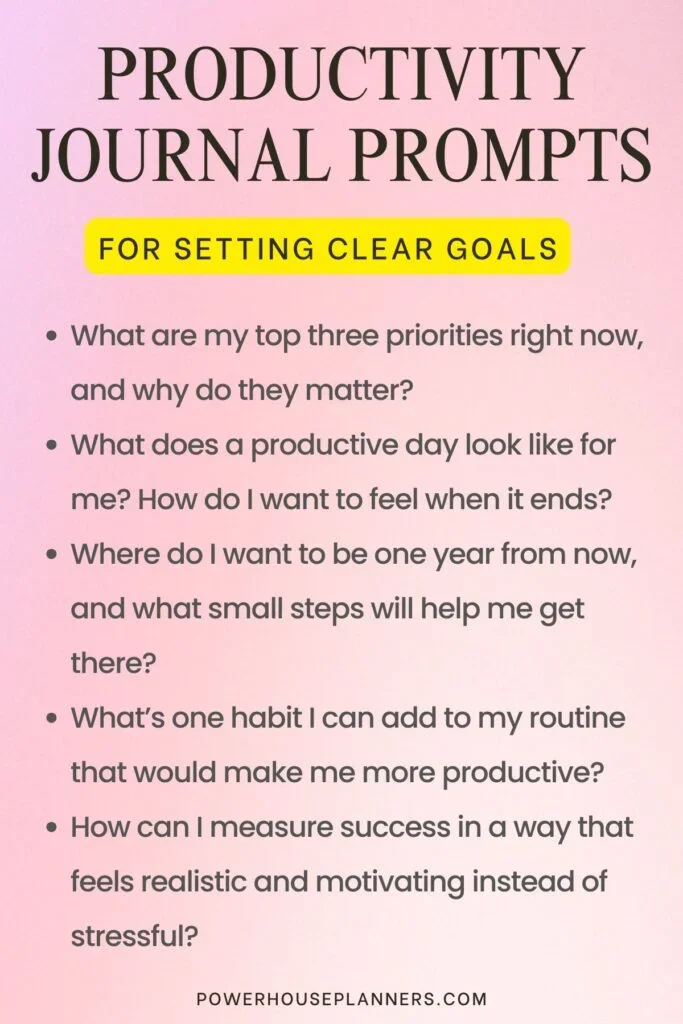
This article will explore how journaling can transform your approach to overwhelming tasks. You’ll find practical prompts and strategies to help you organize your workload, boost productivity, and reduce stress, making the day feel more controllable and productive.
The Psychological Impact of Overwhelm on Productivity
How Overwhelm Hampers Focus and Motivation
When tasks pile up, the brain often perceives them as threats rather than challenges. This feeling of overwhelm can trigger anxiety, decrease motivation, and scatter your focus. Instead of moving forward, you might find yourself stuck in a loop of procrastination or indecision. The flood of thoughts about what needs to be done can create mental fatigue, making even simple tasks seem daunting.

Understanding this mental block is crucial because it highlights why traditional task lists might not always work. Overwhelm reduces clarity, and without clarity, productivity suffers.
The Role of Journaling in Mental Clarity
Here is where journaling shines. Writing down your thoughts and tasks externalizes the chaos inside your head. This act of organizing your worries and responsibilities on paper brings mental clarity and calms anxieties. Journaling encourages reflection, allowing you to spot patterns, understand your priorities better, and develop a structured approach to your work.
By untangling thoughts and splitting complex projects into smaller chunks on paper, you create a plan that’s easier to follow—and less overwhelming to act on.
Essential Journaling Prompts to Identify and Prioritize Tasks
Discovering Root Causes of Overwhelm
Before you can solve the problem of overwhelm, you need to identify what’s causing it. Journaling prompts such as “What specific tasks are causing me the most stress?” or “Which deadlines feel unmanageable right now?” help bring these sources into focus. You might discover that a vague goal is paralyzing progress because it hasn’t been clearly defined, or multiple overlapping deadlines are the main stressor.
Answering such questions opens the door to practical solutions because pinpointing the real obstacles allows you to address them directly.
Breaking Projects into Manageable Steps
Once the overwhelming elements are clear, the next step is to chunk them down. Prompts like “What is the very next small step I can take on this project?” or “How can I divide this large task into daily actions?” invite you to break things apart.
This process transforms intimidating projects into a sequence of achievable tasks. Instead of facing an enormous goal, you focus on what’s doable today, tomorrow, or this week. Journaling becomes your roadmap, mapping out clear progress paths one small step at a time.
Step-by-Step Guide: Using Prompts to Organize Your Day
Morning Reflection Prompts
Starting your day with journaling sets a productive tone. Use prompts like “What are the top three tasks I need to focus on today?” or “What potential distractions should I prepare for?” This quiet moment of planning helps prioritize your day, so you don’t get derailed by less important activities. It’s a simple way to center your attention on what matters most.
Also, reflecting on your energy levels and mindset with questions such as “How am I feeling today?” can guide you toward pacing your tasks better.
Midday Check-In Prompts
The middle of the day is a perfect time for a quick journaling check-in. Ask yourself, “What progress have I made so far?” or “Are there any tasks I should adjust or postpone?” This helps you stay realistic about what’s achievable without burning out. Sometimes, tasks pile up later than expected, and this moment allows for necessary course corrections.
It’s also a chance to capture any new thoughts or ideas that arose and integrate them into your plan.
Evening Review Prompts
At the end of the day, reflect on accomplishments and setbacks by journaling questions such as, “What did I complete today?” and “What challenges slowed me down?” This helps cultivate self-awareness and recognize patterns in your productivity.
Closing the journal with a positive note like “What am I proud of today?” fosters motivation for the days to come.
Creative Ways to Customize Your Journaling Practice
Incorporating Visuals and Mind Maps
Not everyone prefers just writing. Adding visuals like mind maps or drawings can offer a different way to unpack tasks. Mind maps are especially helpful for brainstorming and seeing connections between parts of a project. Sketching out a flowchart or timeline can turn abstract plans into concrete images, making them easier to follow.
Using colors to highlight priority levels or deadlines can also enhance clarity and engagement, turning journaling into a more dynamic, personalized practice.
Combining Prompts with Time-Blocking Techniques
Pairing journaling with time-blocking can supercharge your productivity. After identifying task priorities through prompts, allocate specific chunks of time on your calendar to focus solely on each action. This technique limits distractions and builds momentum.
Journaling helps you decide what to block off, while time-blocking ensures you stick to those priorities. Together, they form a powerful duo that keeps overwhelm at bay and maximizes focus.
Long-Term Benefits of Journaling for Sustained Productivity
Making journaling a habit can create lasting change. Over time, you develop sharper self-awareness, improved task management skills, and stronger discipline. Journaling becomes a personal archive where you can track progress, setbacks, and lessons learned. This ongoing reflection fosters resilience, making it easier to face new challenges without feeling overwhelmed.
Moreover, this practice supports mental wellbeing by reducing anxiety and clarifying goals regularly, turning productivity into a habit rather than a stressful sprint.
By consistently using journaling prompts to break down overwhelming tasks, you cultivate a sustainable workflow that keeps you engaged, efficient, and less stressed every day.


