
Introduction to Hydration and Metabolism
Why Hydration Matters for Your Body
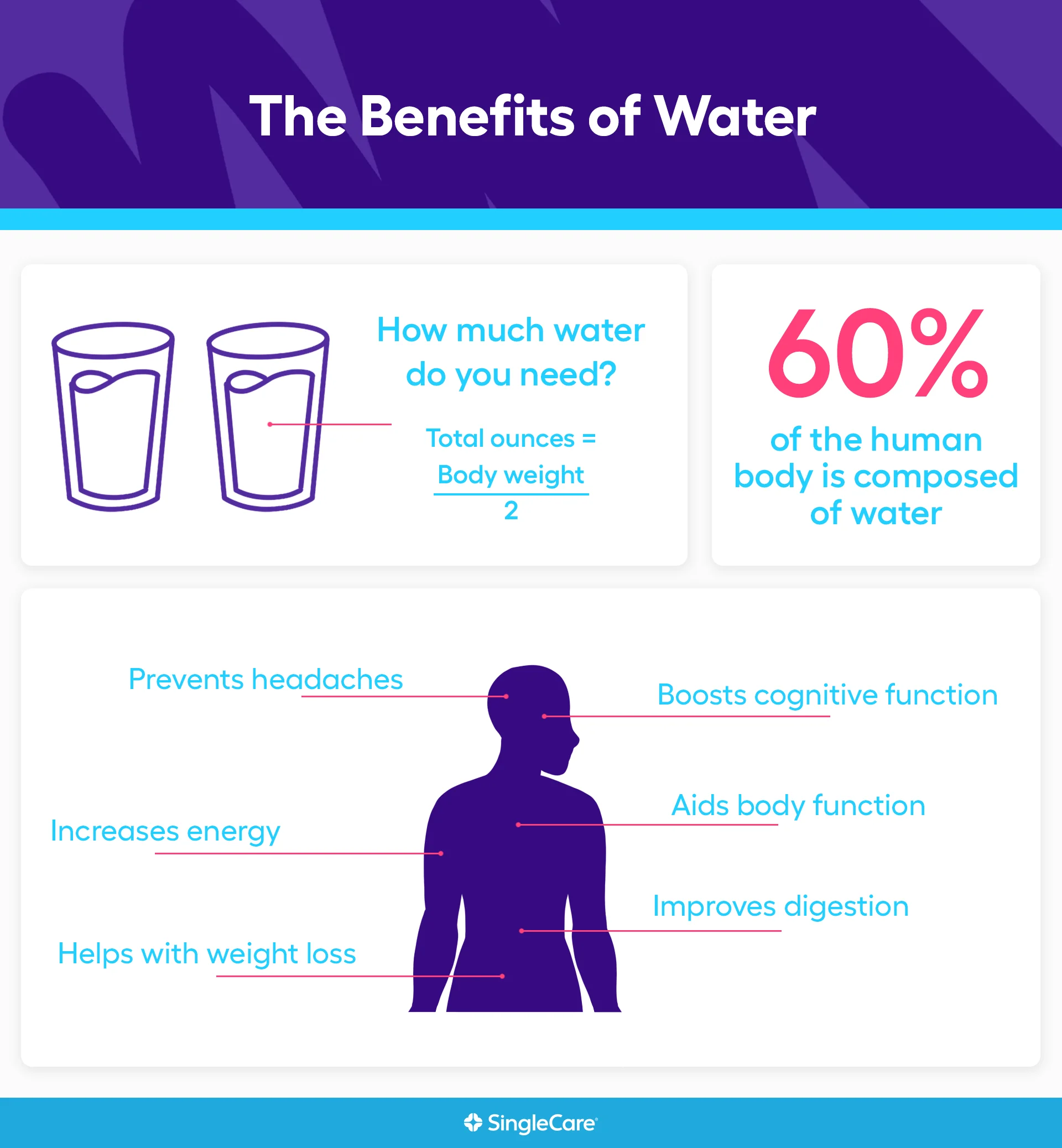
Water is essential for nearly every function in the human body, from regulating temperature to transporting nutrients. Despite its crucial role, many people overlook hydration as a key factor in maintaining overall health. Proper hydration supports cellular processes, helps flush out toxins, and keeps organs functioning optimally. When the body lacks sufficient water, these processes can slow down or become impaired, affecting energy levels and well-being.
Understanding Metabolism: The Basics
Metabolism refers to the complex set of chemical reactions in the body that convert food into energy. It includes both the energy used to maintain basic bodily functions at rest and the energy expended during physical activity. Metabolic rate varies among individuals and can be influenced by factors such as age, genetics, muscle mass, and lifestyle. Understanding metabolism is important because it affects how efficiently the body uses calories and maintains weight.
The Science Behind Water Intake and Metabolic Rate
How Water Influences Energy Expenditure
One challenge in understanding the relationship between water and metabolism is separating hydration effects from other variables. Water intake can increase energy expenditure temporarily, a process known as water-induced thermogenesis. When you drink cold water, your body uses energy to warm it to body temperature, slightly increasing calorie burn. However, this effect is modest and often short-lived, meaning water alone is unlikely to cause a significant or lasting metabolic boost.
Studies Linking Water Consumption to Metabolic Boost
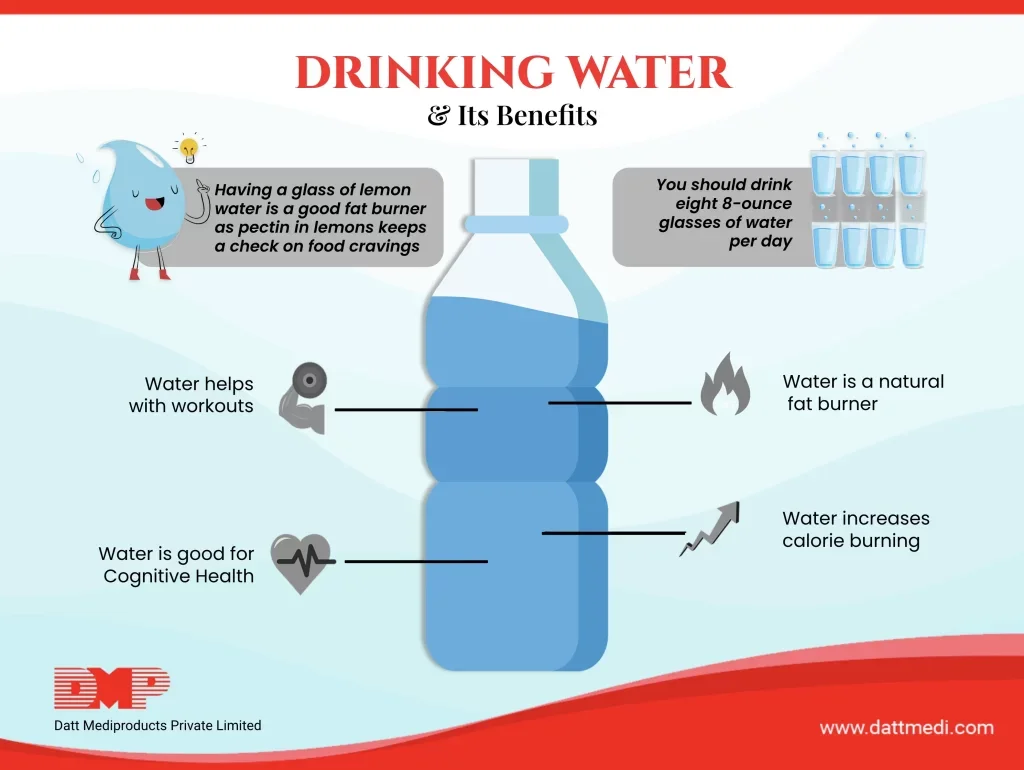
Research has examined whether drinking more water leads to greater metabolic rates. Some studies suggest a small increase in resting energy expenditure after consuming 500 milliliters of water, particularly in healthy adults. Yet, these increases are generally modest and may vary depending on an individual’s hydration status and body composition. It’s important to recognize that water is just one factor; metabolism is influenced by a mix of diet, activity, and other lifestyle habits.
Hydration’s Role in Appetite Regulation
Water as a Natural Appetite Suppressant
Feeling hungry when the body is actually thirsty is a common issue that can lead to overeating. Water has been shown to help reduce feelings of hunger by filling the stomach and triggering signals that contribute to a sense of fullness. Drinking water before meals may help some people eat less, although this varies individually. Proper hydration can prevent confusing thirst with hunger, which is a subtle but important way water supports weight management.
Timing Your Water Intake for Better Appetite Control
When you drink water can influence how it impacts hunger and calorie consumption. Drinking a glass of water about 30 minutes before a meal may promote a feeling of fullness, potentially reducing food intake during the meal. Conversely, drinking water too quickly or during a meal might not have the same effect. It’s also essential to spread water consumption throughout the day to maintain consistent hydration, which supports overall energy balance and helps avoid unnecessary snacking driven by mild dehydration.
Practical Advice: How Much Water Should You Drink?
Daily Recommendations Based on Activity Level
Determining the right amount of water varies widely depending on factors like climate, exercise intensity, and personal health. A common guideline is about eight 8-ounce glasses (roughly 2 liters) per day, but physically active individuals or those in hot environments will need more to replace fluids lost through sweat. Listening to thirst cues is a natural starting point, but proactive hydration before, during, and after activity ensures the body remains well supplied with fluids necessary for metabolic processes.
Signs of Proper Hydration and When to Adjust Intake
Recognizing when you are well hydrated involves observing subtle signs rather than relying solely on fixed volume goals. Light-colored urine, stable energy levels, and absence of dry mouth are indicators of sufficient hydration. On the other hand, dark urine, headaches, or fatigue may suggest the need to increase fluid intake. Adjusting water consumption to align with changing activity levels and environmental conditions helps maintain optimal hydration, which in turn indirectly supports metabolic function.
Myths and Misconceptions About Water and Metabolism
Debunking Common Claims
A popular myth is that drinking excessive amounts of water dramatically speeds up metabolism and leads to rapid weight loss. While water-induced thermogenesis can temporarily increase calorie burning, this effect is minimal and should not be seen as a standalone solution for weight management. Another misconception is that thirst always signals dehydration; sometimes it can be confused with hunger or other bodily sensations. Understanding these nuances prevents unrealistic expectations and encourages a balanced approach to hydration and metabolism.
Conclusion: Maximizing Benefits Through Smart Hydration Habits
Proper hydration is a foundational aspect of maintaining a healthy metabolism and supporting appetite control. While drinking more water can slightly increase metabolic rate and help regulate hunger, these effects are subtle and best viewed as part of a holistic lifestyle approach. Consistently drinking enough water tailored to your activity level and environment, while being mindful of hydration signals, yields the most benefit. Focusing on smart, sustainable hydration habits rather than quick fixes enhances overall well-being and supports metabolic health over time.


