
Introduction to Chair Exercises for Older Adults
Why Balance and Flexibility Matter in Aging
As we age, maintaining balance and flexibility becomes crucial for daily functioning and injury prevention. These abilities help older adults stay independent, reduce the risk of falls, and improve overall quality of life. Decreased flexibility can lead to stiffness and discomfort, while poor balance increases the likelihood of accidents.
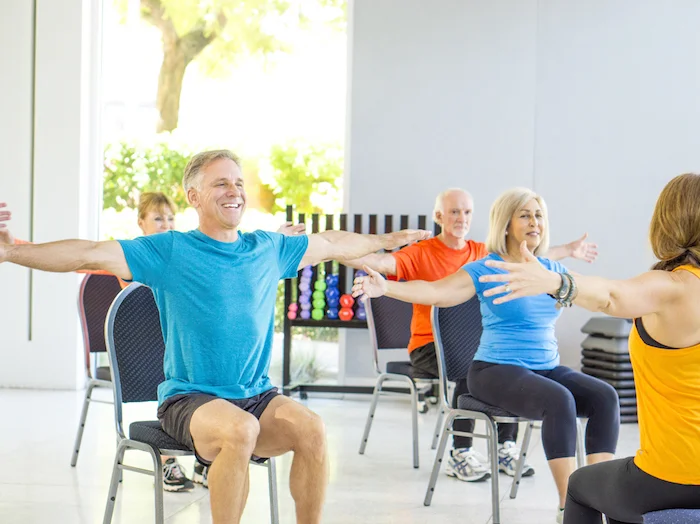
The Role of Chair Exercises in Senior Fitness
Chair exercises offer a safe and accessible way for seniors to enhance their balance and flexibility. They provide support, minimize strain, and allow gradual improvement even for those with limited mobility or chronic conditions. This approach supports muscle strength and joint movement without the risks associated with standing workouts.
Getting Started: Preparing for Chair Exercises
Choosing the Right Chair
Select a sturdy chair without wheels, preferably with armrests and a flat seat. The chair should be at a height that allows feet to rest flat on the floor to promote stability. Avoid soft or cushioned seats that may cause imbalance or slipping.
Essential Safety Tips and Precautions
Before starting, clear the surrounding area to avoid tripping hazards. Wear comfortable, non-slip footwear, and consider having a family member or caregiver nearby for assistance. Begin exercises slowly and stop if any pain or dizziness occurs. Consulting a healthcare provider before starting any new fitness routine is advisable.
Effective Chair Exercises to Improve Balance
Seated Leg Lifts
Seated leg lifts strengthen lower-body muscles and improve balance. Sit upright with feet flat, then lift one leg straight ahead, hold briefly, and lower slowly. Repeat on the other leg. This controlled movement enhances stability and muscle tone.
Heel and Toe Raises
Heel and toe raises help improve ankle strength and proprioception. While sitting, raise heels off the floor keeping toes down, then switch by lifting toes while heels remain grounded. This exercise promotes ankle mobility and reduces fall risk.
Seated Marching Techniques
Seated marching mimics walking motions, stimulating balance and coordination. Lift knees alternately towards the chest while seated, engaging core muscles. Increasing speed gradually boosts cardiovascular benefits while maintaining support.
Flexibility-Boosting Chair Exercises
Seated Spinal Twist
This exercise improves spinal mobility and postural flexibility. Sit upright, place one hand on the opposite knee, and gently twist your torso without forcing the movement. Hold for a few seconds, then switch sides. It helps relieve stiffness and promotes range of motion.
Arm and Shoulder Stretches
Gentle stretches targeting arms and shoulders enhance upper body flexibility. Extend one arm across the chest and use the other arm to pull it closer, feeling a stretch in the shoulder. These movements reduce tension and improve circulation.
Hamstring and Calf Stretches While Seated
To stretch hamstrings, extend one leg forward with heel on the floor, lean slightly towards your toes without rounding the back. For calf stretches, flex and point the toes gently. Both stretches increase muscle flexibility essential for easier movement.
Designing a Weekly Chair Exercise Routine
Balancing Intensity and Rest Days
Consistency is key, but balance between activity and rest ensures recovery. Aim for 3 to 5 sessions per week, combining balance and flexibility exercises. Incorporate rest days to prevent fatigue and encourage muscle repair.
Progress Tracking and Adjusting Exercises
Keep a simple log to track improvements, such as increased repetitions or longer hold times. Gradually increase intensity by adding more repetitions or extending duration. If certain movements cause discomfort, modify or skip to suit individual needs.
Additional Tips for Enhancing Mobility and Safety
Incorporating Breathing Techniques
Controlled breathing during exercises enhances relaxation and oxygen intake. Inhale deeply before a movement and exhale slowly while performing it. This approach supports focus and reduces unnecessary tension.
Using Supportive Accessories
Supportive accessories like resistance bands or cushions can enhance workouts. Bands add gentle resistance for strength building, while cushions improve seating comfort and posture. Always ensure accessories are safe and appropriate for individual fitness levels.


