
Why Antioxidants are Essential for Age-Resistant Skin
Understanding Free Radicals and Skin Aging
One of the main challenges in maintaining youthful, glowing skin is the constant attack of free radicals. These unstable molecules are generated by exposure to sunlight, pollution, and even normal metabolic processes. Free radicals cause damage to skin cells by breaking down collagen and elastin, which are essential proteins for firmness and elasticity. Over time, this damage accelerates visible signs of aging such as wrinkles, fine lines, and dullness.
How Antioxidants Combat Skin Damage
Antioxidants act as a powerful defense mechanism by neutralizing free radicals before they can harm skin cells. They donate electrons to stabilize these harmful molecules, thereby preventing cellular damage and inflammation. This protective effect helps to preserve the skin’s structural integrity and promote a radiant complexion. Incorporating antioxidant-rich foods into your diet supports this natural defense, reducing premature aging and enhancing overall skin health.
Top Antioxidant-Rich Foods to Include in Your Diet
Fruits Packed with Skin-Enhancing Nutrients
Fruits like berries, oranges, and pomegranates are exceptional sources of antioxidants such as vitamin C, flavonoids, and polyphenols. Vitamin C is crucial for collagen synthesis and helps reduce pigmentation, leading to a brighter skin tone. Berries, especially blueberries and strawberries, contain anthocyanins that protect skin from environmental damage while also promoting repair. Including a variety of these colorful fruits ensures a steady supply of skin-protecting compounds.
Vegetables That Boost Your Skin’s Glow
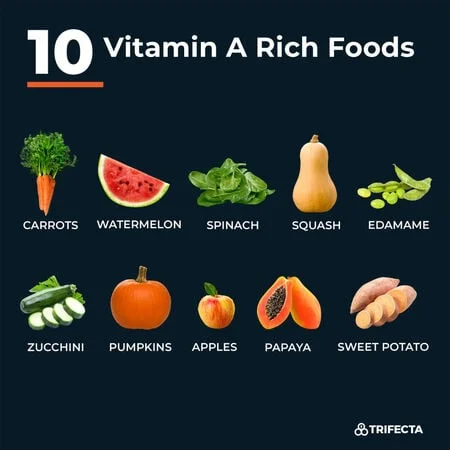
Leafy greens such as spinach and kale are rich in vitamins A, C, and E, which work synergistically to maintain skin moisture and elasticity. Bright vegetables like carrots and sweet potatoes offer beta-carotene, a precursor to vitamin A, that supports skin cell regeneration. These nutrient-dense vegetables help counteract oxidative stress and maintain a youthful, hydrated complexion.
Nuts, Seeds, and Other Superfoods for Skin Health
Nuts and seeds, including almonds, walnuts, and flaxseeds, provide essential fatty acids and vitamin E, which play a pivotal role in protecting the skin barrier and preventing moisture loss. Additionally, superfoods such as green tea and dark chocolate contain potent antioxidants that reduce inflammation and improve skin texture. Integrating these into your diet can enhance skin resilience from within.
Easy Ways to Add These Foods into Your Daily Meals
Breakfast Ideas Loaded with Antioxidants
Starting your day with antioxidant-rich foods need not be complicated. A simple bowl of oatmeal topped with fresh berries and a sprinkle of flaxseeds offers a nourishing and skin-friendly breakfast. Smoothies blending spinach, banana, and a handful of walnuts provide a convenient way to absorb multiple antioxidants at once. These options not only taste great but also establish a strong foundation for skin health early in the day.
Lunch and Dinner Recipes for Radiant Skin
For lunch and dinner, consider colorful salads loaded with kale, pomegranate seeds, and grilled salmon, which offers omega-3 fatty acids alongside antioxidants. Stir-fries combining broccoli, carrots, and garlic deliver a potent nutritional punch that supports skin repair mechanisms. Emphasizing variety and color in your meals ensures a broad spectrum of antioxidants that work together to enhance your skin’s glow.
Snack Options That Nourish From Within
Incorporating antioxidant-rich snacks can maintain your skin’s vitality throughout the day. Opt for a small portion of mixed nuts or a cup of green tea paired with dark chocolate. Fresh fruit slices such as oranges or kiwi make for refreshing, antioxidant-packed treats. Choosing these snacks prevents reliance on processed options that often lack skin-supporting nutrients and may contribute to inflammation.
Additional Lifestyle Tips to Maximize Skin Benefits
Hydration and Its Role in Skin Radiance
While antioxidants are vital, adequate hydration is equally important for maintaining supple skin. Water helps flush out toxins and supports cellular functions, enhancing the effectiveness of antioxidants. Dehydrated skin appears dull and more prone to wrinkles, so balancing antioxidant intake with proper fluid consumption provides a holistic approach to radiant, age-resistant skin.
Sun Protection and Antioxidants: A Perfect Pair
Sun exposure is a major factor in skin aging due to the generation of free radicals. Using sunscreen protects the skin from harmful UV rays, but combining this with dietary antioxidants creates a more robust defense. Antioxidants help mitigate oxidative stress caused by sun exposure, reducing inflammation and preventing long-term damage. Together, these strategies ensure skin stays healthier and more youthful over time.


