
Introduction to Creating a Kid-Friendly Art Station
Setting up a kid-friendly art station at home can transform a simple corner into a vibrant creativity hub for children. Often, parents want to nurture artistic skills but struggle with how to design a space that is both inspiring and practical for young artists. Without a dedicated area tailored to their needs, children may find it challenging to engage fully or maintain an interest in art activities.
Why an Art Station is Crucial for Child Development
An art station is more than just a place to draw or paint; it plays a vital role in child development. Artistic expression helps kids build fine motor skills, improve problem-solving abilities, and develop emotional intelligence by conveying feelings visually. Kids exposed to regular creative activities tend to have heightened imagination and a better ability to focus. Providing a dedicated space encourages consistent practice, boosting confidence and fostering a lifelong appreciation for creativity.
Key Elements to Consider Before Setting Up
Before assembling an art station, thoughtful planning is essential to ensure the space truly supports creativity and safety. Consider factors such as the child’s age, preferred types of materials, and available room at home. The station should accommodate growth and evolving interests, making flexibility important. Additionally, parental supervision needs and ease of maintenance must be taken into account. Addressing these considerations upfront sets the stage for a successful and enjoyable art corner.
Choosing the Ideal Location for the Art Station
Safety and Accessibility Factors
Choosing where to place an art station involves balancing safety with accessibility. The area should be free from hazards like sharp edges or breakable items, especially when younger children are involved. Accessibility means the child can easily reach supplies and tools without constant adult assistance, encouraging independence. Natural light is also beneficial, but avoid spots near windows where direct sunlight might damage materials or cause discomfort during peak hours.
Space Optimization Tips

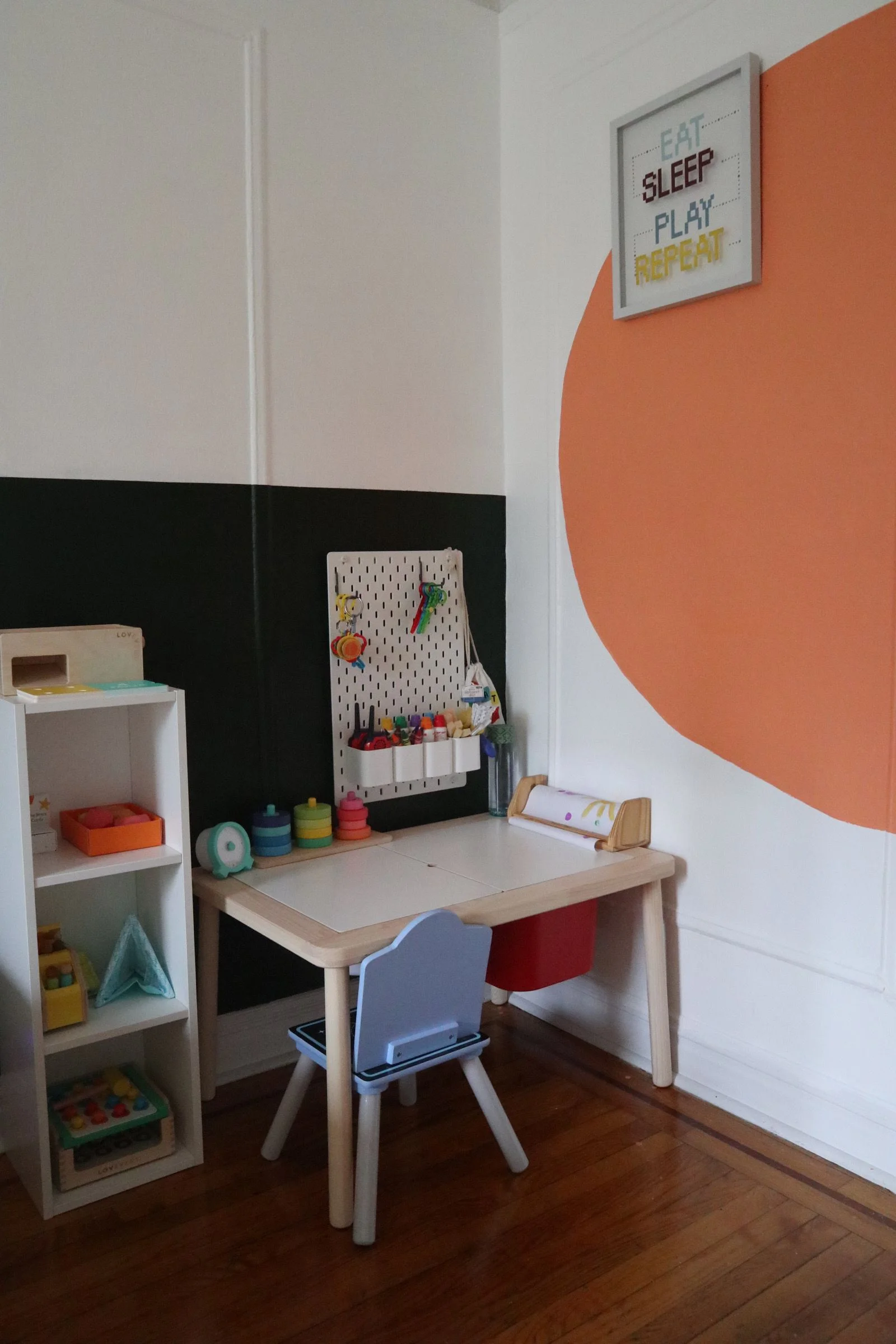
Many families face space constraints, making optimization crucial. Selecting a corner or a small section of a room dedicated solely to art can maximize use without overwhelming the environment. Vertical storage solutions like wall-mounted shelves free up floor space and make organizing easier. Choosing compact, multi-functional furniture designed for easy movement allows the art station to be tidied or adapted swiftly for different activities or group participation.
Essential Supplies and Materials
Non-Toxic and Child-Safe Art Tools
Using safe, non-toxic supplies is paramount to protect children’s health while encouraging creativity. Parents should prioritize materials specifically labeled as child-friendly, such as washable paints, glue sticks, and markers free of harmful chemicals. Age-appropriate tools like rounded scissors and sturdy brushes reduce risk of injury. Investing in quality supplies that endure repeated use helps maintain a pleasant and sustainable art experience.
Organizing Supplies for Easy Use and Clean-Up
Disorganization can quickly turn an inviting art station into a frustrating mess. Establishing simple systems for storing and categorizing materials improves usability and teaches kids responsibility. Containers and trays for different art mediums help minimize clutter and make clean-up straightforward. Limiting the number of supplies out at once reduces overwhelm and encourages mindful selection. This structured environment supports creativity without sacrificing order.
Design Ideas to Stimulate Creativity
Color and Decoration Tips for an Inviting Space
The visual appeal of the art station greatly impacts motivation and mood. Using bright, cheerful colors in the décor can inspire enthusiasm and energy, while softer tones promote calm and focus. Personalizing the space with kids’ artwork or motivational phrases adds a sense of ownership and pride. Including tactile elements such as textured wall panels or fabric hanging art can engage multiple senses, further enriching the creative atmosphere.
Flexible Layouts for Different Art Activities
Art involves a variety of activities, each requiring different setups. Designing a flexible layout allows a child to shift comfortably from painting to sculpting or drawing. Adjustable tables or foldable surfaces can accommodate both solo projects and collaborative work with friends or siblings. Ensuring adequate room for movement and access to water for cleaning brushes expands possibilities, preventing the space from feeling restrictive.
Incorporating Storage Solutions
Using Bins, Shelves, and Caddies Effectively
Storage plays a crucial role in maintaining a kid-friendly art area that remains functional over time. Open shelves allow for visibility so children can quickly find needed supplies. Color-coded bins or transparent containers simplify categorizing materials and make returning items less of a chore. Portable caddies enable easy transportation of tools between rooms or outdoor spaces, fostering more spontaneous creativity sessions.
Labeling and Sorting to Foster Independence
Labels with pictures or words tailored to the child’s reading level encourage autonomy by guiding them on where each supply belongs. This system turns clean-up into an engaging routine rather than a tedious task. Sorting supplies by type or frequency of use helps children develop organizational skills and respect for their creative environment. Over time, these habits lead to more efficient and enjoyable art experiences.
Encouraging Creative Habits Through Routine
Setting Art Time and Clean-Up Rituals
Establishing a consistent art time helps children view creativity as a valued part of their daily routine. Predictable sessions create anticipation and build discipline. Incorporating clean-up rituals at the end of each activity teaches responsibility and respect for shared spaces. Making these rituals fun, maybe with a clean-up song or reward system, ensures they are embraced rather than resisted.
Involving Kids in Planning and Decision Making
Empowering children to participate in choosing supplies, décor, and even the layout of their art station fosters a stronger connection to the space. When kids feel ownership, they are more likely to care for and utilize their art station regularly. Involving them in decisions also sharpens their planning and communication skills, reinforcing creativity beyond the artistic process.
Additional Resources and Ideas
DIY Art Station Projects
Creating parts of the art station by hand alongside your child can be both a fun project and a learning opportunity. Simple designs for storage units or desk organizers crafted from recycled materials teach resourcefulness and sustainability. These DIY projects add a personal touch that enhances the uniqueness of the space while keeping costs manageable.
Recommended Art Programs and Inspiration for Kids
Supplementing home art activities with structured programs or online tutorials can expand a child’s skill set and introduce new techniques. Local community centers or art schools often offer workshops tailored to different age groups. Virtual platforms provide diverse content that can ignite fresh inspiration and keep creative momentum strong, especially when physical classes are unavailable.
Conclusion
Designing a kid-friendly art station that truly encourages creativity requires careful attention to safety, organization, and personalization. By addressing common challenges such as clutter, lack of space, or uninspiring environments, parents can create a nurturing spot that supports artistic growth. Prioritizing routine and involving children in decisions fosters lasting creative habits. With the right setup and mindset, an art station becomes a joyful place where imagination flourishes and children develop valuable skills.


