
Introduction to Mindful Breathing
What is Mindful Breathing?
Mindful breathing is a simple yet powerful practice that involves paying close attention to the natural rhythm of your breath. It means observing each inhale and exhale without trying to control it, fostering a deeper connection between your mind and body. This practice encourages presence, helping individuals anchor their awareness in the current moment rather than becoming overwhelmed by distractions or stress.
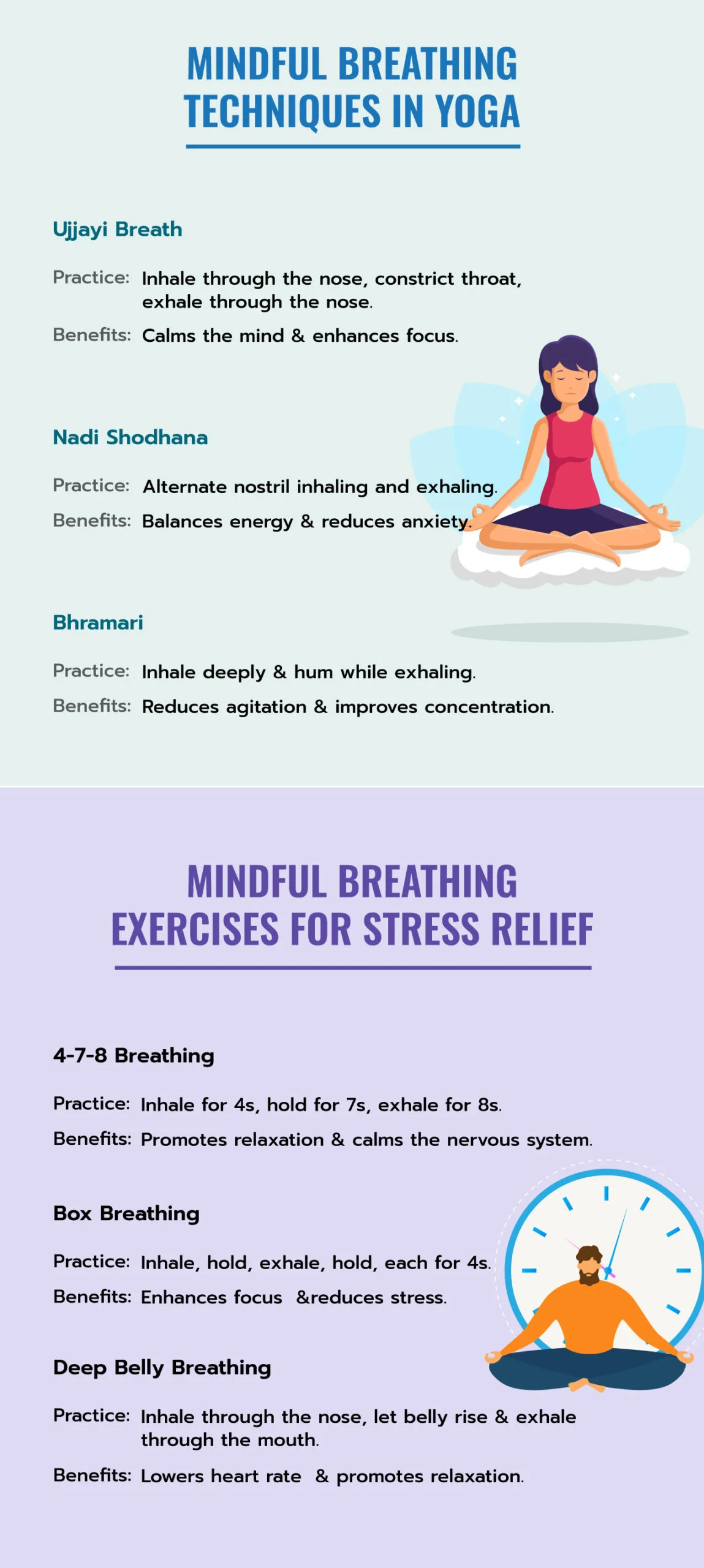
The Science Behind Mindful Breathing
Scientific studies reveal that mindful breathing activates the parasympathetic nervous system, which supports relaxation and stress reduction. By engaging with the breath thoughtfully, the body lowers cortisol levels, helping to ease tension and promote calm. Brain imaging research shows increased activity in areas linked to emotional regulation and decreased activation in regions associated with anxiety and rumination. This evidence underscores why mindful breathing is more than just a wellness trend—it’s a tool grounded in measurable benefits for the human mind and body.
Benefits of Mindful Breathing in Everyday Life
Physical Health Improvements
Many people struggle with physical symptoms linked to stress, such as muscle tightness, headaches, or elevated heart rates. Mindful breathing helps counter these effects by encouraging deeper oxygen exchange and activating relaxation responses. Improved breathing patterns can also enhance lung capacity and circulation, supporting overall vitality. When practiced regularly, mindful breathing can serve as a natural way to manage physical discomfort triggered by daily pressures.
Mental and Emotional Well-being
The constant rush of thoughts and emotions can leave individuals feeling overwhelmed and disconnected. Mindful breathing acts as an anchor that promotes mental clarity and emotional balance. It helps to reduce feelings of anxiety by encouraging a calm focus, allowing emotions to be noticed without escalating them. Over time, this practice builds resilience against stressors and supports a more compassionate, patient mindset in day-to-day challenges.
Preparing for Mindful Breathing Practice
Setting the Right Environment
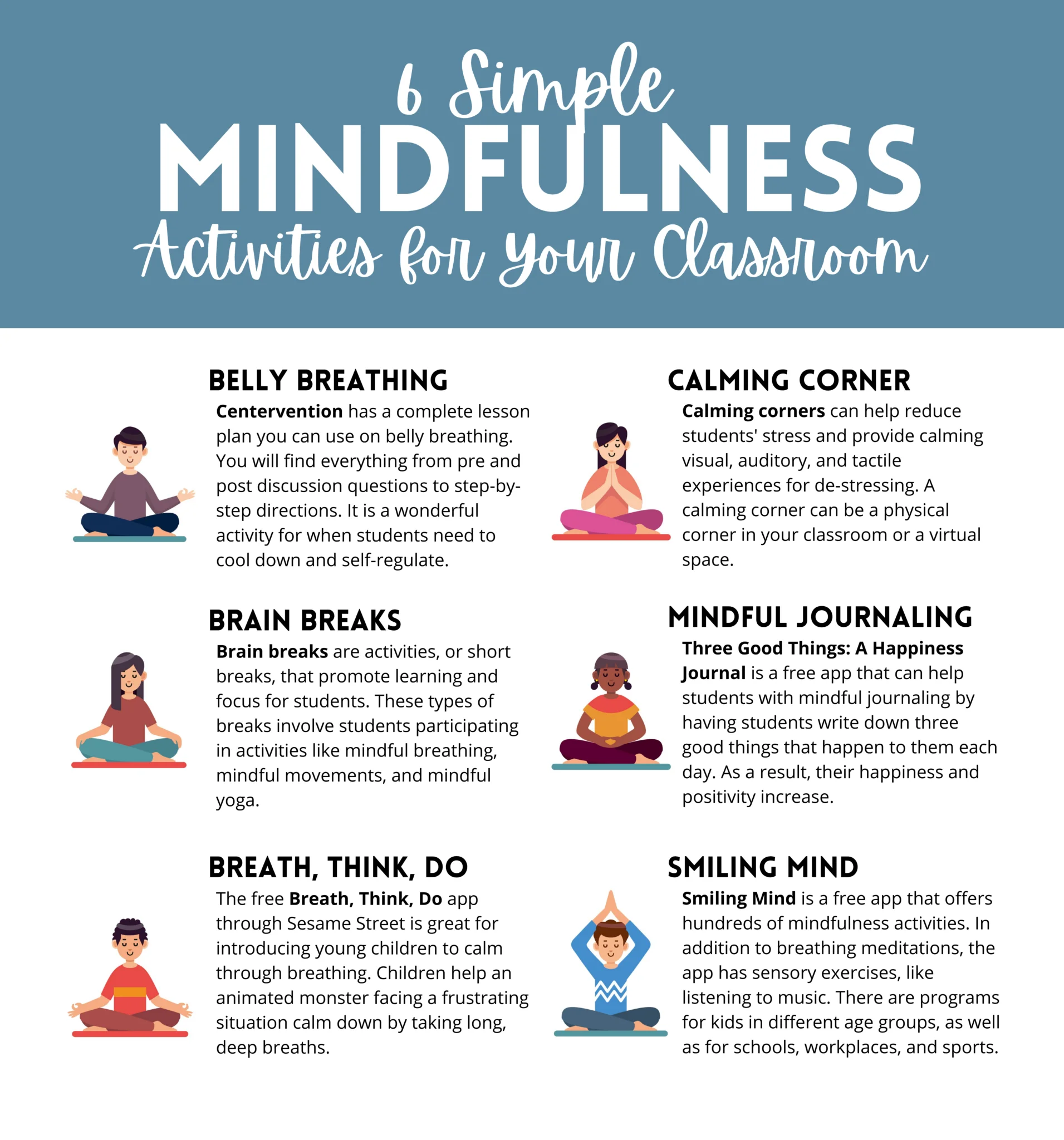
One common obstacle to starting mindful breathing is an unsuitable environment. Noise, interruptions, or discomfort can all hinder focus and cause frustration. Creating a quiet, comfortable space is essential. This might mean a corner of a room with minimal distractions or a spot near a window with natural light. Even small adjustments, like using cushions or adjusting room temperature, can make the experience more inviting and easier to commit to regularly.
Choosing the Best Time and Place
Another barrier is uncertainty about when to practice. The ideal time will differ for each person, but selecting moments when you are least likely to be disturbed is key. Many find the start or end of the day effective for establishing consistency. While some may prefer a short break during work hours, others might choose a peaceful spot outdoors. The important factor is that these moments become intentional pauses in your day, helping cultivate a habit rather than feeling like an added task.
Step-by-Step Instructions to Practice Mindful Breathing
Step 1: Find a Comfortable Position
The first challenge can be simply sitting or lying down in a way that feels supportive. Discomfort often leads to distraction. Whether sitting in a chair with feet flat on the floor or lying down on a mat, ensure your posture allows your chest and abdomen to expand freely. Relax your shoulders and face but avoid slouching to maintain alertness during the practice.
Step 2: Focus on Your Breath
Next, gently direct your attention to the sensations of breathing. Notice the air entering your nostrils, the rise and fall of your chest or belly, and the subtle pause between inhales and exhales. The goal isn’t to change the breath but to observe it clearly. If your mind wanders, simply acknowledge the distraction and return focus without frustration.
Step 3: Observe Without Judgment
One of the biggest hurdles is self-criticism when the mind drifts. Mindful breathing invites a nonjudgmental stance—treating each breath and thought as neutral experiences. This acceptance prevents stress about “doing it right” and cultivates a gentle awareness that grows stronger with time.
Step 4: Gradually Increase Duration
Beginners often expect immediate comfort and may feel restless if sessions seem too long. Starting with brief intervals, such as two to five minutes, helps build tolerance and interest. Over days or weeks, slowly extending the duration lets the body and mind adjust naturally. This gradual approach reduces overwhelm and sustains motivation.
Incorporating Mindful Breathing Throughout the Day
Morning Routine Integration
Beginning the day with mindful breathing sets an intentional tone. Instead of rushing into tasks or distractions, dedicating a few moments to breathing mindfully can encourage focus and calm. This practice can act as a grounding ritual, helping you approach the day with clarity and reduced anxiety.
Midday Breathing Breaks
Busy schedules often lead to mounting stress by midday. Short mindful breathing breaks during work or study can re-center attention and ease tension. These pockets of calm offer a reset button, helping you return to activities with renewed energy and patience.
Evening Wind-Down Practice
Difficulty falling asleep or feeling restless at night are common issues. Incorporating mindful breathing into an evening routine can soothe the nervous system and signal the body it’s time to relax. This not only supports better sleep quality but also helps process emotional experiences from the day.
Tips for Staying Consistent with Your Practice
Using Reminders and Triggers
Consistency can falter when mindful breathing competes with other priorities. Setting reminders on your phone or associating breathing exercises with daily habits—such as after brushing teeth or before meals—creates natural prompts. These triggers ease the mental load of remembering and foster steady engagement.
Combining Breathing with Other Mindfulness Techniques
Some individuals find that pairing mindful breathing with gentle stretches, guided imagery, or gratitude reflections helps deepen the practice’s effects. Combining techniques can make mindful breathing feel more accessible and enjoyable, reducing the risk of monotony and increasing commitment.
Common Challenges and How to Overcome Them
Dealing with Distractions
In our busy world, frequent interruptions are normal. Rather than viewing distractions as failures, recognize them as opportunities to practice returning awareness gently. Creating a distraction-minimized space or using noise-cancelling headphones can help, but ultimately the skill lies in refocusing without judgment.
Handling Restlessness and Impatience
New practitioners often report feelings of restlessness or impatience during mindful breathing. This can stem from high internal pressure to achieve immediate results or from the unfamiliarity of sitting quietly. Accepting these sensations as part of the process, and shortening sessions when needed, helps maintain a positive attitude and gradual progress.
Conclusion
Incorporating mindful breathing into daily life addresses the common challenge of managing stress and cultivating presence in a distracting world. Understanding its benefits for physical and mental well-being highlights its importance, while preparation ensures a supportive start. Following straightforward steps and adapting the practice to personal routines create sustainable habits. Though challenges like distractions and impatience may arise, approaching these with patience and kindness leads to steady improvement. Mindful breathing offers a practical, accessible way to nurture calm and clarity, making it a valuable tool for everyday balance.


