
Understanding the Link Between Journaling and Mental Clarity
The Science Behind Overthinking and Focus
Overthinking can often feel like a tangled web of thoughts that stops us from moving forward. Scientific studies show that when the brain gets caught in repetitive thought loops, it’s harder to focus on the task at hand. Our minds are wired to seek patterns and predict outcomes, but when this natural tendency goes unchecked, it can lead to anxiety and mental fatigue. This overload makes concentration difficult, leaving us stuck in what feels like an endless maze of “what ifs” and worries.
How Journaling Influences Brain Function
Journaling, on the other hand, acts like a mental reset button. Writing things down engages different areas of the brain, helping to organize thoughts and prioritize what matters. This simple act encourages mindfulness, making us more aware of our internal dialogue. By externalizing our thoughts, we reduce their hold on our mental space, creating clarity. Neuroscience research points out that expressive writing can even lower activity in the amygdala, the brain’s center for emotional processing, which can reduce stress and calm the mind.
Setting Up for Success: Tools and Environment
Choosing the Right Journal and Writing Tools
The first step in making journaling effective is picking the right materials. It’s tempting to grab the nearest notebook, but a journal that feels inviting can make the practice more enjoyable and consistent. Whether it’s a beautifully bound book or a simple spiral notebook, the key is comfort and ease of use. Some people prefer smooth pens that glide effortlessly, while others are drawn to the tactile feel of pencils or markers. The goal is to eliminate any friction that might discourage writing.
Creating a Distraction-Free Space
Your environment plays a huge role in maintaining focus during journaling sessions. Find a quiet, comfortable spot where interruptions are minimized. This could be a cozy corner at home or a peaceful spot outdoors. Small adjustments—like turning off notifications, dimming harsh lights, or playing soft instrumental music—can help cultivate a calming atmosphere that invites concentration. Establishing this space signals to your brain that it’s time to shift gears and focus inward.
Core Journaling Exercises to Sharpen Focus
Time-Boxed Freewriting to Capture Immediate Thoughts
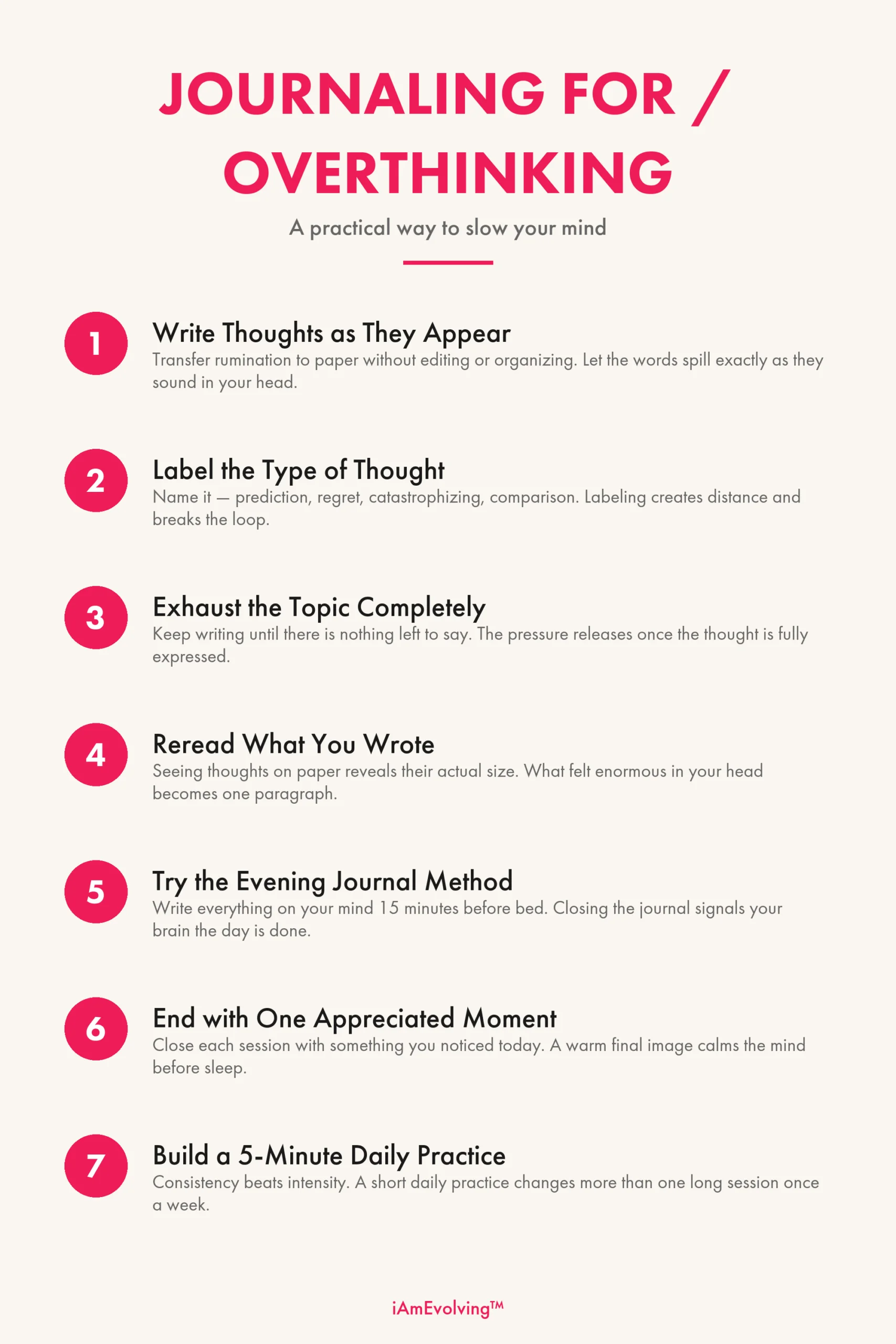
One of the most effective ways to clear your mind and boost focus is time-boxed freewriting. Set a timer for 5 to 10 minutes and write whatever comes to mind without editing or censoring. The goal isn’t to produce a polished piece but to capture raw, unfiltered thoughts. This exercise helps to offload distractions and bring clarity by getting mental clutter onto paper. It’s a quick reset that often reveals hidden priorities or worries lurking just below the surface.
Prioritization Lists: Sorting Tasks and Ideas
After freewriting, it’s helpful to organize your thoughts. Creating prioritization lists clarifies what needs your attention most urgently. Writing down tasks, goals, or ideas and then ranking them forces you to decide what truly matters. This process cuts through the noise of endless possibilities and helps you focus on actionable steps. When your mind sees a clear path ahead, it’s easier to engage fully without feeling overwhelmed.
Single-Task Reflection: Logging One Goal at a Time
Another powerful technique is focusing on one goal per journaling session. Reflect deeply on this single objective: consider why it’s important, what challenges exist, and what the next step should be. This singular focus breaks the habit of multitasking thoughts and trains your brain to channel its energy into one stream. Over time, single-task reflection builds stronger mental discipline and enhances your ability to concentrate in daily life.
Techniques to Curb Overthinking Through Writing
Thought Dump: Clearing the Mental Clutter
When overthinking piles up, a thought dump is a lifesaver. This involves writing down all your worries, questions, and concerns without any structure or judgment. It’s like emptying a mental inbox, so nothing stays trapped and spinning endlessly. This act of release reduces anxiety by acknowledging fears on paper rather than in your mind. Once on paper, these thoughts become more manageable and less intimidating.
“What If?” Regulated Exploration Exercise
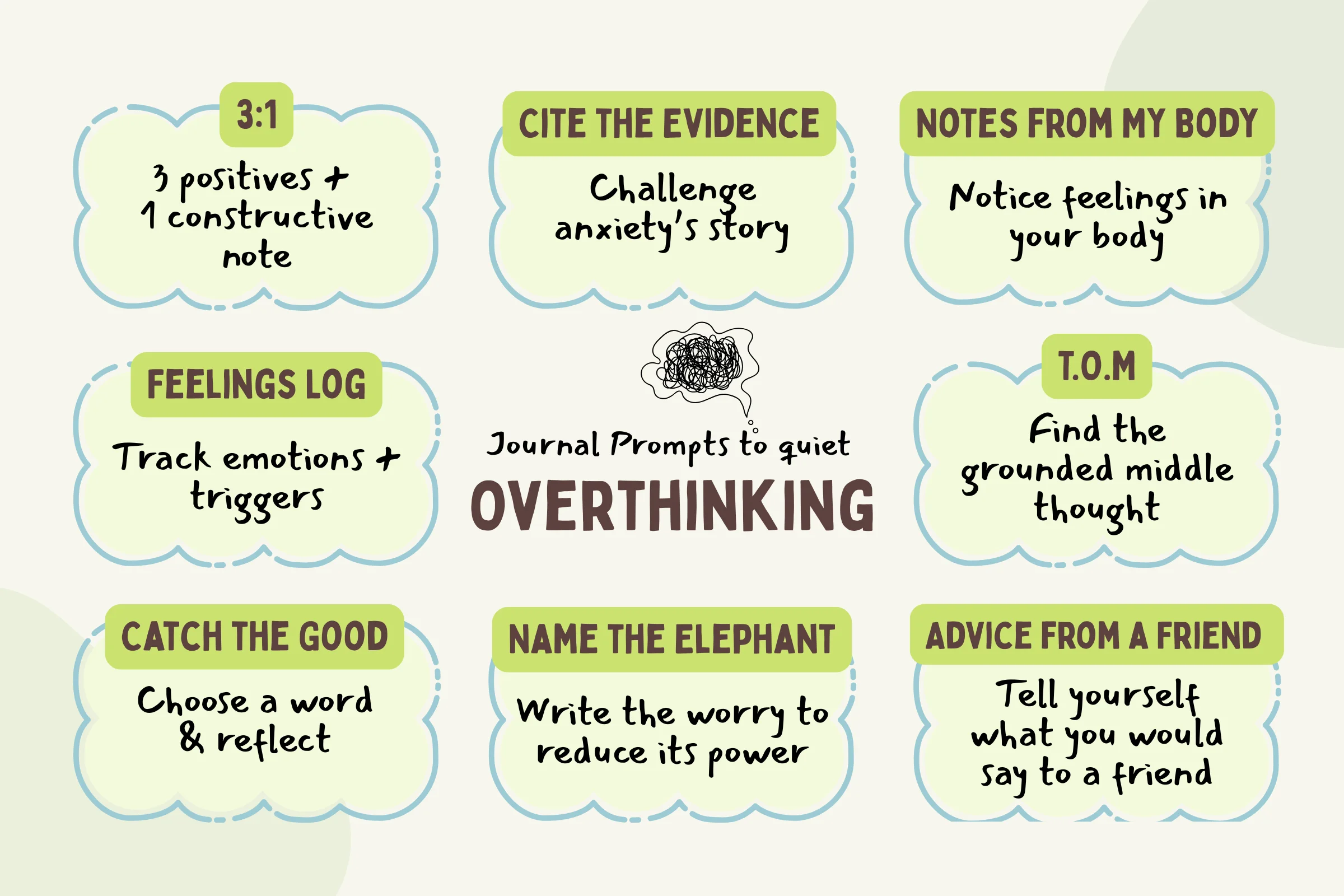
Instead of letting “what if” scenarios spiral out of control, try a regulated exploration where you set limits. Pick one “what if” worry and write it down, then thoughtfully explore realistic outcomes and potential solutions. This method transforms vague fears into concrete possibilities, making them easier to confront. It also encourages problem-solving rather than rumination, shifting your mindset from helplessness to empowerment.
Reframing Negative Thoughts into Constructive Insights
Journaling shines when you start to reframe negative thoughts. After identifying a troubling belief or fear, challenge it in writing by asking, “Is this really true?” or “What can I learn from this?” This exercise nurtures a growth mindset and turns setbacks into valuable lessons. Writing offers the space to experiment with new perspectives that soften harsh self-judgments and promote emotional resilience.
Integrating Journaling Into Daily Routine for Long-Term Benefits
Morning Reflective Journaling to Set Intentions
Starting your day with a brief journaling session can set a clear tone. Use this time to outline your priorities and affirm your intentions. Morning journaling acts as a compass, helping you steer through distractions and stay aligned with your goals. Even a few minutes is enough to cultivate mindfulness and motivation before the day’s chaos unfolds.
Evening Brain Unloading to Prepare for Rest
At night, journaling serves as a mental detox. Writing down the day’s thoughts, emotions, and unfinished tasks helps offload stress and quiet the mind. This practice can improve sleep quality by reducing nighttime rumination and easing the transition into relaxation. Consider it your way of closing the chapter on the day, preparing you for a fresh start tomorrow.
Tracking Progress and Adjusting Practice
Identifying Patterns in Entries Over Time
As you keep journaling, patterns will emerge—common triggers for overthinking, recurring goals, or shifts in mood. Reviewing your entries regularly offers valuable insights into your mental landscape. This awareness helps you recognize progress and spot areas needing extra attention. It’s a personal feedback loop that encourages self-discovery and growth.
Modifying Exercises Based on Personal Feedback
Not every journaling exercise works the same for everyone. Pay attention to how you feel during and after sessions. If a particular method feels draining or ineffective, don’t hesitate to tweak it or try something new. Journaling is a flexible tool that thrives on personalization. Adjust your approach according to your evolving needs to maintain engagement and maximize benefits.


