
Introduction to Budget-Friendly Healthy Meal Prep
Preparing nutritious meals each week doesn’t have to be expensive or complicated. By choosing affordable ingredients that offer both quality and versatility, you can maintain a healthy diet without stretching your budget. Budget-friendly healthy meal prep is an effective way to save time and reduce food waste, while ensuring you have well-balanced meals ready to go during busy days.

This approach emphasizes planning meals around economical staples that provide essential nutrients. It allows you to avoid impulsive spending on costly convenience foods and take control of your eating habits. In the following sections, we will explore seven affordable ingredients under $20 that can transform your weekly meal prep into a cost-effective and health-conscious routine.
Top 7 Cost-Effective Ingredients for Nutritious Meals
1. Lentils: Versatile and Protein-Rich
Lentils are a powerhouse ingredient when it comes to budget and nutrition. These legumes are packed with plant-based protein and fiber, making them a fantastic option for sustaining energy throughout the day. They also cook quickly and are extremely versatile, fitting well into soups, salads, and casseroles. Lentils absorb flavors well, allowing you to experiment with different spices and herbs to keep meals interesting.
2. Frozen Spinach: Nutrient Dense on a Budget
Fresh greens can sometimes be pricey and perishable, but frozen spinach offers a cost-effective alternative without compromising on nutrients. Frozen spinach is harvested and frozen at peak freshness, locking in vitamins such as A, C, and K. Using frozen spinach saves prep time since it’s often pre-washed and chopped. Adding it to smoothies, omelets, or pasta dishes adds a nutrient boost to your weekly meals.
3. Brown Rice: Whole Grain Energy
Whole grains like brown rice provide sustained energy due to their complex carbohydrates and fiber content. Compared to white rice, brown rice retains more nutrients and has a lower glycemic index, making it a healthier base for meals. Brown rice is affordable and widely available, and it pairs well with both plant-based and animal proteins. Preparing it in batches for the week helps keep meals simple yet fulfilling.
4. Canned Chickpeas: Fiber and Convenience
Canned chickpeas are an inexpensive pantry staple that adds both fiber and protein to your meals. Their ready-to-use form saves cooking time and makes them ideal for salads, stews, or homemade hummus. Chickpeas help improve digestion and keep you feeling full, which can be helpful for managing portion control. Always rinse canned chickpeas to reduce sodium levels before incorporating them into your dishes.
5. Sweet Potatoes: Affordable Superfood
Sweet potatoes are a nutritious and budget-friendly vegetable rich in beta-carotene, fiber, and vitamins. They can be roasted, mashed, or added to stews, providing a naturally sweet flavor that complements various cuisines. Their versatility makes them a practical ingredient for meal prep, contributing both substance and nourishment. Buying sweet potatoes in bulk often reduces the cost per serving even further.
6. Eggs: Protein Powerhouse
Eggs are one of the most affordable sources of high-quality protein and essential nutrients like choline and vitamin D. They can be prepared in numerous ways, from boiling and scrambling to baking, fitting easily into breakfast, lunch, or dinner options. Eggs’ relatively long shelf life also makes them a convenient ingredient for efficient meal planning. Pairing eggs with vegetables or grains helps create balanced plates.
7. Oats: Breakfast and Beyond
Oats are an economical choice that extends beyond just breakfast bowls. They provide soluble fiber, which supports heart health and digestion, and have a gentle flavor that works in both sweet and savory recipes. Oats can be used in overnight oats, baked goods, or even as a thickener in soups and stews. Their affordability and versatility make them essential for anyone aiming to stretch their food budget while eating well.
How to Incorporate These Ingredients into Your Weekly Meal Plan
Simple Recipe Ideas Under $20
Combining these seven ingredients thoughtfully can result in a variety of delicious and nutritious meals without exceeding your budget. For instance, a lentil and spinach stew served over brown rice creates a filling and nutrient-rich dinner. Alternatively, roasting sweet potatoes alongside a chickpea salad with fresh herbs can provide a refreshing lunch option. Breakfast might include oatmeal topped with a poached egg and sautéed spinach for a balanced start to the day.
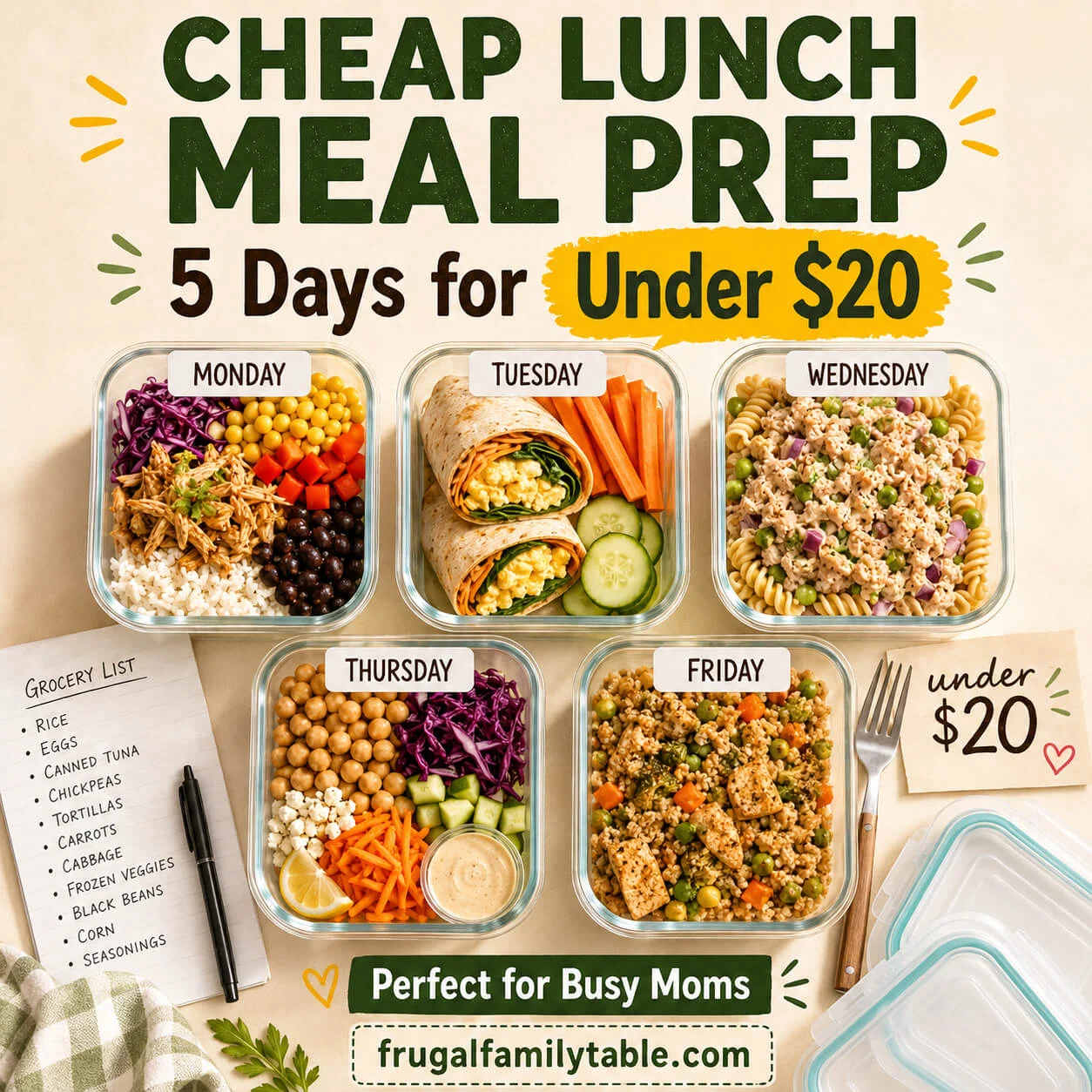
By mixing and matching these ingredients, you can prepare meals in bulk that keep well in the refrigerator or freezer. This helps maintain diversity in your diet, preventing boredom and encouraging consistent healthy eating habits.
Batch Cooking and Storage Tips
Batch cooking is a great strategy to maximize the value of these affordable ingredients. Cooking larger quantities of grains like brown rice or lentils and storing them in portioned containers saves time throughout the week. To preserve freshness, separate vegetables and proteins and combine them just before eating. Utilizing airtight containers and labeling meals with dates can help reduce waste and ensure food safety.
Additionally, freezing cooked items such as chickpeas or sweet potatoes in meal-sized batches extends their usability. Reheating should be done thoroughly to maintain taste and texture. Taking a little time each week to plan and prep not only supports health goals but also enables better financial management of your grocery bill.
Shopping Smart: Where and When to Buy These Ingredients
Finding the best deals on these ingredients can significantly impact your overall meal prep budget. Shopping at local markets or bulk food stores often yields lower prices on items like lentils, oats, and brown rice compared to supermarkets. Seasonal sales and discount sections are also worth monitoring, especially for fresh vegetables such as sweet potatoes.
Purchasing frozen vegetables like spinach from reputable brands can be more cost-effective than fresh, and canned chickpeas are widely affordable year-round. Timing your shopping around weekly or monthly promotions helps you stock up on staples without overspending. Comparing unit prices and prioritizing store brands can provide additional savings without sacrificing quality.
Conclusion: Eating Healthy Without Breaking the Bank
Maintaining a healthy diet on a budget is achievable with intentional planning and smart ingredient choices. By focusing on affordable staples such as lentils, frozen spinach, brown rice, canned chickpeas, sweet potatoes, eggs, and oats, you can build a diverse and nutritious meal plan for under $20. Incorporating these ingredients thoughtfully allows for flexibility and creativity in the kitchen while supporting overall wellness.
Incorporating batch cooking, smart storage, and strategic shopping further helps stretch your food dollars and reduce waste. Ultimately, prioritizing these cost-effective ingredients empowers you to enjoy balanced meals consistently, proving that healthy eating can be accessible and affordable for everyone.


