
Understanding Skin Elasticity: The Basics
What Is Skin Elasticity?
Skin elasticity refers to the skin’s ability to stretch and then return to its original shape. Imagine pinching your cheek and releasing it quickly—if the skin snaps back promptly, it’s a sign of good elasticity. This quality is vital for maintaining a youthful, firm appearance, and it naturally declines as we age. However, environmental factors, lifestyle choices, and even hydration levels play significant roles in how well our skin retains its elasticity over time.
Factors Influencing Skin Elasticity
Several elements affect skin elasticity beyond just age. Exposure to sunlight without protection leads to collagen breakdown, which reduces skin’s stretchiness. Smoking and poor nutrition also damage the skin’s supportive structures. Stress and insufficient sleep can accelerate aging processes, compounding the decline in elasticity. Among these, hydration is sometimes overlooked, yet it is fundamental in supporting the skin’s structure and resilience.
The Science Behind Hydration and Skin Health
How Water Supports Cellular Functions
Water is a critical component of every cell in the body, including skin cells. Proper hydration ensures that skin cells function efficiently, supporting nutrient transport and waste elimination. When the skin is well-hydrated, cells maintain their volume and shape, which contributes to a plumper, more elastic appearance. For example, people who consistently drink enough water often notice their skin feels softer and looks more vibrant, even before considering any skincare products.
The Role of Hydration in Collagen Production
Collagen is the protein that provides structure and strength to the skin. Without adequate water, the body’s ability to synthesize collagen diminishes. Think of collagen as the scaffolding holding a building up; without it, the structure becomes weak and saggy. Staying hydrated supports enzymatic reactions that produce collagen, thereby reinforcing the skin’s elasticity. In real life, individuals who improve their hydration habits often report fewer fine lines and an improvement in skin firmness after a few weeks.
Daily Water Intake: How Much Is Enough?
Recommended Water Consumption for Skin Benefits
Determining the right amount of water varies based on age, weight, climate, and activity level. However, a general guideline often suggested is about 8 cups (64 ounces) per day for adults. For skin health specifically, this baseline helps ensure cells are optimally hydrated. For instance, a woman living in a dry climate and exercising daily may need more water to maintain skin elasticity compared to someone with a sedentary lifestyle in a humid area.
Signs of Proper Hydration in Your Skin
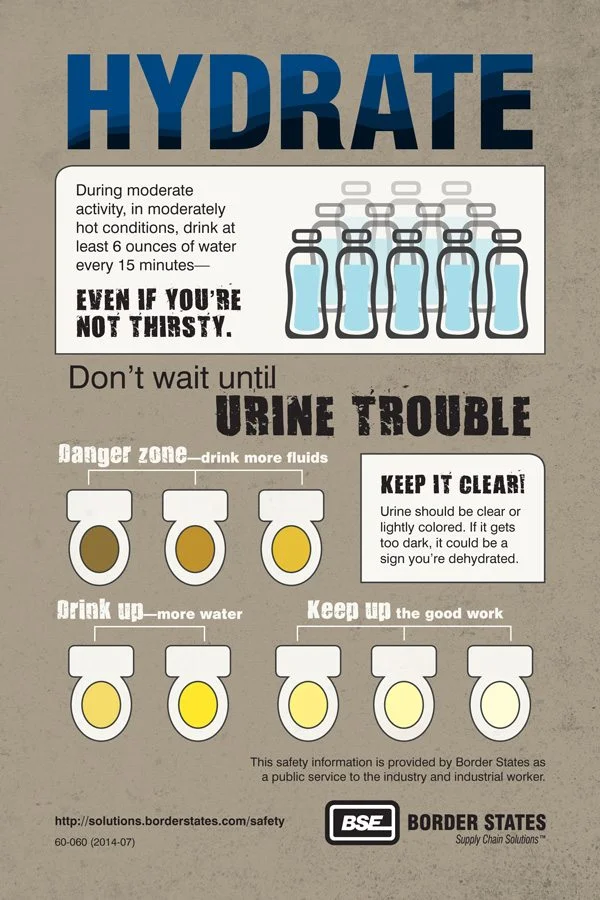
One practical way to assess hydration without medical tests is to observe your skin’s texture and responsiveness. Well-hydrated skin feels supple and resilient to touch. It tends to show fewer dry patches and is less prone to flaking. A simple test used by dermatologists involves gently pinching the skin: if it returns smoothly to place, hydration is likely adequate. Conversely, slowly returning skin or persistent dryness can signal dehydration, which impairs elasticity.
Long-Term Effects of Increased Water Consumption
Visible Improvements in Skin Elasticity
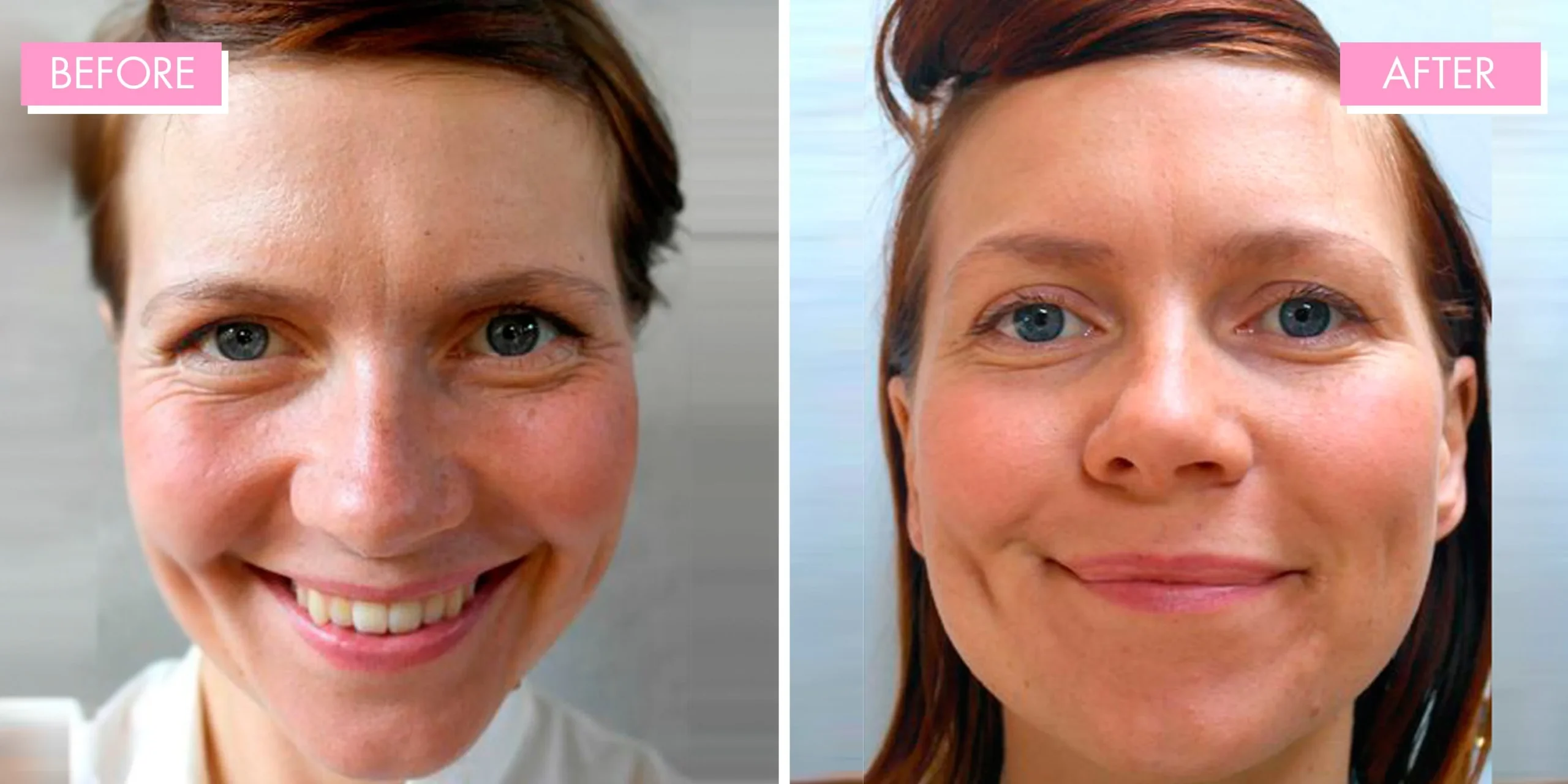
Incrementally increasing water intake can lead to noticeable improvements over time. People who have made a conscious effort to drink more water often share stories of their skin appearing fresher, with fine lines softening and areas that once looked dull becoming radiant. For example, someone who struggled with dry, sagging skin might find that after a month of consistent hydration, their skin feels tighter and more resilient to daily stressors.
Scientific Studies Supporting Hydration & Skin Health
Research underscores the connection between hydration and skin health. A study published in the International Journal of Cosmetic Science found that after increasing daily water intake, participants showed measurable improvements in skin density and elasticity. These results highlight how a simple change—like drinking habitual amounts of water—can create lasting benefits. This scientific backing makes hydration a critical and accessible tool in skincare regimens.
Incorporating More Water Into Your Daily Routine
Practical Tips to Stay Consistently Hydrated
Drinking more water doesn’t have to be a chore. Start by carrying a reusable water bottle and setting reminders on your phone. Drinking a glass of water before meals or upon waking up are habits that many find easy to adopt. Adding slices of fruit, like lemon or cucumber, can make water more appealing without adding sugar. For example, a busy professional might integrate brief hydration breaks throughout their workday to maintain steady skin benefits without interrupting their schedule.
Complementary Habits for Enhanced Skin Elasticity
In addition to hydration, supporting skin elasticity requires a holistic approach. Balanced nutrition rich in antioxidants and vitamins, regular physical activity to boost circulation, and proper sun protection all amplify the benefits of drinking water. Real-life stories reveal that those who combine hydration with these habits not only see better skin elasticity but also overall improved skin tone and texture. Think of water as the foundation, but the lifestyle builds the house.


