
Preparing for Your Nature Walk
Choosing the Right Location for Toddlers
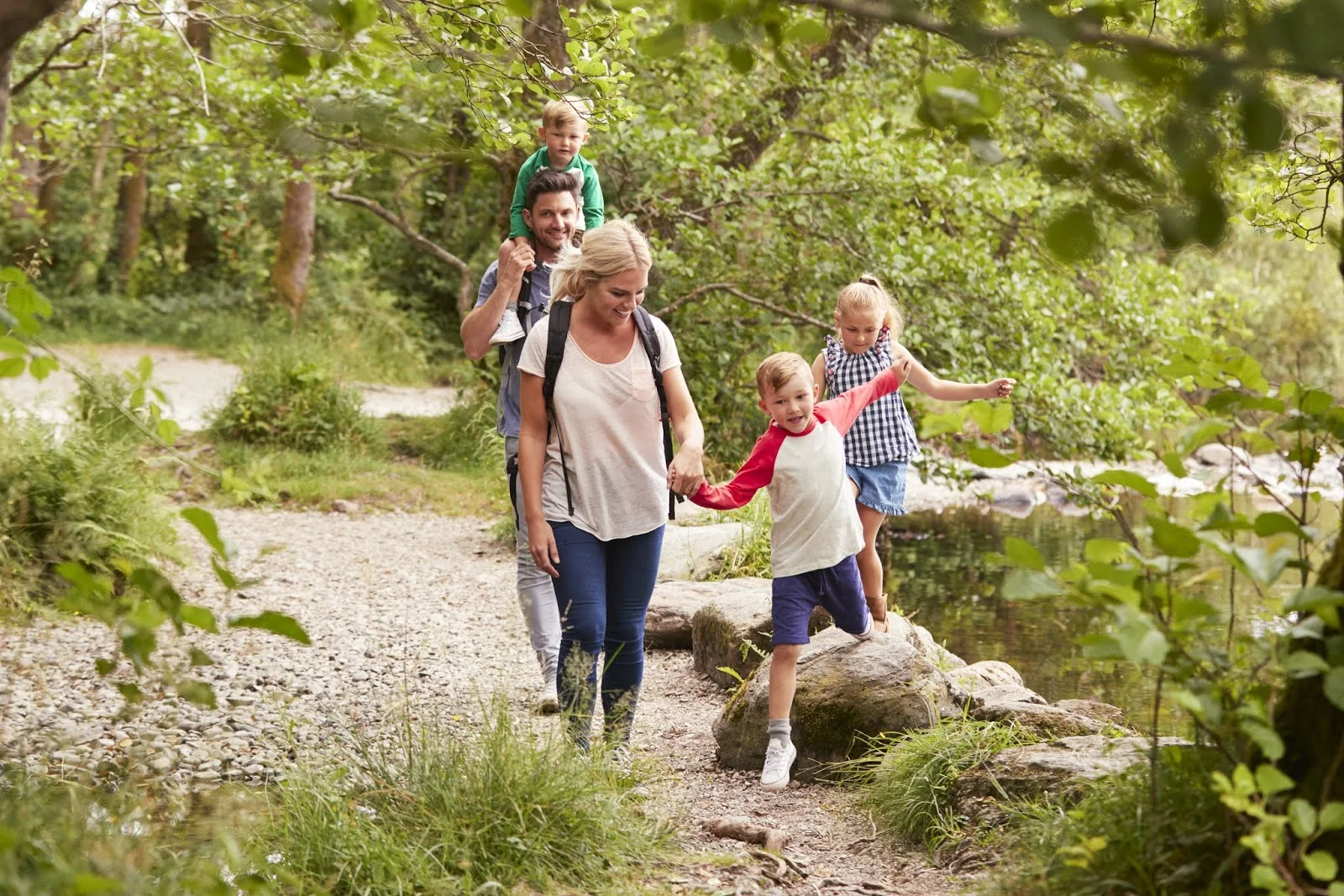
Selecting a suitable spot is crucial for a stress-free family nature walk. Toddlers benefit from areas that are safe, easy to navigate, and engaging. Parks with short, well-maintained paths and plenty of natural features like trees, flowers, or small ponds offer plenty to explore without overwhelming little ones. Avoid locations with rough terrain or too much distance to ensure the walk stays enjoyable for everyone.
Timing: When to Go for Maximum Enjoyment
Timing plays a big role in creating a pleasant experience. Aim for periods when toddlers are typically well-rested and fed, such as late morning or early afternoon. Avoid the hottest parts of the day or times when bugs are most active. Weekends or quieter weekdays often offer less crowded paths, which helps maintain a calm environment. Consider weather forecasts to pick a clear, mild day to keep the walk comfortable for all.
Essential Gear and Packing Tips
Bringing the right items helps prevent interruptions and frustration. Essentials include comfortable shoes, hats for sun protection, and weather-appropriate clothing. Pack a small backpack with water, healthy snacks, wipes, and a first aid kit. Bringing a lightweight blanket or mat provides a spot for rest or snack breaks. Having a backpack with easy access pockets ensures quick response to toddlers’ needs without delay.
Engaging Toddlers During the Walk
Interactive Activities to Keep Them Interested
Toddlers’ attention spans are short, so incorporating simple games keeps them engaged. Activities like spotting different leaf shapes, counting birds, or listening for sounds encourage interaction. Singing nature-themed songs or rhymes adds fun while moving. Short pauses to explore a small rock or colorful flower turn the walk into an adventure instead of a task.
Using Nature to Spark Curiosity
Nature offers endless opportunities to inspire curiosity. Pointing out insects, clouds, or unique trees invites questions and discovery. Encourage toddlers to touch safe plants, smell flowers, or watch ants at work. Offering gentle explanations helps build their understanding and excitement for the outdoors without pressure. This approach nurtures a lifelong appreciation for nature.
Incorporating Play and Exploration Safely
Play is vital but should be balanced with safety. Allow toddlers to explore within sight and set clear boundaries. Avoid potentially hazardous areas like water edges or steep slopes. Using sticks as pretend swords or collecting safe natural items, like pinecones, transforms exploration into imaginative play. Always supervise closely to keep the experience both fun and secure.
Managing Challenges Along the Way
Handling Toddler Tantrums in Nature
Tantrums can happen despite the best planning. Stay calm and respond with patience. Sometimes a brief rest or snack break can help reset moods. Distracting toddlers with a new activity or finding a quiet spot for a cuddle may ease frustration. Acknowledge their feelings and avoid rushing, as the peaceful outdoor setting can help soothe emotions over time.
Dealing with Weather Changes
Weather can shift unexpectedly, so flexibility is key. Bring layers to add or remove based on temperature changes. If rain starts, find nearby shelter or use waterproof clothing rather than ending the walk abruptly. Sun protection is essential, even on cloudy days. Preparing for varying weather ensures comfort and safety without stress.
Safety Tips for Walking with Small Children
Keeping toddlers safe requires vigilance and planning. Hold hands in busy or uneven areas and teach simple safety rules. Avoid letting children wander off alone, even in familiar places. Watch for hazards like poison ivy, sharp objects, or slippery surfaces. Carry a basic first aid kit and know emergency contacts. Safety measures allow everyone to relax and enjoy the walk.
Post-Walk Tips for a Positive Experience
Cleaning Up and Checking Gear
After the walk, take time to clean up thoroughly. Remove dirt or leaves from shoes and clothing to prevent mess at home. Check gear for any damage or items left behind. Cleaning reusable water bottles and packing up equipment orderly helps prepare for the next outing. This routine reduces stress and keeps the family ready to enjoy future nature walks.
Encouraging Reflection and Sharing
Encourage toddlers to share what they noticed or liked about the walk. Talking about favorite sights or sounds reinforces positive memories. Simple questions about colors, animals, or discoveries invite interaction. This reflection nurtures communication skills and builds anticipation for the next adventure outdoors.
Planning Your Next Nature Walk Adventure
Use feedback from the current walk to choose future locations and activities. Consider what worked well and what could improve to enhance enjoyment. Varying destinations keeps the experience fresh and exciting. Regular nature walks become a cherished family habit that supports bonding and healthy outdoor time.


