
Understanding Public Transport Systems in Foreign Cities
Types of Public Transportation You Might Encounter
When arriving in a foreign city, public transport can vary widely—from buses and trams to subways, ferries, and even tuk-tuks or rickshaws in some regions. For instance, while European cities like Berlin rely heavily on efficient U-Bahn and S-Bahn trains, cities in Southeast Asia might combine metro lines with motorbike taxis. Understanding these modes helps you anticipate not only how you’ll be traveling but also what kind of experience to expect. For example, a tourist in Tokyo might appreciate the punctuality and cleanliness of the metro, whereas someone navigating Istanbul could enjoy the scenic ferry rides along the Bosphorus.
Common Ticketing Methods and How to Buy Tickets
Ticketing systems differ greatly around the world. Some cities use contactless cards, like London’s Oyster card, while others rely on paper tickets or even cash payments directly on board. In Mexico City, you can buy tokens from vending machines for the metro, while in Budapest a paper pass remains the norm. It’s essential to know the local protocol to avoid fines or confusion. Often, urban transport websites provide step-by-step instructions, and research beforehand can prevent awkward moments at ticket counters.
Essential Preparations Before Your Trip
Researching Transport Maps and Schedules
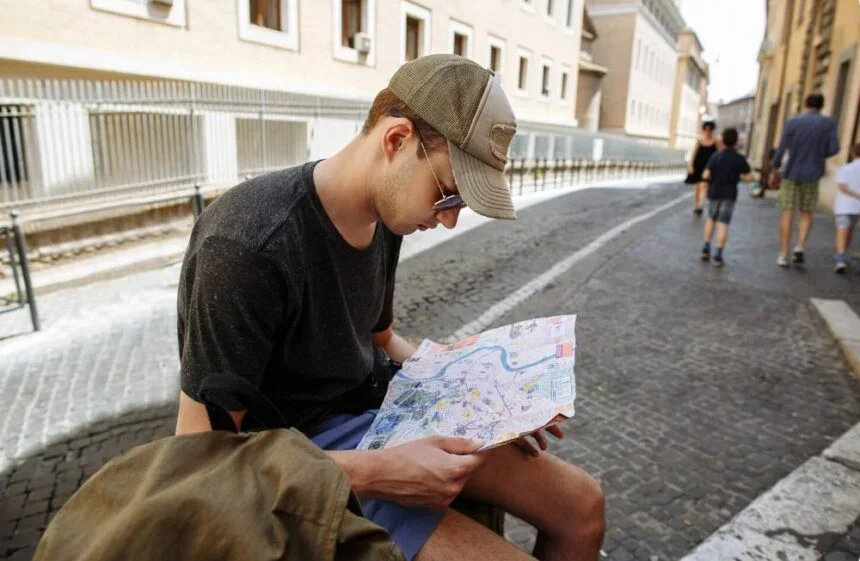
Planning your routes in advance reduces stress significantly. Before leaving, download or print out transport maps and familiarize yourself with major lines and transfer points. For example, when visiting Paris, studying the Metro lines’ color coding helps you navigate from the Eiffel Tower to Montmartre without hesitation. Checking the timetable can also prevent waiting in the cold or heat for a delayed bus. Many cities have apps or websites that show real-time schedules, so taking a few minutes to explore these can save time during your daily commute.
Using Mobile Apps and Digital Tools
Smartphones are a traveler’s best companion when using public transport abroad. Apps like Google Maps or city-specific platforms such as Citymapper not only help plan routes but also provide live updates on delays or disruptions. For instance, a solo traveler in Seoul can rely on the KakaoMetro app to find the quickest route and even learn which exit to take to reach their destination efficiently. Don’t forget to download maps for offline use, as mobile data can be unreliable or expensive in some places.
Learning Key Local Phrases and Signs

Language barriers can be intimidating, but knowing a few essential phrases can change your experience dramatically. Phrases like “Which bus goes to…?” or “Where is the nearest subway station?” are invaluable. In Rome, a traveler who knows to ask “Dov’è la stazione?” will get help more easily than one who struggles with English. Also, understanding basic signage like exit signs, ticket windows, or emergency instructions can make your journey smoother and safer.
Safety Measures While Traveling Solo
Securing Your Belongings
Public transport can be a hotspot for pickpockets, especially in crowded cities. Stories of travelers losing passports or wallets demonstrate the need for vigilance. Use bags that close securely and keep them in front of you. In Barcelona, for example, pickpockets often work in teams near popular metro stations, so it’s best to remain attentive. Consider carrying a slim money belt or using inside pockets to keep valuables safe.
Staying Aware of Your Surroundings
Being alert to your environment goes beyond protecting belongings—it also helps you anticipate changes or potential issues. If a train suddenly stops or new passengers enter, it’s smart to be observant. Walking or sitting near well-lit areas, especially at night, can improve safety. A traveler in Buenos Aires once avoided a risky situation by simply noticing suspicious behavior near a bus stop and deciding to wait for the next vehicle instead.
Practical Strategies for Smooth Travel
Managing Transfers and Timings Efficiently
Transfers can be confusing, and missing a connection can throw off your schedule. Planning extra time between connections alleviates stress, especially if the stations are large or unfamiliar. In New York City’s subway system, transferring between lines might involve multiple stairs and long corridors, so expect at least 10-15 minutes. Observing station announcements and planning your exit strategy before arriving ensures you won’t be caught rushing or lost.
Handling Language Barriers During Your Journey
It’s common to face language challenges when asking locals for directions or understanding announcements. Carrying a small phrasebook or using translation apps can bridge the gap. Once, a solo traveler in Moscow used a translation app to explain their destination to a bus driver who spoke no English. Visual cues, like showing a map or ticket, can also be effective when words fail. Patience and friendly gestures often encourage locals to assist despite language differences.
Dealing With Unexpected Situations
What to Do If You Get Lost
Getting lost is a common, albeit nerve-wracking, experience. The key is to stay calm and retrace your steps when possible. If you find yourself in an unfamiliar neighborhood, seek a nearby café or shop to ask for directions. Many locals are willing to help, especially if you approach them politely. For example, a backpacker lost in Lisbon’s maze-like streets found helpful guidance from a shop owner who spoke basic English and drew a simple map. Avoid wandering aimlessly for long periods—reaching a public area is safer and increases chances of finding assistance.
Finding Help: Who to Ask and Where
When in doubt, public transport staff are your best resource. Ticket agents, bus drivers, or metro attendants can provide reliable information. In cities where staff are scarce, police officers or uniformed security personnel are often nearby at major stations. Tourist information centers also offer support and sometimes multilingual help desks. It’s wise to identify these points on your map before setting out. In Istanbul, for example, police officers at metro entrances were greatly helpful when a traveler needed to find a connecting tram line.
Optimizing Your Experience
Using Public Transport to Explore Local Culture
Public transportation offers more than just transit—it’s a window into daily life. Observing local commuters, overhearing conversations, or seeing neighborhood dynamics can enrich your travel experience. Taking the tram in Lisbon or the bus in Mumbai transports you into the rhythm of local life. Many travelers find that a simple bus ride through different districts reveals unexpected restaurants, markets, or street art not visible from tourist hotspots.
Tips for Comfortable and Stress-Free Travel
Comfort often comes down to preparation. Wearing comfortable shoes, carrying a reusable water bottle, and avoiding rush hours when possible can improve your journey. For instance, traveling early morning or late evening in cities like Shanghai means fewer crowds and a calmer atmosphere. Also, packing a small portable charger ensures your phone stays powered for navigation and communication. Lastly, staying flexible with your plans allows you to enjoy the ride rather than rushing through it.


