
Why Consistent Cleaning Matters More Than Intense Sessions
The Psychology Behind Daily Habits
Cleaning often feels like a daunting task when saved up for lengthy sessions. This is because the mental barrier grows as clutter accumulates. When you engage in consistent daily cleaning, it becomes a manageable habit rather than a dreaded chore. Psychology shows that small, repeated actions build momentum. This momentum transforms cleaning from a rare, exhausting event into a routine part of life, which reduces stress and encourages a sense of control over your environment.
How Small Efforts Prevent Big Messes
When small messes are addressed immediately, they rarely have the chance to expand into overwhelming problems. For example, wiping down kitchen counters after every meal prevents sticky buildup and crumbs, which otherwise attract pests and create more work. Similarly, tidying your bedroom daily keeps your personal space inviting and restful. These minor daily efforts add up, so you avoid the need for marathon cleaning sessions that consume your weekend.
Morning Cleaning Rituals to Start Your Day Fresh
Quick Kitchen Touch-Ups
Starting your day with a quick kitchen clean-up sets a positive tone. After breakfast, wash or load the dishes right away instead of letting them pile up. Wiping the countertops and stove while your coffee brews only takes a few minutes but makes the space look neat. This also ensures you return to a clean kitchen later, preventing procrastination from allowing messes to build up.
Bedroom Organization Before Leaving
Before you step out for the day, spend a few minutes arranging your bedroom. Making your bed instantly improves the room’s appearance and psychologically signals the start of productive activities. Putting clothes away, picking up stray items, and opening a window for fresh air can also invigorate your space. These small rituals reduce the likelihood of clutter collecting during the day and provide a calming environment upon your return.
Targeted Evening Cleaning Routines for a Calm Home
Living Room Reset Techniques
In the evening, focus on resetting shared spaces like the living room. Straightening pillows, folding blankets, and putting away books or toys are simple actions that restore order. This practice helps maintain a clutter-free zone for relaxation and prevents mess from accumulating overnight. Incorporating this step into your nightly routine creates a welcoming environment to unwind after a busy day.
Bathroom Wipe-Down Tips
Bathrooms can quickly look unkempt, but a brief wipe-down each evening helps maintain cleanliness. Use a damp cloth or wipe to clean sinks, mirrors, and faucet handles. This small step prevents soap scum and water spots from hardening and requiring heavy scrubbing later. Ending your day with a tidy bathroom also contributes to a more peaceful morning routine for everyone in the household.
Utilizing Tools and Products for Efficient Cleaning
Must-Have Daily Cleaning Supplies

Having the right supplies within reach is essential for efficient cleaning. Items like multi-surface cleaners, microfiber cloths, disinfecting wipes, and a handheld vacuum can speed up everyday tasks. Keeping these tools organized and accessible encourages frequent use and reduces excuses to skip cleaning. When you don’t have to hunt for supplies, even brief cleaning sessions become easier and more consistent.
Tech Gadgets That Save Time
Modern technology can lighten your cleaning load significantly. Robotic vacuums are excellent for daily floor maintenance, needing just occasional emptying and charging. Electric scrubbers and steam cleaners provide more thorough results with less physical effort, perfect for bathrooms or kitchens. By integrating such gadgets into your routine, you preserve energy and focus on targeted cleaning rather than labor-intensive chores.
How to Break Down Cleaning Tasks to Avoid Overwhelm
Creating Manageable Micro-Tasks
Instead of viewing cleaning as one massive project, divide it into small, actionable tasks. For example, rather than “clean the kitchen,” break it down into wiping the counters, sweeping the floor, and emptying the trash. Each task can be completed in just a few minutes, making the process less intimidating. This approach keeps progress steady without fatigue, encouraging you to maintain regular cleaning habits.
Scheduling and Prioritizing Rooms
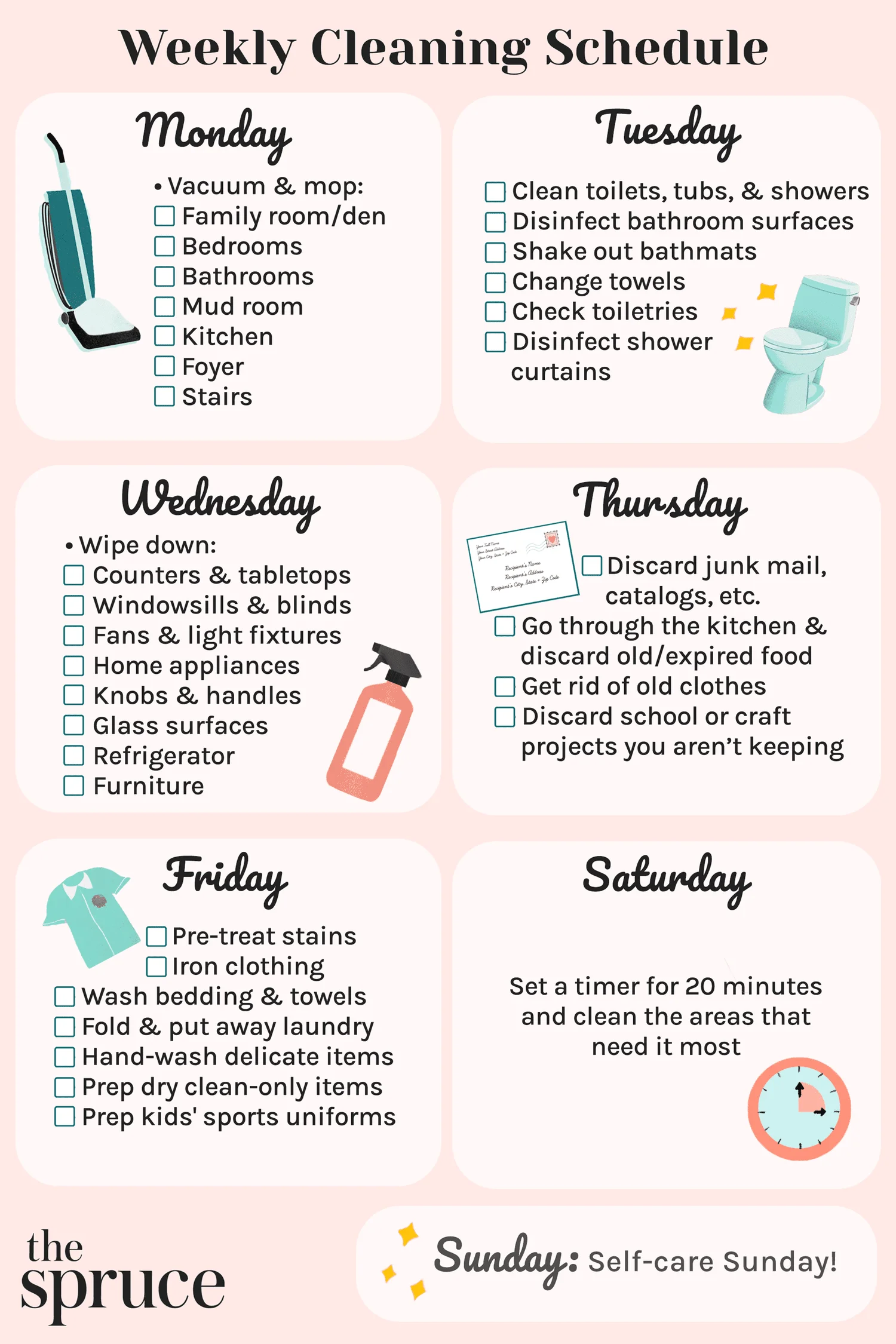
Not every room demands equal attention every day. Prioritize areas based on usage and visibility. High-traffic zones like the kitchen and bathroom might receive daily care, while less used spaces can be cleaned on alternate days. Creating a simple schedule helps allocate your time efficiently and avoids burnout. This planned approach balances thoroughness with practicality, ensuring your home remains welcoming without an overwhelming workload.
Involving the Whole Family in Daily Cleaning
Assigning Simple Chores by Age
Involving all household members spreads the responsibility and teaches good habits, especially for children. Assign age-appropriate chores, such as putting away toys for younger kids or wiping down tables for older ones. This encourages teamwork and reduces your personal burden. When everyone contributes, daily cleaning becomes part of the family culture rather than a solo struggle.
Motivational Tips for Consistency
Maintaining daily cleaning routines can be challenging without motivation. Setting timers for short tasks, playing upbeat music, or turning chores into quick competitions can make the experience more engaging. Celebrating small wins and offering positive reinforcement helps build momentum. When you link daily cleaning to positive feelings and shared goals, it becomes less of a chore and more of a satisfying habit.


