
Introduction to Low Maintenance Garden Design
Designing a garden that looks beautiful without requiring constant care can feel like a dream, especially for busy professionals juggling demanding schedules. A low maintenance garden doesn’t just save time—it transforms outdoor spaces into relaxing retreats that don’t add stress. The key is thoughtful planning, focusing on easy-care plants and smart landscaping choices that reduce the need for frequent watering and upkeep.
Why Busy Professionals Need Water-Wise Gardens
For those with little time to tend a garden, water-wise designs offer a practical solution. Busy professionals often find themselves overwhelmed by the demands of daily life, leaving minimal hours for outdoor chores. A garden requiring constant watering or attention quickly becomes more of a burden than a joy. Water-wise gardens minimize this strain, helping maintain attractive outdoor areas with minimal effort and resource use.
Benefits of Low Maintenance Landscaping
Low maintenance landscaping does more than save time. It cuts down water bills and supports environmental sustainability by conserving water. It also reduces reliance on fertilizers and pesticides, which benefits local ecosystems. Beyond convenience, these gardens encourage a healthier, greener lifestyle and provide an inviting space to unwind without exhaustion over yard work.
Choosing the Right Plants for Minimal Watering
Plant selection is the cornerstone of a low maintenance garden. Opting for varieties that naturally thrive on little water removes much of the struggle related to regular irrigation. It’s about working with nature rather than against it.
Drought-Tolerant Plants
Drought-tolerant plants have adapted to survive dry conditions, making them ideal for busy gardeners. Species like lavender, yarrow, and ornamental grasses require infrequent watering once established. These plants not only conserve water but also add texture and color with minimal upkeep.
Native Species That Thrive with Little Attention
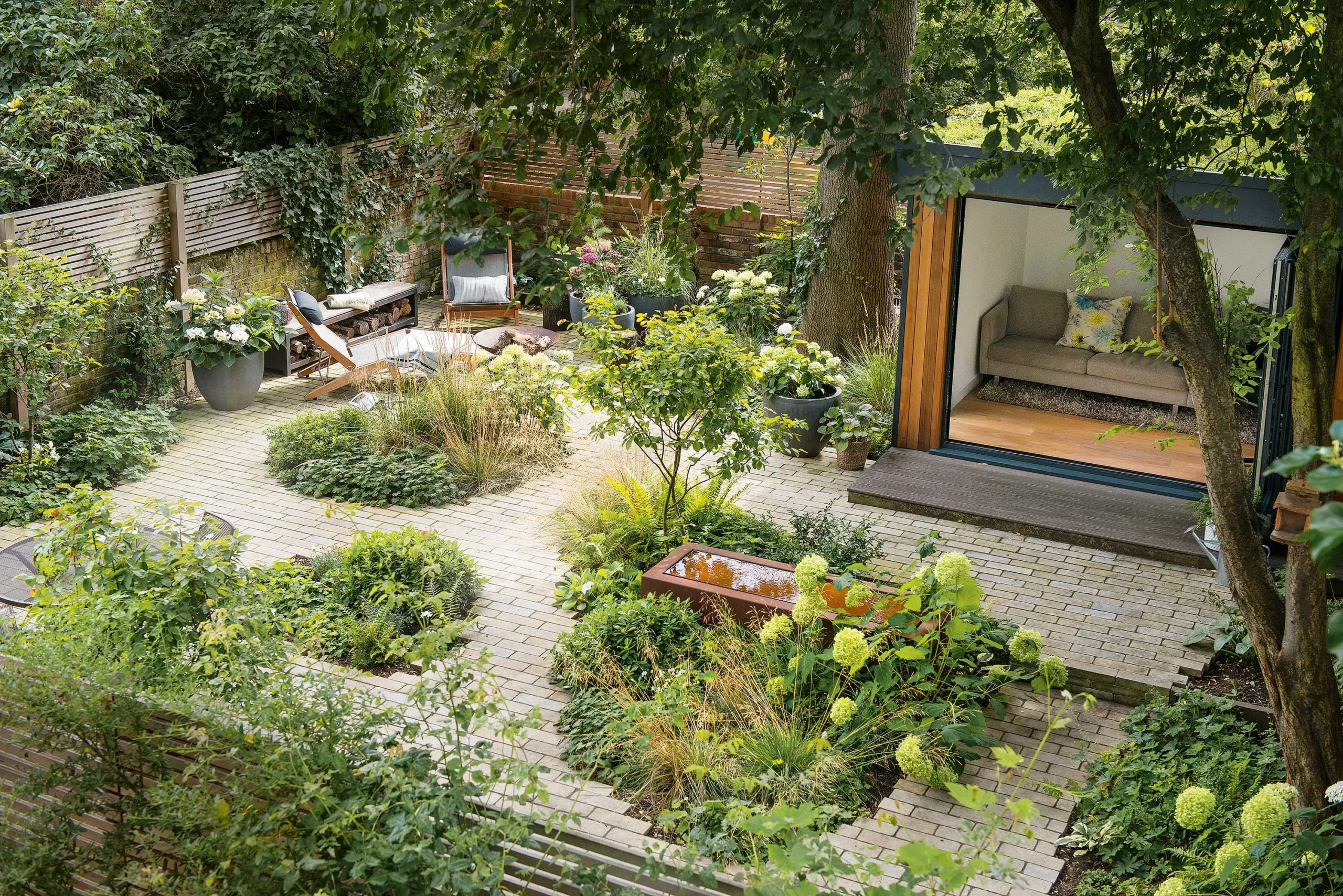
Native plants are often the best choice because they are naturally suited to the local climate and soil. They typically need less water and are more resistant to pests and diseases. Incorporating native species means less intervention and a garden that appears effortlessly lush and balanced.
Succulents and Cacti: The Ultimate Water Savers
Succulents and cacti have thick, fleshy tissues that store water, enabling them to go long periods without moisture. They come in a myriad of shapes and sizes, allowing creative freedom in garden design. These plants are particularly forgiving for beginners or anyone with limited gardening time.
Hardscaping Solutions to Reduce Garden Upkeep
Hardscaping plays a crucial role in minimizing garden chores. Using structural elements reduces the overall planting area and improves moisture retention, significantly cutting down the need for frequent watering and trimming.
Using Gravel and Mulch to Retain Moisture
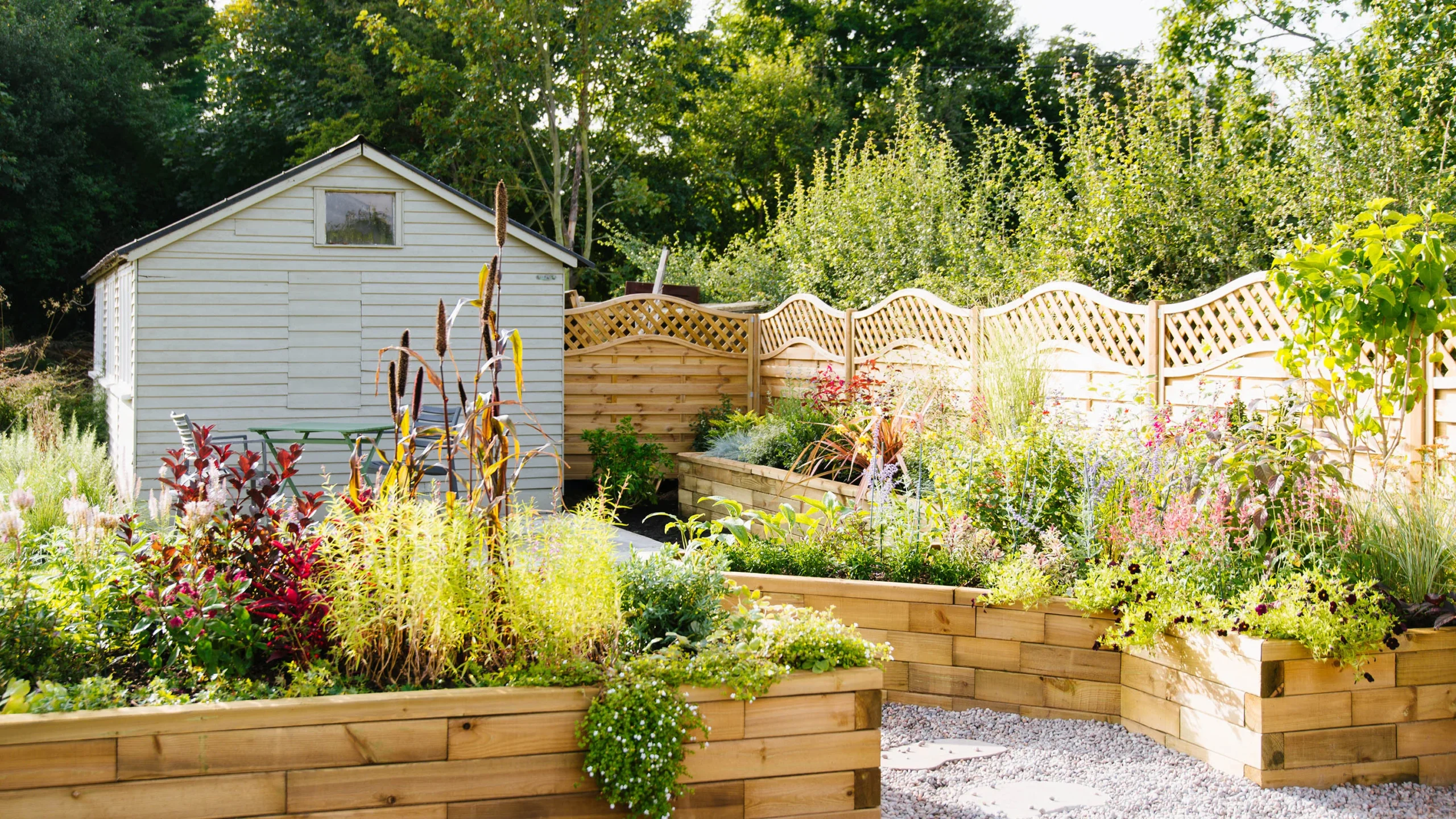
Covering soil with gravel or mulch helps retain moisture and prevent weeds from taking over. Mulch also regulates soil temperature, which benefits plant roots. Choosing breathable mulch or small stones creates a tidy appearance while supporting plant health.
Incorporating Patios and Walkways
Dedicated patios and walkways break the garden into functional zones and cut down on grassy or planted areas that demand attention. These elements provide usable outdoor living space that requires no watering, offering a perfect blend of utility and aesthetics.
Raised Beds with Drip Irrigation Systems
Raised beds improve soil drainage and reduce weed growth. When paired with drip irrigation, they deliver water directly to plant roots, ensuring efficient use of water and less evaporation. This combination is highly practical for busy professionals seeking reliable yet low maintenance gardening options.
Smart Irrigation Techniques for Busy Lifestyles
Even minimal watering needs to be managed smartly to avoid waste and ensure plants thrive. Investing in efficient irrigation technology can make all the difference for those short on time.
Automated Drip Irrigation Setup
Automated drip irrigation systems provide a hands-off approach to watering. Timers and moisture sensors control the watering schedule, delivering the right amount at the right time. This prevents under- or over-watering and frees up hours spent manually watering the garden.
Rainwater Harvesting and Storage Ideas
Collecting rainwater is a sustainable way to supplement irrigation needs without increasing utility costs. Simple rain barrels or more complex storage systems can gather and store water for dry spells. Using captured rainwater reduces dependency on municipal supplies and aligns perfectly with eco-friendly gardening.
Design Layout Strategies for Effortless Gardening
A well-thought-out garden layout streamlines maintenance by grouping plants with similar needs and minimizing wasted effort.
Zoning Plants by Water Needs
Organizing plants according to their watering requirements helps focus irrigation where it’s needed most. Dry-loving plants can be placed together in one zone, while those requiring more moisture are clustered elsewhere. This zoning helps conserve water and reduces chances of plant stress.
Grouping Plants for Efficient Irrigation
Placing plants with similar watering routines close together enables the use of targeted irrigation methods. Grouping also simplifies pruning and monitoring, making overall garden care less intimidating and more manageable for busy individuals.
Low Maintenance Garden Decor and Accessories
The finishing touches of a garden contribute greatly to its usability and charm while influencing maintenance demands.
Choosing Durable Outdoor Furniture
Invest in furniture made of weather-resistant materials like teak, metal, or recycled plastic that withstand the elements without constant upkeep. Durable pieces reduce the need for repairs or frequent replacements, keeping your garden inviting with little effort.
Integrating Solar Lighting for Night-time Beauty
Solar-powered garden lights offer ambient illumination without complicated wiring or electricity costs. They require minimal installation and maintenance, creating a cozy evening atmosphere while highlighting garden features.
Summary: Crafting a Sustainable, Low Effort Garden
Creating a low maintenance garden tailored for busy professionals is entirely achievable with smart plant choices, thoughtful design, and modern irrigation methods. Prioritizing drought-tolerant and native plants, incorporating hardscaping, and utilizing technology helps keep the garden vibrant and healthy with minimal work. This approach not only conserves water and resources but also provides a peaceful space to recharge without the stress of high upkeep. In the end, a well-planned garden becomes a sanctuary that fits effortlessly into a busy lifestyle.


