
Understanding the Link Between Journaling and Stress Relief
The Science Behind Writing and Emotional Health
Imagine coming home after a hectic day, your mind crowded with racing thoughts and worries. Journaling offers a simple yet powerful outlet to unload these mental burdens. Studies in psychology suggest that expressive writing helps to process complex emotions by activating different regions of the brain involved in emotional regulation. When you write, you engage your prefrontal cortex, which plays a key role in controlling emotional responses, helping to reduce the intensity of stress and anxiety.
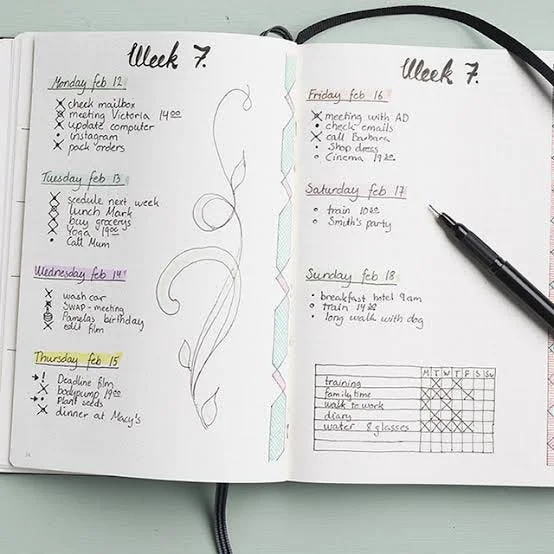
Beyond just venting, writing transforms chaotic thoughts into coherent narratives. This organization of feelings can provide clarity, allowing you to see situations from fresh perspectives. Over time, this practice can improve overall emotional well-being by making stressors feel more manageable.
How Journaling Influences the Brain’s Stress Response
Stress triggers a cascade of responses within the body, from increased heart rate to the release of cortisol, the stress hormone. Journaling has been shown to modulate this response by promoting mindfulness and self-awareness, which in turn calms the nervous system.
When you spend 10 minutes daily putting your feelings to paper, you activate a feedback loop where the brain starts processing emotions differently. It’s similar to talking therapy but accessible anytime, anywhere. For example, someone dealing with work pressure may find that journaling helps lower their stress levels by shifting their focus from ruminating on problems to actively analyzing and problem-solving.
Practical Benefits of a Daily 10-Minute Journaling Habit
Quick Emotional Release and Clarity
Have you ever felt overwhelmed by a sudden rush of emotions with no clear place to express them? Writing for just 10 minutes can serve as a mental release valve. It allows you to put worries, fears, or frustrations into words, which can lighten the emotional load. Many people notice an immediate sense of calm after this short ritual—like clearing a foggy window to see their feelings more clearly.
Boosting Mindfulness Through Writing
Journaling naturally encourages mindfulness by requiring you to slow down and focus on your inner experiences. This simple act helps you become more present, recognizing stress as it arises rather than being swept away by it. For example, one person described how starting a morning journal routine helped them become more conscious of tension building during the day, enabling them to take proactive steps like brief walks or deep breathing.
Tracking Patterns to Identify Stress Triggers
One of the less obvious benefits is how journaling helps detect recurring stressors over time. When you write daily, you begin revealing trends—such as specific events, people, or thoughts that consistently elevate your stress. Spotting these patterns empowers you to make intentional changes, whether by adjusting your environment or seeking support in challenging situations.
Step-by-Step Guide to Effective 10-Minute Journaling
Setting Up Your Journaling Space
Creating a comfortable and inviting environment is key to making journaling a rewarding habit. Choose a quiet corner with good lighting, free from distractions. Some prefer a cozy nook with soft cushions, while others like a tidy desk with minimal clutter. The goal is to make this space a personal sanctuary that signals to your brain it’s time to pause and reflect.
Choosing Prompts to Focus Your Thoughts

Starting with open-ended prompts can ease the challenge of facing a blank page. Questions like “What emotions am I feeling right now?” or “What’s one thing I’m grateful for today?” help direct your attention without overwhelming you. Over time, as you become more comfortable, your writing might flow naturally without prompts, evolving into entries that are uniquely your own.
Incorporating Gratitude and Positive Reflection
While journaling often involves exploring difficult feelings, balancing this with gratitude can foster resilience. Reflecting on small wins or moments of joy—even in stressful times—shifts your mindset towards positivity. For instance, someone struggling with job strain found that ending each journal entry by noting one positive interaction improved their outlook and reduced feelings of burnout.
Real-Life Success Stories: Journaling to Combat Stress
Testimonials from Mental Health Experts
Mental health professionals frequently endorse journaling as a complementary practice to improve emotional health. Psychologists note that clients who journal regularly report enhanced self-awareness and better stress management. One therapist shared how advising a patient to write for 10 minutes daily helped reduce their generalized anxiety by providing a safe space for emotional expression without judgment.
Personal Accounts of Stress Reduction Through Journaling
Take Sarah, a busy teacher juggling remote classes and family life. She started journaling as a suggestion from a friend and quickly noticed the difference. Each evening, her 10-minute writing routine became a moment to decompress and process the chaos of her day. Over months, she described feeling less reactive and more grounded, attributing her increased calm to this consistent practice.
Similarly, Mark, an entrepreneur facing tight deadlines, used journaling to map out his worries and problem-solve creatively. This habit not only relieved his stress but also sparked new ideas, proving that journaling can transform pressure into productive energy.
Tips to Stay Consistent and Motivated
Overcoming Common Challenges
Starting a new habit often encounters obstacles like forgetting or lacking motivation. Recognizing that journaling doesn’t have to be perfect or profound can ease pressure. Even brief, unpolished entries count. One common pitfall is waiting for inspiration, but making journaling a fixed part of your daily routine—such as right after waking up or before bed—encourages regularity.
Using Technology to Support Your Practice
For those with busy lifestyles, digital journaling apps can be a practical alternative to pen and paper. These platforms often offer reminders, prompts, and secure storage, making it easier to maintain your habit on the go. For example, someone who travels frequently found that typing quick entries on their phone helped keep their stress in check even during hectic schedules.
Conclusion
Spending just 10 minutes a day journaling is a low-cost, accessible way to nurture your emotional health and manage stress naturally. Through the simple act of writing, you can achieve clarity, boost mindfulness, and uncover personal stress triggers. Real-world experiences reveal that consistency and creating a supportive environment are vital to sustaining this practice. Whether you choose to write by hand or digitally, making journaling a part of your daily routine can become a powerful tool to face life’s challenges with greater calm and resilience.


