
Introduction to Indoor Plants and Their Benefits
How Indoor Plants Enhance Air Quality
Many people overlook the quality of air inside their homes or offices, not realizing it can often be more polluted than outdoor air. This problem arises from common sources such as dust accumulation, synthetic materials, and poor ventilation. Indoor plants offer a natural solution by acting as air purifiers. Through their biological processes, certain plants can absorb harmful toxins and increase oxygen levels, leading to fresher, cleaner air. This improves overall indoor air quality, making the environment healthier and more comfortable to live or work in.
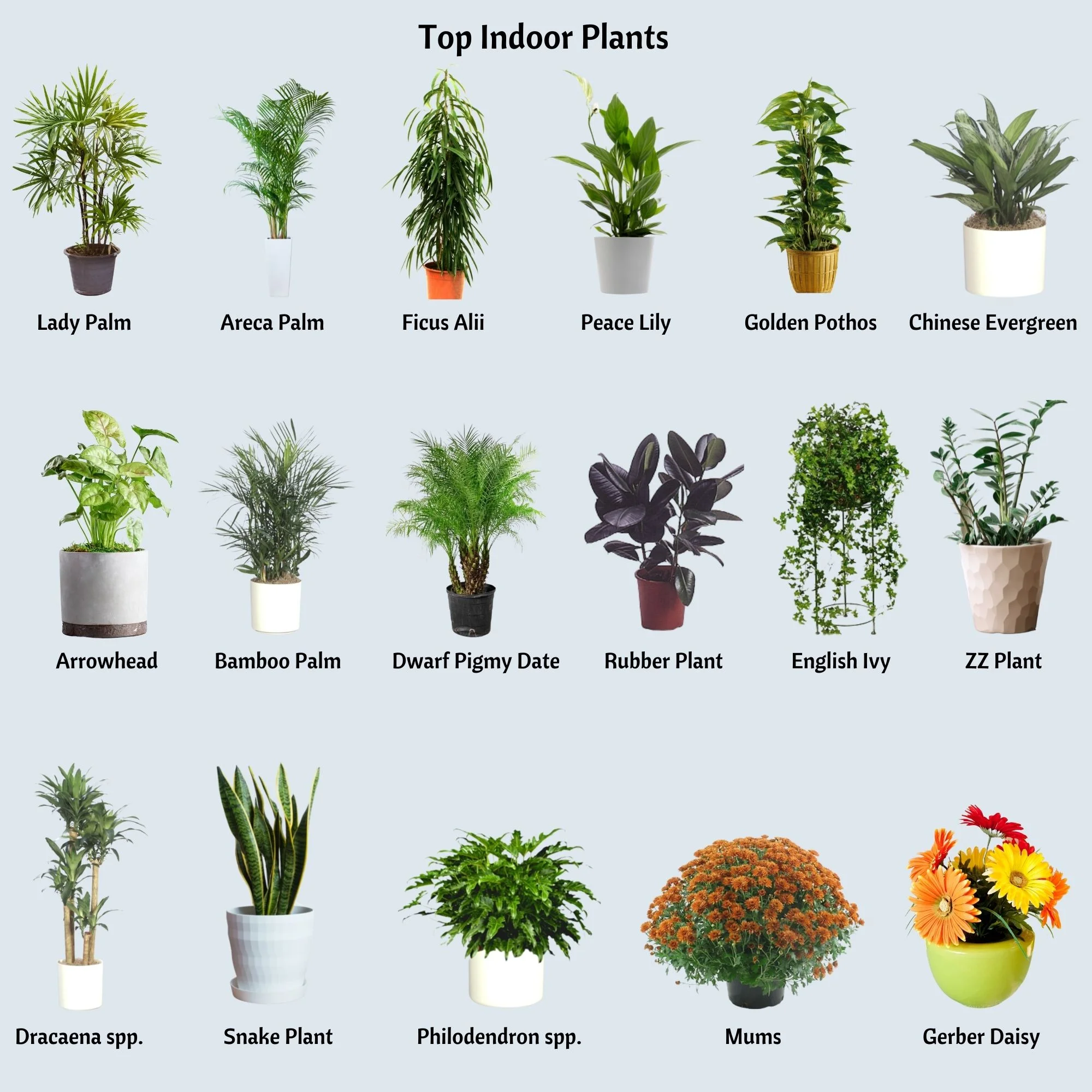
The Role of Indoor Plants in Stress Reduction
Stress is a widespread issue exacerbated by hectic lifestyles and confined indoor spaces. A lack of connection with nature can intensify feelings of anxiety and mental fatigue. Indoor plants help bridge this gap by introducing natural elements that are visually soothing and psychologically calming. Their presence has been linked with reductions in stress levels, improved mood, and enhanced concentration. These mental health benefits underscore the importance of incorporating plants into everyday indoor environments.
Top Indoor Plants for Purifying Air
Snake Plant (Sansevieria)
The snake plant is highly regarded for its ability to filter out airborne toxins such as formaldehyde and benzene. Its hardy nature allows it to thrive in low light and with minimal watering, making it a problem solver for improving air quality in spaces that lack natural sunlight or frequent maintenance. Because it releases oxygen at night, it is often recommended for bedrooms to boost air freshness while resting.
Spider Plant (Chlorophytum comosum)
Spider plants are effective in removing harmful pollutants like carbon monoxide and xylene. Their fast growth and ability to withstand occasional neglect make them a popular choice for improving indoor air. Additionally, spider plants propagate easily, allowing you to increase your collection and benefit more widely from cleaner air without much effort.
Peace Lily (Spathiphyllum)
Peace lilies not only purify the air by filtering out ammonia, benzene, and formaldehyde, but they also add aesthetic value with their elegant white blooms. The challenge lies in their sensitivity to overwatering and low humidity conditions, which can stunt growth or cause leaf browning. When cared for properly, peace lilies can be a powerful element in your indoor air improvement strategy.
Indoor Plants Known for Calming Effects
Lavender
Lavender is renowned for its soothing fragrance, which helps reduce anxiety and promote relaxation. However, its demanding need for bright light and well-drained soil can make it difficult to maintain indoors. When grown successfully, the aromatic presence of lavender can create a tranquility-inducing atmosphere conducive to stress reduction.
Aloe Vera
Beyond its well-known skin benefits, aloe vera contributes to mental well-being through its easy care and air cleansing properties. It emits oxygen at night and stabilizes indoor air quality. Moreover, its succulent nature means it requires infrequent watering, reducing the risk of overcare and plant stress, which in turn prevents unnecessary frustration for the owner.
Jasmine
Jasmine emits a delicate fragrance that has been shown to alleviate nervous tension and promote calm. Despite requiring ample light and attention, the benefits it offers in creating a relaxed environment can outweigh the maintenance challenges. Its blooming flowers also enhance indoor aesthetics, adding to the mental uplift it provides.
Choosing the Right Plant Based on Your Environment
Light Conditions and Plant Preferences

A common obstacle when introducing indoor plants is misjudging the available light in a space. Plants thrive under specific lighting conditions, and placing them in unsuitable areas often leads to poor health and ultimately defeats their purpose. Assessing natural light exposure—whether direct, indirect, or low—is essential in selecting plants that will survive and flourish. For example, snake plants and spider plants tolerate low light well, whereas lavender and jasmine demand bright, direct sunlight.
Maintenance Level and Plant Durability
Another frequent challenge is balancing the care requirements of plants with the owner’s lifestyle. High-maintenance plants that need frequent watering or humidity control may become sources of stress rather than relief. Hence, durability and ease of care are critical. Low-maintenance plants like snake plants and aloe vera offer long-lasting benefits without demanding constant attention, making them suitable for busy individuals or novices in plant care.
How to Care for Indoor Plants to Maximize Benefits
Watering Tips for Healthy Growth
Improper watering is the leading cause of indoor plant stress and decline. Overwatering can suffocate roots, while underwatering leads to dehydration. Understanding each plant’s unique watering needs prevents these mistakes. For example, succulents like aloe vera require less frequent watering compared to a peace lily, which prefers consistently moist soil. Monitoring soil moisture rather than following rigid schedules enhances plant health and the air-purifying benefits they provide.
Ideal Temperature and Humidity Settings
Indoor plants are sensitive to their surrounding climate. Extreme temperatures or dry air can hinder their growth and reduce their ability to improve air quality or alleviate stress. Maintaining a stable indoor temperature around 65-75°F and moderate humidity levels is ideal for most plants. Using humidifiers or placing plants in naturally humid areas, such as kitchens or bathrooms, can support their vitality and longevity.
Creative Ways to Integrate Plants into Your Living Space
Using Plant Terrariums and Vertical Gardens
Limited space often prevents people from adding greenery indoors. Plant terrariums offer compact, visually appealing solutions that protect small plants while enhancing air quality. Vertical gardens are another innovative approach that transforms walls into living air filters. These techniques solve spatial problems and simultaneously create calming green environments that boost mental well-being.
Decorative Plant Pots and Placement Ideas
The wrong placement or unattractive containers can diminish the psychological benefits of having indoor plants. Choosing decorative pots that complement your interior style while providing proper drainage helps maintain plant health. Placing plants near workspaces, windows, or relaxation areas ensures both air purification and stress relief where they matter most. Avoid overcrowding plants, as this can reduce airflow and increase the risk of pests and diseases.


