
Introduction to Low Water Landscaping
Why Choose Low Water Landscapes?
Imagine coming home after a long day, looking out at your garden and feeling calm rather than overwhelmed. Low water landscaping offers a practical solution for those who want a beautiful, functional outdoor space without the constant chore of watering. In regions prone to drought or where water conservation is a priority, choosing plants and designs that thrive on minimal water is not only environmentally responsible but also budget-friendly. For many homeowners, this approach transforms the garden from a water-hungry maintenance task into a resilient, living space that adapts to local conditions.
Benefits for Busy Gardeners
Busy schedules often leave little time for maintaining a garden, especially when watering can take up a significant chunk of that time. Low water gardening reduces this burden, offering a stress-free way to enjoy nature’s beauty without sacrificing time. It means fewer trips with the hose, less worry about wilting plants during heatwaves, and more opportunity to simply relax in your outdoor space. Whether you’re juggling work, family, or other commitments, a garden designed with low water needs fits seamlessly into a demanding lifestyle.
Planning Your Low Water Garden
Assessing Your Space and Soil
Before diving into planting, take a close look at your garden’s layout and soil type. Understanding sunlight exposure, drainage patterns, and soil texture helps you make informed choices about what plants will thrive with less water. For example, sandy soils drain quickly and may require drought-tolerant plants that can handle dry conditions, while clay soils retain moisture longer but might benefit from amendments to improve aeration. By observing your space closely—maybe even over a few days—you can identify shady spots that stay cool and sunny patches that demand tougher plant selections.
Setting Realistic Maintenance Goals
A common pitfall is overestimating the time and energy you can devote to garden upkeep. Start by defining what ‘low maintenance’ means for you—whether that’s just weekly watering or virtually no daily attention. Setting achievable goals guides your design and plant selection. For example, if you only have ten minutes a day, opt for plants that need little pruning and can endure dry spells. This tailored approach ensures your garden remains a source of joy rather than stress.
Top Low Water Plants for Easy Care
Drought-Tolerant Perennials
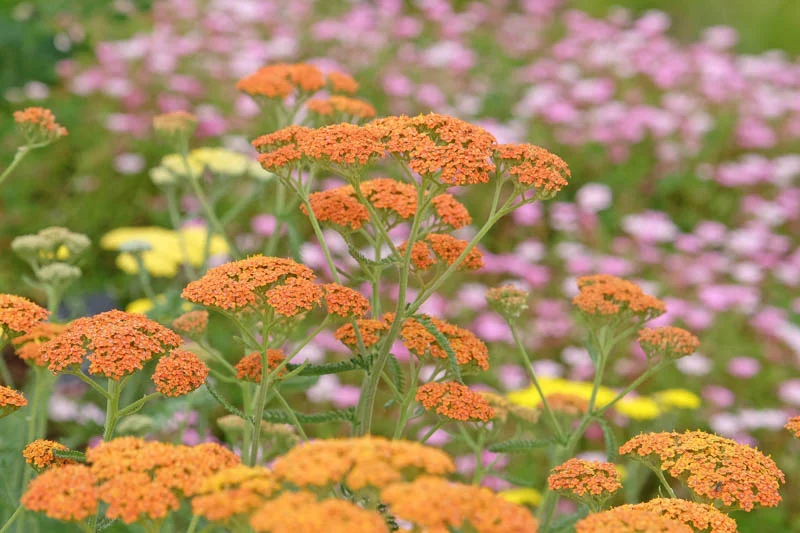
Drought-tolerant perennials like lavender, echinacea, and yarrow offer vibrant colors and textures without demanding much water. One gardener shared how planting echinacea along a sunny pathway transformed a previously bare area into a lively, colorful border that blooms year after year with minimal watering. The resilience of these perennials means less time spent replacing dead plants and more time enjoying floral displays.
Succulents and Cacti Choices
Succulents and cacti are the poster plants of low water landscaping. Their unique ability to store water in leaves or stems allows them to thrive in dry conditions. For instance, a homeowner converted their urban balcony into a lush succulent garden filled with jade plants, aloe vera, and barrel cacti, creating a green retreat with almost no watering required. These plants also bring architectural interest with their diverse shapes and shades.
Native Plants That Save Time and Water
Native plants are naturally adapted to your local climate, making them champions of survival with minimal irrigation. Choosing natives not only conserves water but also supports local wildlife like pollinators. A suburban family discovered that planting California poppies and manzanita shrubs attracted butterflies and birds, turning their backyard into a vibrant ecosystem that needed less intervention throughout the seasons.
Design Elements for Stress-Free Gardening
Using Mulch and Ground Covers
Mulch isn’t just a finishing touch; it’s a vital tool in reducing evaporation and keeping soil temperatures stable. Applying a thick layer of organic mulch around your plants can cut water needs significantly. Additionally, ground covers such as creeping thyme or sedum create a living blanket that suppresses weeds and locks in moisture, further reducing the garden’s overall water demand. One gardener swears by using mulch combined with ground covers to maintain lush soil without daily watering.
Incorporating Hardscaping Features
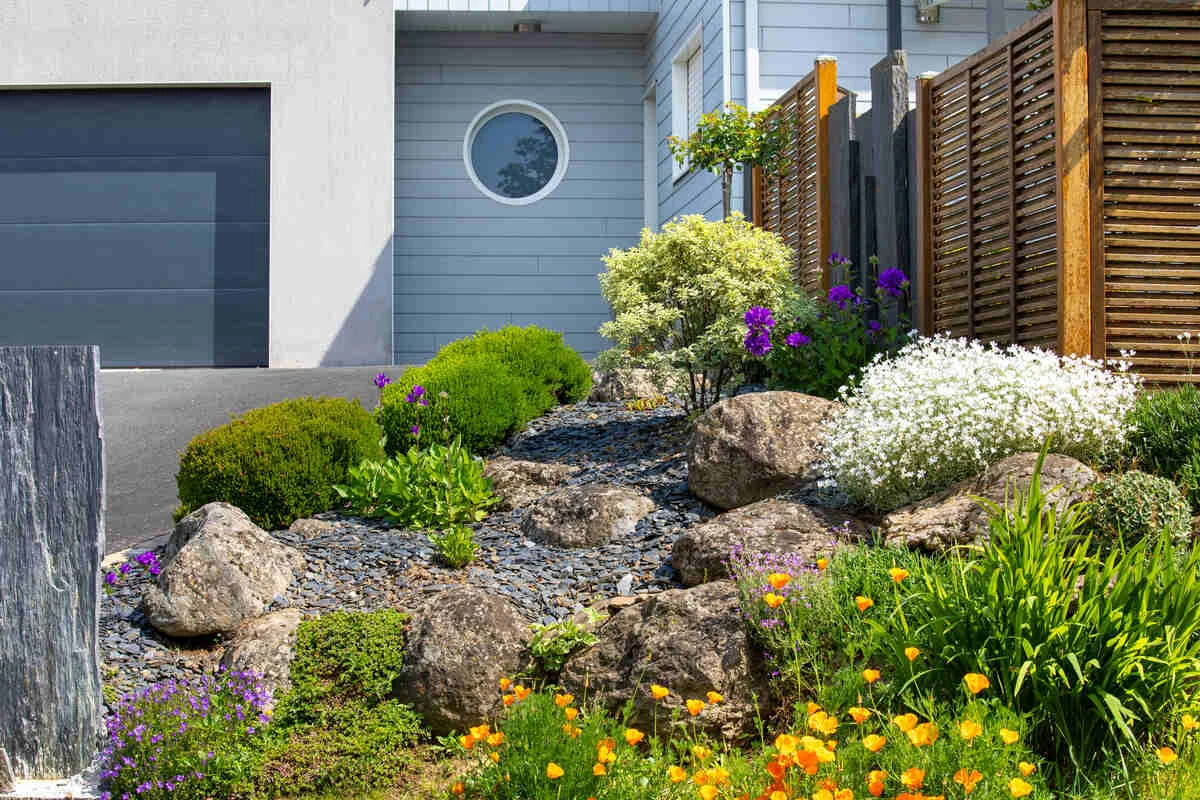
Hardscaping—such as gravel paths, stone patios, or decorative boulders—helps to define your garden’s look while cutting down on water-dependent areas. Installing a stone seating nook or a gravel bed reduces the area that requires regular care. A homeowner shared how adding a gravel meditation corner with drought-tolerant plants surrounding it transformed an overgrown yard into a tranquil, low-upkeep sanctuary.
Water-Efficient Irrigation Techniques
When watering is necessary, efficient methods can make a big difference. Drip irrigation systems deliver water directly to roots, minimizing waste and evaporation. Even simple techniques like watering in the early morning or late evening help plants absorb moisture better. Incorporating rain barrels or moisture sensors can further optimize water usage, letting your garden thrive without constant monitoring.
Maintenance Tips to Keep It Simple
Smart Watering Schedules
Avoid the temptation to water daily. Instead, adopt a schedule that encourages plants to develop deep roots by watering less frequently but more thoroughly. This approach not only conserves water but also strengthens plants against drought stress. For example, a gardener reported switching to twice-weekly watering improved plant health and reduced water bills.
Minimal Pruning and Monitoring
Choose plants that don’t require frequent pruning or pest control to keep your garden hassle-free. Observing your plants regularly but briefly allows you to catch any issues early without dedicating hours each week to maintenance. One busy professional schedules a ten-minute garden check every weekend, which keeps the garden tidy and thriving without overwhelming effort.
Case Studies: Successful Low Water Gardens
Urban Balcony Oasis
In a bustling city apartment, Sarah turned her tiny balcony into a verdant oasis with succulents, herbs, and small native shrubs. Using containers filled with well-draining soil and adorned with gravel mulch, she created a low water garden that requires little attention. Her secret was grouping plants with similar water needs and using a drip watering system timed for early mornings. Now, she enjoys a peaceful retreat without sacrificing her busy schedule.
Suburban Backyard Transformation
Mark and Emily transformed their suburban backyard, previously dominated by thirsty lawn grass, into a drought-resistant garden featuring lavender beds, native grasses, and a stone pathway. They incorporated rain barrels and a drip irrigation system, which cut their water use drastically. The couple shares how this change not only saved them time but also allowed them to spend weekends enjoying the garden instead of maintaining it, turning their outdoor space into a family gathering spot.


