
Introduction to Mindfulness Walks for Beginners
What Is a Mindfulness Walk?
Imagine stepping outside your door, not just to get from point A to point B, but to fully immerse yourself in the present moment. A mindfulness walk is exactly that—walking with full awareness of your surroundings, body, and thoughts without judgment. Unlike a typical stroll where the mind drifts to to-do lists or distractions, a mindfulness walk encourages you to notice the rhythm of your steps, the sensation of the breeze, or the sounds of birds nearby.
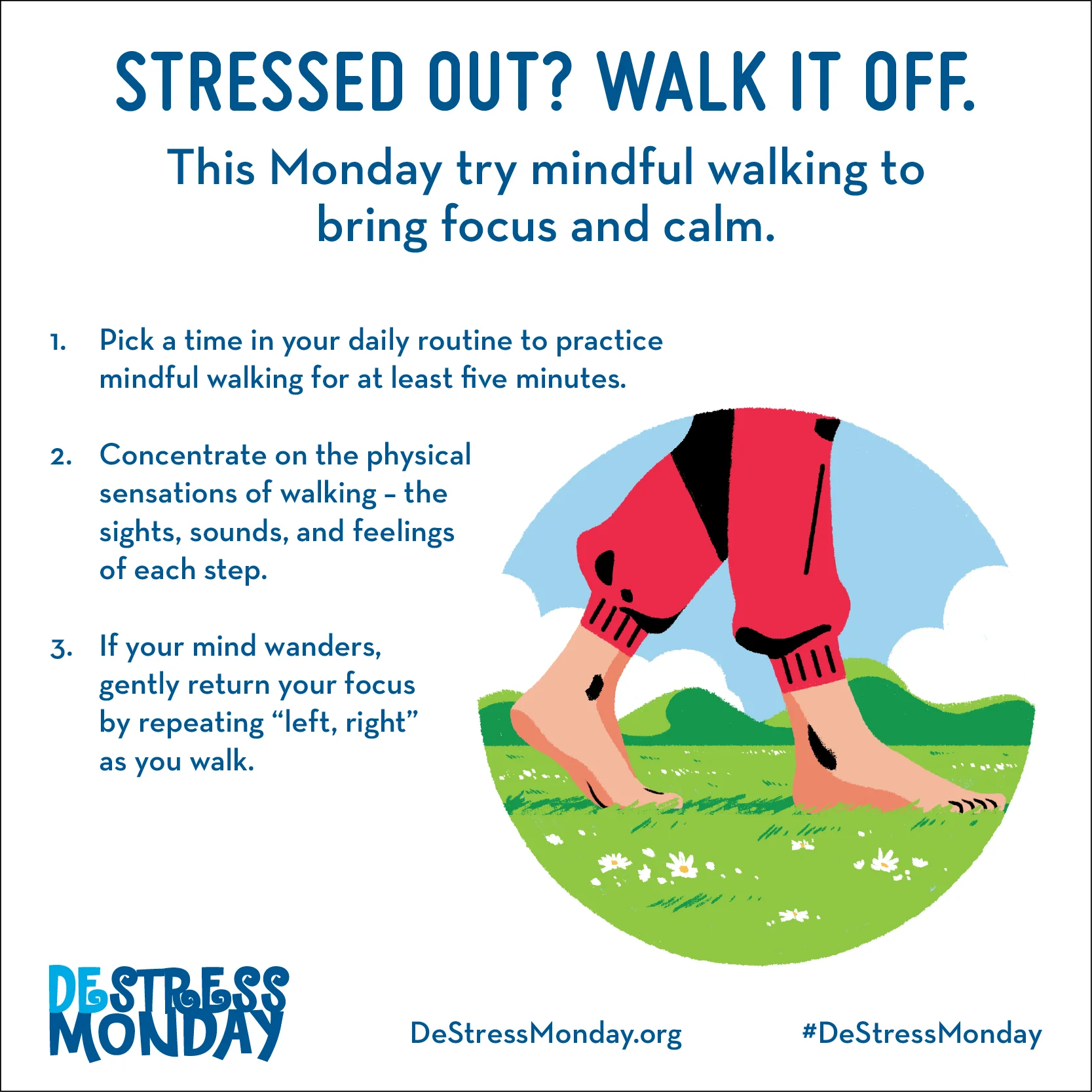
For example, Sarah, a busy professional, found that simply tuning into the crunch of leaves underfoot during her evening walks helped her break free from overwhelming thoughts and reconnect with a sense of calm she hadn’t felt in weeks.
Benefits of Mindfulness Walks on Mental Health
Mindfulness walks are a gentle but powerful tool to combat anxiety and stress. Scientific studies have shown that being present in nature while practicing mindfulness can reduce cortisol levels—the hormone linked to stress—and improve mood. Beyond that, these walks enhance self-awareness, helping individuals catch negative thought patterns early and let them pass.
Take John, who struggled with panic attacks triggered by work pressure. Incorporating mindfulness walks into his routine gave him a way to regain control and ground himself during moments of intense anxiety. The simple act of paying attention to his breath and surroundings transformed his approach to coping.
Preparing for Your First Mindfulness Walk
Choosing the Right Location and Time
Selecting the perfect spot and timing for your walk can significantly influence your experience. A quieter park, a tree-lined street, or a nature trail works well because these places naturally encourage presence by offering rich sensory input. Early mornings or late afternoons often provide a peaceful atmosphere when fewer people are around, and the weather tends to be comfortable.
Maria, a beginner, discovered that walking near a small lake during sunrise allowed her to hear water gently lapping against the shore—a natural focal point that anchored her attention deeply.
What to Wear and Bring
Dressing comfortably is key. Opt for breathable clothing and supportive shoes that allow you to walk without distraction. Bringing a small water bottle helps in staying hydrated, especially if you plan to walk for longer than 20 minutes. Some find it helpful to carry a journal or voice recorder to note thoughts or sensations afterward, enhancing their mindfulness practice.
In one instance, Mark realized his stiff shoes made him focus on foot pain rather than his surroundings, which led him to invest in cushioned walking shoes that improved his overall mindfulness.
Step-by-Step Guide to Practicing Mindfulness While Walking
Focusing on Your Breath and Body Sensations
Start your walk by tuning into your breath. Notice how it feels as air enters your nostrils and fills your lungs. As you begin to walk, pay attention to the sensations in your feet—how they touch the ground, the shifting weight from heel to toe. This focused awareness helps anchor you, preventing your mind from wandering.
Jessica recalls feeling overwhelmed by a noisy city street until she centered her attention on the rhythmic rise and fall of her chest. This simple focus helped transform a chaotic environment into a moment of calm.
Engaging Your Senses with the Environment
Allow your senses to come alive: notice the colors of the leaves, the fragrance of flowers, the warmth of sunlight on your skin, or even the distant hum of traffic. Instead of labeling these sensations as good or bad, observe them with curiosity. This sensory engagement pulls you deeper into the present.

Sandra found that paying attention to the rustling of leaves or the patterns of shadows on the pavement helped her stay present during her walks and softened her anxious thoughts.
Using Mantras and Positive Affirmations
Incorporating mantras or affirmations can also bolster mindfulness. Repeating gentle phrases like “I am here now” or “Peace flows with every step” can guide your mind back when distractions intrude. This technique adds a layer of intentionality, reminding you of your purpose.
When David struggled with persistent worries, silently repeating calming affirmations during his walks offered a reassuring anchor that eased his mental strain.
Common Challenges and How to Overcome Them
Dealing with Distracting Thoughts
It’s natural for the mind to wander during mindfulness walks. When distracting thoughts arise, acknowledge them without judgment and gently bring your attention back to your breath or sensations. Think of this like training a puppy—it will stray, but with patience and kindness, it learns.
Emily often found herself planning the day ahead while walking, only to realize and redirect her focus to the sounds around her, strengthening her mindfulness muscle over time.
Handling Uncomfortable Weather or Noise
Sometimes the weather or urban noises can disrupt your practice. Instead of avoiding these situations entirely, try to use them as mindfulness opportunities. Notice how raindrops feel on your skin or how city sounds rise and fall. Wearing appropriate gear like a rain jacket or headphones with calming sounds can also help maintain comfort without sacrificing presence.
For instance, Luis once felt frustrated by construction noise near his usual path. Instead of giving up, he shifted his focus to the texture of tree bark nearby and found a new source of calm amidst the chaos.
Integrating Mindfulness Walks Into Daily Routine
Setting Realistic Goals and Tracking Progress
Starting small increases the likelihood of sustaining a mindfulness walking habit. Aim for short walks, even five minutes, and gradually build up as you feel comfortable. Keeping a simple journal of your experiences or reflecting on how you feel afterward can motivate you to continue.
Anna set a goal to take a mindful walk three times a week. After a month, she noticed decreased anxiety and improved focus at work, which encouraged her to maintain the practice long-term.
Combining Mindfulness Walks with Other Relaxation Techniques
Mindfulness walks can complement other relaxation methods such as deep breathing exercises, meditation, or yoga. Integrating these can create a richer toolkit for managing stress. For example, after a calming yoga session, a mindfulness walk can deepen your sense of grounding as you transition back to daily activities.
David combined his mindfulness walks with evening meditation, finding that the two practices together enhanced his overall wellbeing more than either alone.


